
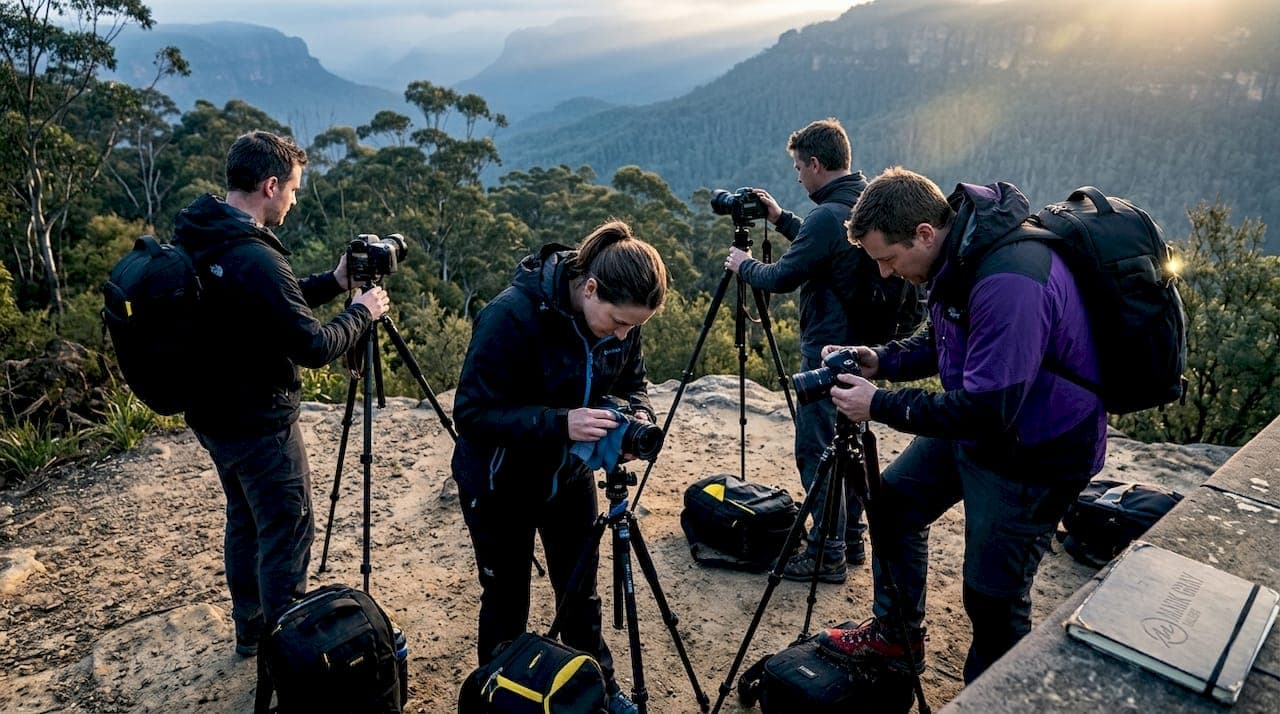
A Blue Mountains photography workshop is not a guided sightseeing tour with a camera in hand. It is a structured, skills-focused learning experience built around one of Australia's most photographically rewarding regions. Whether you are a beginner trying to understand exposure settings or an enthusiast ready to capture star trails above the Jamison Valley, these workshops deliver something a solo visit simply cannot: expert instruction paired with real locations at the right moment. This guide breaks down what to expect, what you will learn, and how to choose the experience that matches your goals.
Table of Contents
- Key takeaways
- What is a Blue Mountains photography workshop, really?
- Skills and techniques you will develop
- Regulations and practical rules to know
- Timing, weather, and the blue haze effect
- Choosing the right workshop for your goals
- My perspective after years in this landscape
- Experience the Blue Mountains through Mark Gray's workshops
- FAQ
Key takeaways
| Point | Details |
|---|---|
| Workshops go beyond sightseeing | Structured instruction covers technical skills, not just location access or scenic touring. |
| Multiple formats available | Options range from beginner landscape courses to specialized astrophotography and nightscape sessions. |
| Regulations matter | Drone use and professional equipment setups require permits in Blue Mountains National Park. |
| Timing drives results | Golden hour, mist, and seasonal weather conditions shape the quality of every shot you take. |
| Small groups mean better learning | Expert-led, small group formats allow personalized feedback and access to less crowded locations. |
What is a Blue Mountains photography workshop, really?
The term "Blue Mountains photography workshop" refers to any professionally led program that teaches photography skills using the Blue Mountains region of New South Wales as its classroom. Industry professionals more formally call these landscape photography workshop tours, a term that captures the dual nature of the experience: structured education combined with immersive fieldwork in iconic natural settings.
There are several distinct formats available, and understanding them helps you choose wisely.
- Beginner landscape workshops cover fundamentals like exposure, composition, and filter use across one or two days. These are ideal if you have a camera but lack confidence in manual settings.
- Multi-day landscape tours combine classroom sessions with field trips across multiple locations, often integrating training galleries at places like Mount Victoria alongside shoots at Hargraves Lookout and the Three Sisters.
- Nightscape and astrophotography workshops are a specialty of the Blue Mountains region. These typically run 3.5 hours, cost around $275 per person, and limit groups to 2 to 10 participants for quality instruction.
- Photography retreats extend over multiple days and often blend creative development with the physical experience of the landscape, including early morning shoots and late evening sessions.
Group sizes across most formats stay deliberately small. Small group tours facilitate hands-on learning and give participants access to unique, less crowded locations that larger tourist groups never reach.
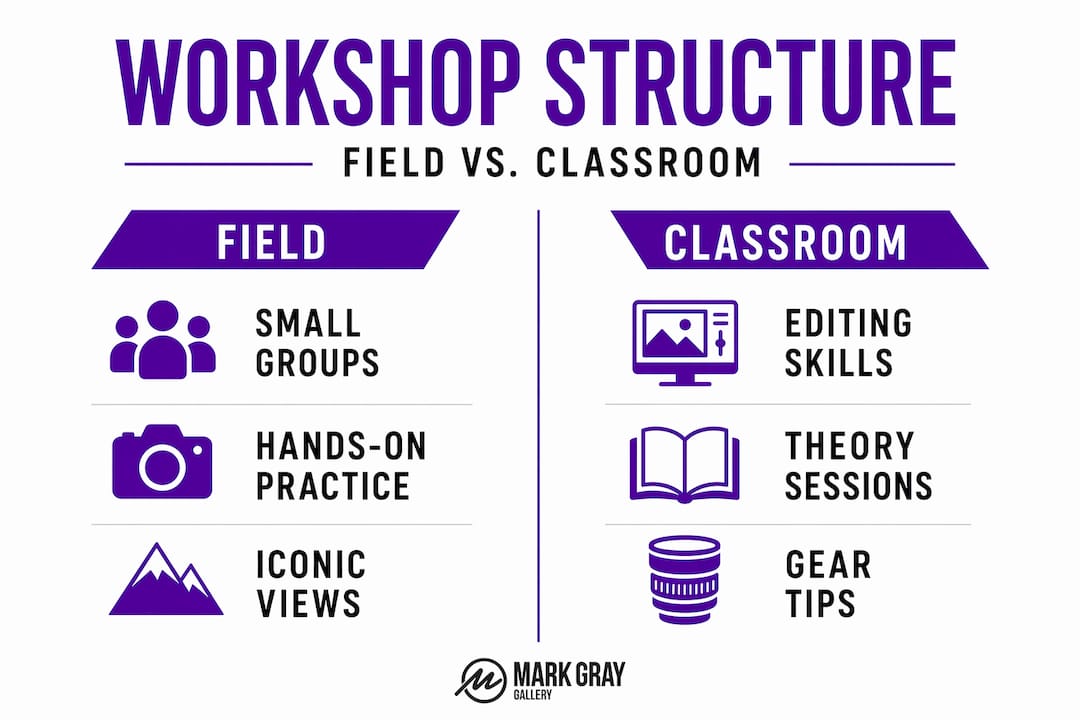
Pro Tip: Before booking, ask the workshop organizer how much time is spent in the field versus in a classroom setting. The best programs weight heavily toward on-location work, because that is where real skill development happens.
Skills and techniques you will develop
This is where landscape photography workshops in the Blue Mountains genuinely separate themselves from a casual day out with a camera. The skills taught are specific, practical, and directly transferable to your own photography practice.
Here is what a well-structured workshop typically covers:
-
Composition for dramatic landscapes. You learn to use foreground interest, leading lines, and the rule of thirds in ways that suit the Blue Mountains terrain specifically. The ridgelines, rock formations, and valley depth create unique compositional challenges that textbook examples rarely address.
-
Exposure and long exposure techniques. Skills covered include composition, long exposures, proper filter use, and adapting to dynamic light and weather. Neutral density filters, for example, let you create silky waterfall effects or smooth out moving mist in the valley below Echo Point.
-
Filter use and lens selection. Polarizing filters reduce glare on the foliage and deepen the contrast between the sandstone cliffs and sky. Graduated ND filters manage the brightness difference between a bright sky and a darker valley floor.
-
Astrophotography and star trail techniques. Specialized nightscape sessions teach star trails, low-light camera settings, laser-guided astronomy orientation, and how the sky moves over time for optimal framing. You learn specific ISO, aperture, and shutter speed combinations that work in near-darkness without introducing excessive noise.
-
Reading and responding to natural light. Perhaps the most underrated skill. Instructors teach you to anticipate how light shifts during golden hour and how mist changes the mood and depth of a scene.
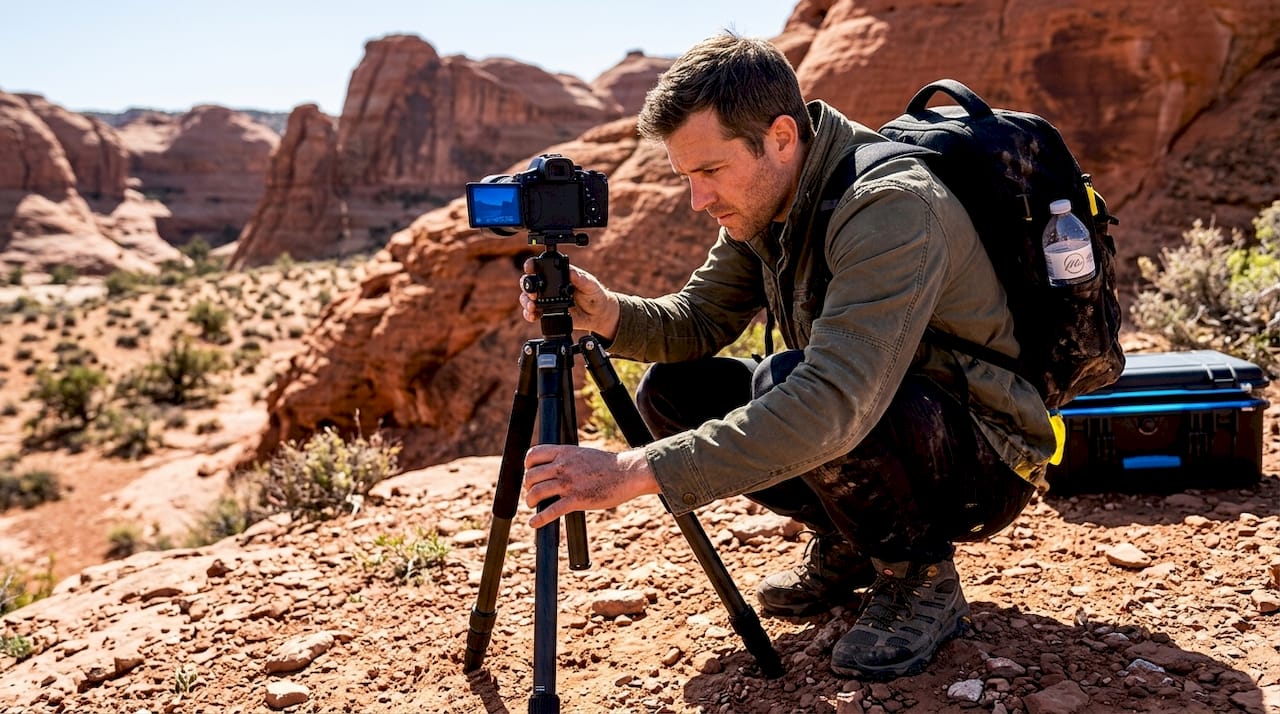
Pro Tip: Bring a tripod that can handle uneven, rocky surfaces. A lightweight travel tripod that works in a studio will frustrate you on exposed cliff edges and forest tracks.
The theory-to-practice balance matters here. Photography workshops here differ fundamentally from urban workshops by requiring physical endurance, nocturnal fieldwork, and respect for strict environmental rules. The learning experience is genuinely unique because the environment demands it.
Regulations and practical rules to know
This section surprises many first-time workshop participants. The Blue Mountains is a UNESCO World Heritage Area, and photography within it carries real responsibilities.
- Drone use is restricted. Drone use is often restricted, and professional equipment may require written authorization in some zones. Your workshop organizer should handle permit applications, but confirm this before you arrive.
- Tripods and professional setups at public lookouts require awareness of visitor flow and barrier rules. Photography rules vary at sites like the Three Sisters, where tripods and drones may require permits.
- Heritage site conduct. The Three Sisters and surrounding Katoomba area hold deep cultural significance for the Gundungurra and Darug peoples. Stepping beyond marked paths or barriers is not just a safety issue. It is a legal one.
- Night shoot safety. Nightscape workshops involve hiking with equipment across rugged terrain in low light and cold conditions. Headlamps, layered clothing, and sturdy footwear are required, not optional.
| Situation | What applies |
|---|---|
| Drone photography | Permit required; restricted in many national park zones |
| Tripod at public lookout | Generally allowed; check site-specific rules |
| Professional commercial shoot | Written authorization typically required |
| Night hiking for astrophotography | Physical fitness and proper gear mandatory |
| Access beyond barriers | Prohibited; legal and cultural consequences apply |
Reputable workshop providers build regulatory compliance into their programs. If a workshop does not address this at the briefing stage, that is a warning sign worth taking seriously.
Timing, weather, and the blue haze effect
The Blue Mountains' visual identity rests on one atmospheric phenomenon: a fine blue haze created by microscopic eucalyptus oil droplets released from the dense forest canopy below. This is not something you can manufacture with a filter or fix in post-processing. You need to be there at the right time.
The blue haze depends heavily on timing and weather, particularly mist in the Jamison Valley and golden-hour light. Capturing it requires understanding specific filter techniques and meticulous planning around weather patterns. Showing up at Echo Point on a clear midday in summer will produce a competent photograph. Arriving at Hargraves Lookout as fog lifts from the valley at 6:30 a.m. in autumn will produce something extraordinary.
| Season | Conditions | Photography opportunities |
|---|---|---|
| Autumn (March to May) | Morning mist, cool light | Valley fog, layered ridgelines, warm tones |
| Winter (June to August) | Low cloud, frost | Dramatic moody skies, frost on rock faces |
| Spring (September to November) | Variable, frequent rain | Waterfalls at peak flow, lush greenery |
| Summer (December to February) | Hazy heat, afternoon storms | Storm light, electric skies, wildflower color |
The iconic visual appeal relies on precise timing more than location alone. Experienced workshop instructors plan shoot windows around forecast conditions, not fixed itineraries. That flexibility is something you simply cannot replicate on a solo visit without experience.
Pro Tip: Check the Bureau of Meteorology's mountain forecast, not the general Sydney forecast. Conditions in Katoomba and Mount Victoria can differ dramatically from the coast just 90 kilometers away.
Choosing the right workshop for your goals
Selecting a Blue Mountains photography retreat or course comes down to four honest questions: What is your current skill level? What kind of photography interests you most? How much physical activity are you comfortable with? And what does your budget allow?
Here is a practical checklist to guide your decision:
- Skill level match. A beginner photography workshop should explicitly state it covers manual camera settings from the ground up. If the course description assumes you already understand histograms, it is not truly beginner-level.
- Instructor credentials. Look for instructors with published work, competition recognition, or a track record of professional exhibition. A workshop led by an award-winning photographer brings a level of craft and context that general photography classes cannot replicate.
- Group size. Smaller is better. Groups of six or fewer allow the instructor to review your shots in real time and adjust your technique on the spot. Once groups exceed twelve, individual feedback becomes superficial.
- Schedule structure. The best programs balance morning golden-hour shoots with afternoon debrief sessions, reviewing what worked and why. This reflection cycle accelerates learning faster than continuous shooting alone.
- What to bring. A DSLR or mirrorless camera with manual controls, a sturdy tripod, spare batteries (cold weather drains them fast), a wide-angle lens, and weather-appropriate layers. Most professional photography courses provide filter sets for use during the workshop.
For a broader view of workshop options across Australia, it helps to compare regional programs before committing to a specific format. Understanding what workshop tours entail in terms of structure also prepares you to ask the right questions when you contact an organizer.
My perspective after years in this landscape
I have spent more time in the Blue Mountains than I can count, and I want to be direct about something. The biggest mistake I see prospective workshop participants make is underestimating the physical side of these experiences. People see images of the Three Sisters and imagine standing on a paved platform with a camera. The reality is that the most rewarding shots come from locations that require a genuine hike, sometimes in the dark, sometimes in the cold, always with gear on your back.
That said, the rewards are unlike anything I have experienced in urban or studio photography. When mist rolls through the Jamison Valley at dawn and the light turns gold on the sandstone cliffs, every technical decision you have practiced snaps into focus. You stop thinking about settings and start making photographs.
My advice for beginners: do not wait until you feel "ready." A well-run workshop meets you at your level. I have seen participants with no prior camera experience produce genuinely outstanding images by day two, purely because the environment is so responsive to effort and attention. The skills developed in landscape photography courses accelerate faster in immersive field conditions than in any classroom setting.
For experienced photographers, the Blue Mountains still has the capacity to humble you. The light changes faster than you expect, the mist disappears before you are ready, and the best moments rarely announce themselves in advance. That unpredictability is exactly what makes this region worth returning to.
— Mark
Experience the Blue Mountains through Mark Gray's workshops
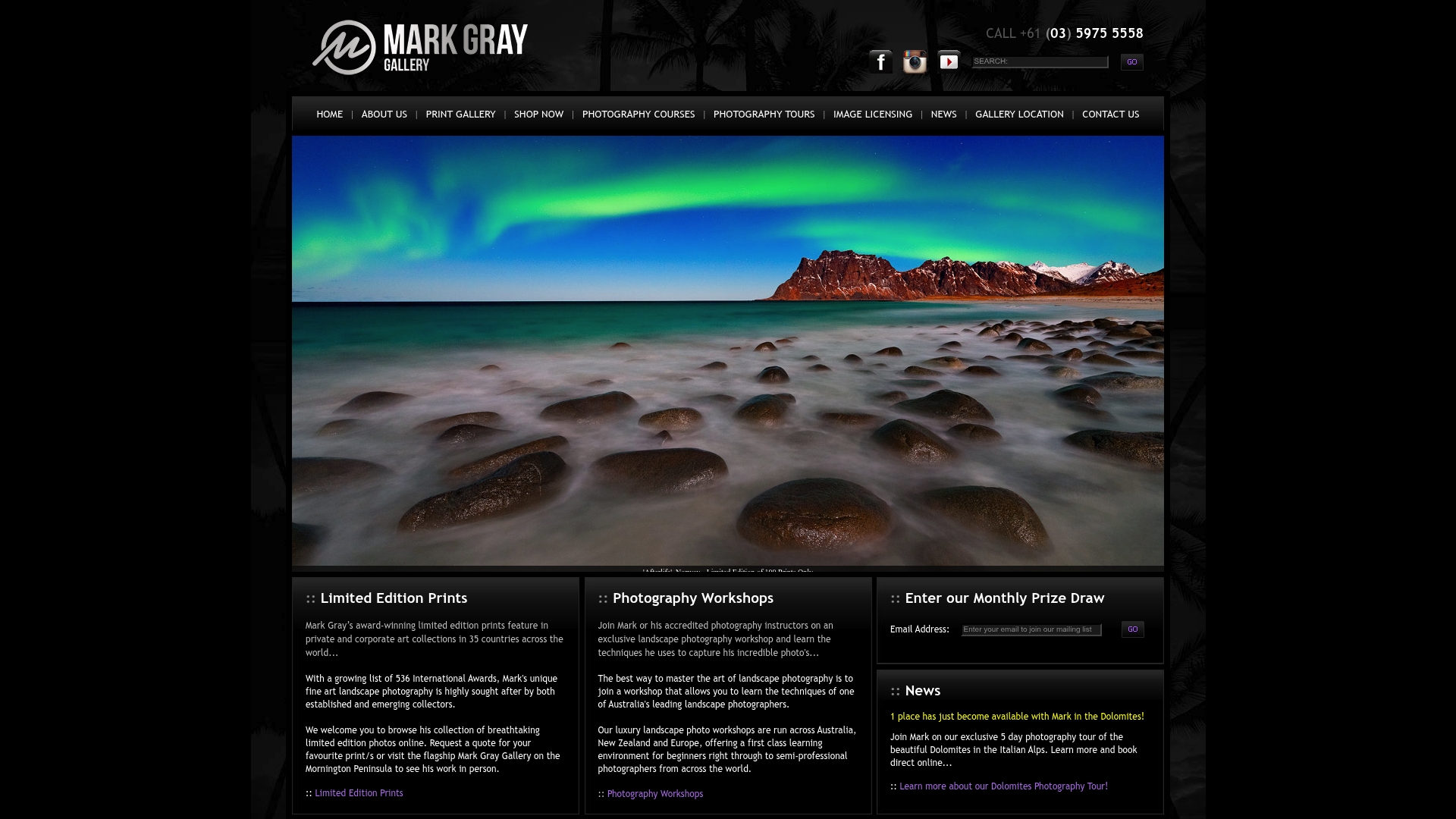
Mark Gray is an internationally recognized Australian landscape photographer whose work spans Australia, Iceland, Norway, French Polynesia, and beyond. Through the Mark Gray Gallery, you can book one-day photography courses and multi-day landscape photography workshop tours led by an award-winning professional who has photographed the Blue Mountains across every season and condition. Workshops are designed for small groups, structured around real field shooting, and tailored to participants from beginner to experienced levels. Whether you are after a single-day Blue Mountains photo tour or a multi-day retreat that takes you deep into the landscape, Mark's programs deliver the kind of instruction that changes how you see and photograph the natural world.
FAQ
What is included in a typical Blue Mountains photography workshop?
Most workshops include field sessions at iconic and lesser-known locations, technical instruction on composition and exposure, and post-shoot review. Some include classroom sessions at purpose-built training spaces like Mount Victoria.
Do I need professional camera gear to join a beginner photography workshop?
A DSLR or mirrorless camera with manual mode is sufficient. Most beginner photography workshops provide guidance on using the gear you already own rather than requiring specific professional equipment.
Are drones allowed during photography workshops in Blue Mountains?
Drone use is often restricted in Blue Mountains National Park, and professional setups may require written permits. Always confirm with your workshop organizer before bringing a drone.
How long do Blue Mountains astrophotography workshops run?
Specialized nightscape workshops typically run 3.5 hours, with group sizes limited to 2 to 10 participants to maintain instruction quality during night sessions.
What is the best time of year to learn photography in Blue Mountains?
Autumn and winter offer the most dramatic conditions, with morning mist, layered ridgelines, and moody light that showcases the region's blue haze at its most striking.