
Australian nature photography is defined by its power to transform raw wilderness into cultural memory, and no image proves this more forcefully than Max Dupain's Sunbaker, shot at Culburra Beach in 1937 and now recognized as Australia's most reproduced photograph. The continent offers an extraordinary range of subjects: ancient desert formations, the world's largest coral system, and endangered marsupials found nowhere else on Earth. The examples of iconic Australian nature photography collected here span landscape, wildlife, and conservation photography, each chosen for its cultural weight, technical achievement, and power to inspire travelers and photographers alike. Understanding what makes these images iconic is the first step toward creating your own.
1. What are key examples of iconic Australian nature photography?
Iconic Australian nature photography earns that status through three converging forces: a subject of genuine rarity or scale, a moment of precise timing, and the kind of public exposure that burns an image into collective memory. Max Dupain's Sunbaker demonstrates all three. Its resurgence in the 1970s transformed a technically brilliant beach portrait into a national symbol, proving that an image becomes iconic not only at the moment of capture but when it reaches the right audience at the right cultural moment.
The following subjects and images represent the strongest examples of iconic nature photography from Australia:
- Max Dupain's Sunbaker (1937): A single figure face-down on Culburra Beach, shot in stark black and white. Its simplicity is deceptive. The image captures the Australian relationship with sun, sea, and physical ease with an authority no color photograph has matched.
- Great Barrier Reef aerial and underwater photography: The world's largest coral accumulation, stretching 2,000 km off Queensland, produces images of impossible color and scale. Aerial shots reveal the reef's geometry; underwater photography captures its biological density.
- Royal National Park platypus imagery: The reintroduction project in the Hacking River has produced at least 20 monitored platypuses as of May 2026, creating rare opportunities to photograph one of Australia's most elusive mammals in a managed, accessible setting.
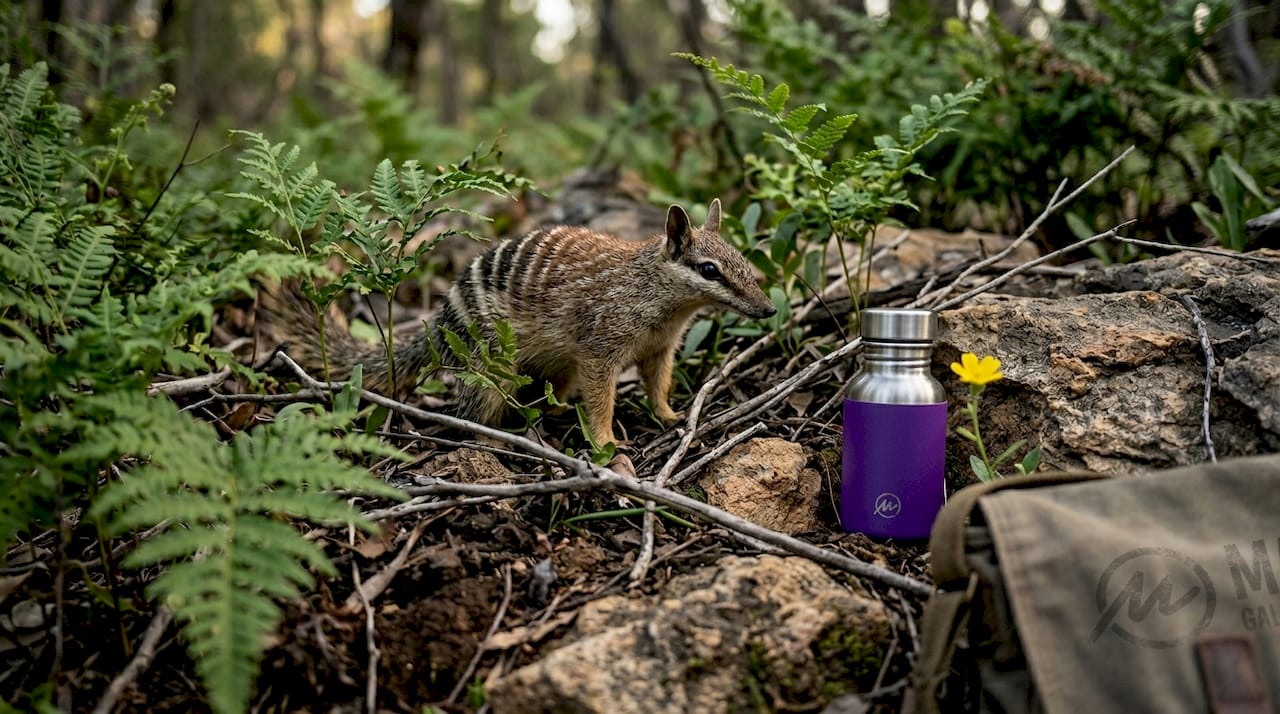
- Lyn Alcock's numbat portraits from Dryandra Woodland: Alcock has documented numbats for 20 years, capturing behaviors that most wildlife photographers never witness. Her work stands as the definitive photographic record of this endangered marsupial.
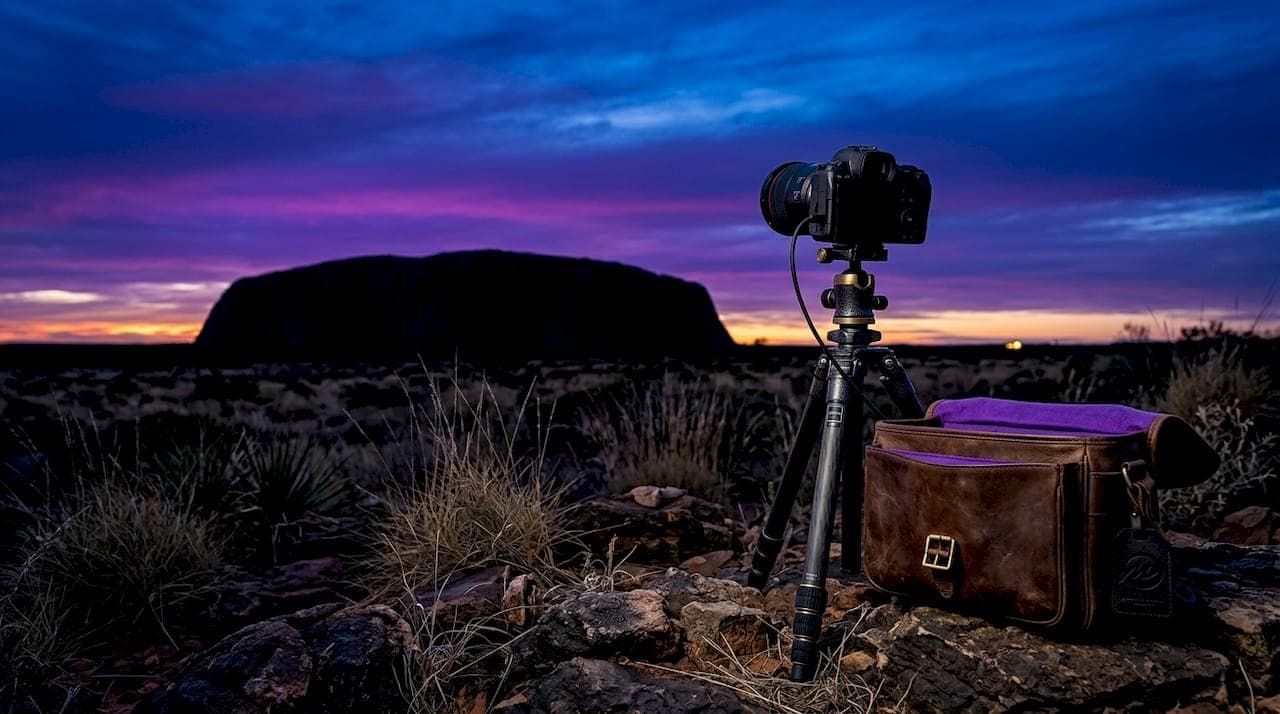
- Uluru at dawn and dusk: The sandstone monolith in the Northern Territory shifts through red, orange, and violet as light changes. These images have become synonymous with the Australian Outback and appear in galleries and publications worldwide.
Pro Tip: When researching iconic Australian photography subjects, study the conditions under which the original images were made. Dupain shot in harsh midday light, which most photographers avoid. That deliberate choice is what made the image extraordinary.
2. How do photography techniques and conditions shape iconic Australian nature photos?
The technique behind a great Australian nature photograph is inseparable from the environment it was made in. Australia's light is famously intense, and that intensity rewards photographers who understand how to use it rather than fight it.
Lighting and landscape
Uluru and the surrounding Outback reward photographers who arrive before sunrise. The low-angle light at dawn creates long shadows across rock surfaces, revealing texture that flat midday light destroys. The Great Barrier Reef presents the opposite challenge: underwater photography requires artificial lighting or shooting in the narrow window when sunlight penetrates the water column at the right angle. For an in-depth look at how weather shapes your shots, the environmental variables involved go well beyond simply checking a forecast.
Wildlife approach strategies
Photographing skittish species demands a fundamentally different mindset than landscape work. Numbats, for example, are small, fast, and acutely sensitive to sound and movement. Effective numbat photography requires extreme patience, silence, and the complete elimination of sudden movements. Lyn Alcock's 20-year practice in Dryandra Woodland is the clearest proof that consistency and restraint produce results that a single rushed visit never will.
Key technique considerations for Australian wildlife and landscape photography:
- Aerial perspective: Aerial views of the reef reveal continuous coral structures and coastal lagoon patterns invisible from the water's surface. Drone photography has made this approach accessible to non-commercial photographers.
- Conservation timing: Staged release schedules at sites like Royal National Park directly affect when platypuses are observable. Coordinating your visit with monitoring programs dramatically improves your chances.
- Seasonal conditions: The wet season in northern Australia produces dramatic storm light and flooded landscapes. The dry season opens access to remote locations but reduces the atmospheric drama that makes images memorable.
Pro Tip: For Australian wildlife photography, arrive at your location at least 90 minutes before the animal's peak activity window and stay completely still for the first 20 minutes. Animals habituate to a stationary presence far faster than to one that keeps adjusting position.
3. Where are the best Australian locations for iconic nature photography?
Australia's most photographed natural locations share one quality: they offer subjects that exist nowhere else on Earth. The table below maps the key sites to their primary photographic subjects and optimal shooting conditions.
| Location | Primary subject | Best time to shoot |
|---|---|---|
| Culburra Beach, NSW | Coastal light, beach scenes | Early morning, summer |
| Great Barrier Reef, QLD | Coral formations, marine life | April to November (dry season) |
| Royal National Park, NSW | Platypus, waterways, forest | Dawn, post-release monitoring periods |
| Dryandra Woodland, WA | Numbats, woodland fauna | Morning, April to October |
| Uluru, NT | Desert monolith, Outback light | Dawn and dusk year-round |
| Blue Mountains, NSW | Sandstone escarpments, mist | Early morning after rain |
Culburra Beach and the Sunbaker legacy
Culburra Beach on the New South Wales South Coast is where Dupain made his defining image. The beach itself is unremarkable by Australian standards, which is precisely the point. The location teaches photographers that iconic images are made through vision and timing, not by finding the most spectacular setting. The South Coast story behind the Sunbaker is a reminder that cultural weight accumulates over decades, not days.
Dryandra Woodland and numbat territory
Dryandra Woodland in Western Australia is the most significant site for numbat photography in the country. The woodland's open eucalypt structure allows long sight lines, which matters when you are tracking a small, fast-moving animal. Access is straightforward, but success depends entirely on patience and preparation. Alcock's multi-decade commitment to this single location produced images that no fly-in photographer has replicated.
For photographers planning road-based exploration of Australia's natural landmarks, the best scenic drives photography guide covers routes that connect several of these iconic locations efficiently.
4. How does iconic nature photography influence travel and conservation?
Iconic nature photographs do not simply document places. They create demand for them. The Great Barrier Reef's status as a global travel destination is inseparable from decades of extraordinary photography that communicated its scale and color to audiences who had never seen a coral reef. Images drive itineraries, and itineraries drive conservation funding.
The Royal National Park platypus project illustrates this connection with unusual clarity. Wildlife photography tied to conservation programs generates public interest that translates directly into support for ecological management. When photographs of reintroduced platypuses circulate through media and social platforms, they make abstract conservation statistics tangible. A photograph of a platypus in the Hacking River tells a story that a population recovery report cannot.
"Photography is the most democratic form of conservation advocacy. A single image, shared widely, can shift public opinion toward protecting a species or a place more effectively than years of policy work."
Lyn Alcock's numbat photography operates on the same principle. Her images of rare marsupial behavior in Dryandra Woodland have contributed to public awareness of a species that most Australians have never seen in the wild. Photography that documents endangered species creates a visual record that outlasts the animals themselves, and that record becomes a powerful argument for protection. The connection between the camera and the cause is direct, and the best Australian nature photographers understand it.
Key takeaways
Iconic Australian nature photography combines rare subjects, precise timing, and cultural exposure to create images that outlast the moment of capture.
| Point | Details |
|---|---|
| Timing determines iconic status | Max Dupain's Sunbaker became iconic through its 1970s resurgence, not its 1937 creation. |
| Subject rarity drives impact | Numbats, platypuses, and the Great Barrier Reef are irreplaceable subjects found nowhere else. |
| Technique must match environment | Aerial photography suits the reef; extreme patience and silence suit shy wildlife like numbats. |
| Conservation timing matters | Coordinating shoots with platypus release schedules in Royal National Park improves results. |
| Photography advances conservation | Widely shared wildlife images build public support for ecological protection programs. |
Why patience is the most underrated skill in Australian nature photography
Most photographers who visit Australia for the first time make the same mistake: they move too fast. They spend two days at Uluru, one morning at the reef, and a single afternoon in a national park. They return with technically competent images that look like every other technically competent image from those locations. The photographs that become iconic are made by people who stayed.
I have spent years returning to the same Australian locations across different seasons, different weather systems, and different times of day. The images I am most proud of came from visits where nothing happened for hours, and then everything happened at once. That is not luck. That is the result of being present long enough for the location to reveal itself.
The other thing most photographers underestimate is the physical and ethical discipline required for wildlife work. Approaching a numbat or waiting for a platypus to surface is not passive. It requires active control of your breathing, your movement, and your instinct to raise the camera the moment you see the animal. The camera comes up too early and the animal is gone. You learn this by getting it wrong, repeatedly, until the timing becomes instinctive.
Australia's natural environments are also genuinely remote in ways that demand preparation. Carrying the right gear, understanding the weather patterns of a specific region, and knowing when to abandon a shoot for safety reasons are skills that no photography course teaches directly. They come from experience, and they are the difference between a photographer who visits iconic locations and one who creates iconic images from them.
— Mark
Explore award-winning Australian nature photography with Mark Gray
If these examples have deepened your appreciation for what Australian nature photography can achieve, the next step is seeing that standard applied at the highest professional level.
Mark Gray's award-winning landscape photography portfolio features limited edition prints from Australia's most celebrated natural locations, including the Outback, coastal regions, and national parks. Each print is produced to museum quality and available as a fine art addition to any collection. For photographers who want to develop their own skills in the field, Mark offers photography workshops across Australia covering landscape and nature subjects at locations that define the country's visual identity. Whether you are building a collection or building your craft, the work and the workshops offer a direct path forward.
FAQ
What makes a nature photograph iconic in Australia?
An iconic Australian nature photograph combines a subject of genuine rarity or cultural significance with precise timing and broad public exposure. Max Dupain's Sunbaker is the clearest example, gaining its iconic status through a 1970s resurgence decades after it was shot.
What are the top subjects for Australian wildlife photography?
The most celebrated subjects in Australian wildlife photography include platypuses, numbats, kangaroos, and marine life on the Great Barrier Reef. Numbats in Dryandra Woodland and platypuses in Royal National Park offer particularly rare photographic opportunities tied to active conservation programs.
When is the best time to photograph the Great Barrier Reef?
The dry season from April to November offers the clearest water visibility and most stable conditions for both aerial and underwater reef photography. The reef stretches 2,000 km off Queensland, so conditions vary significantly by location along its length.
How do you photograph shy Australian wildlife like numbats?
Photographing numbats requires extreme patience, complete silence, and the elimination of sudden movements. Arriving early, staying stationary, and allowing animals to habituate to your presence are the core techniques, as demonstrated by Lyn Alcock's 20-year practice in Dryandra Woodland.
Does conservation work affect wildlife photography opportunities?
Conservation programs directly shape photography opportunities. The Royal National Park platypus project stages gradual releases, meaning coordinating with release schedules significantly increases the probability of observing and photographing these animals in the wild.