
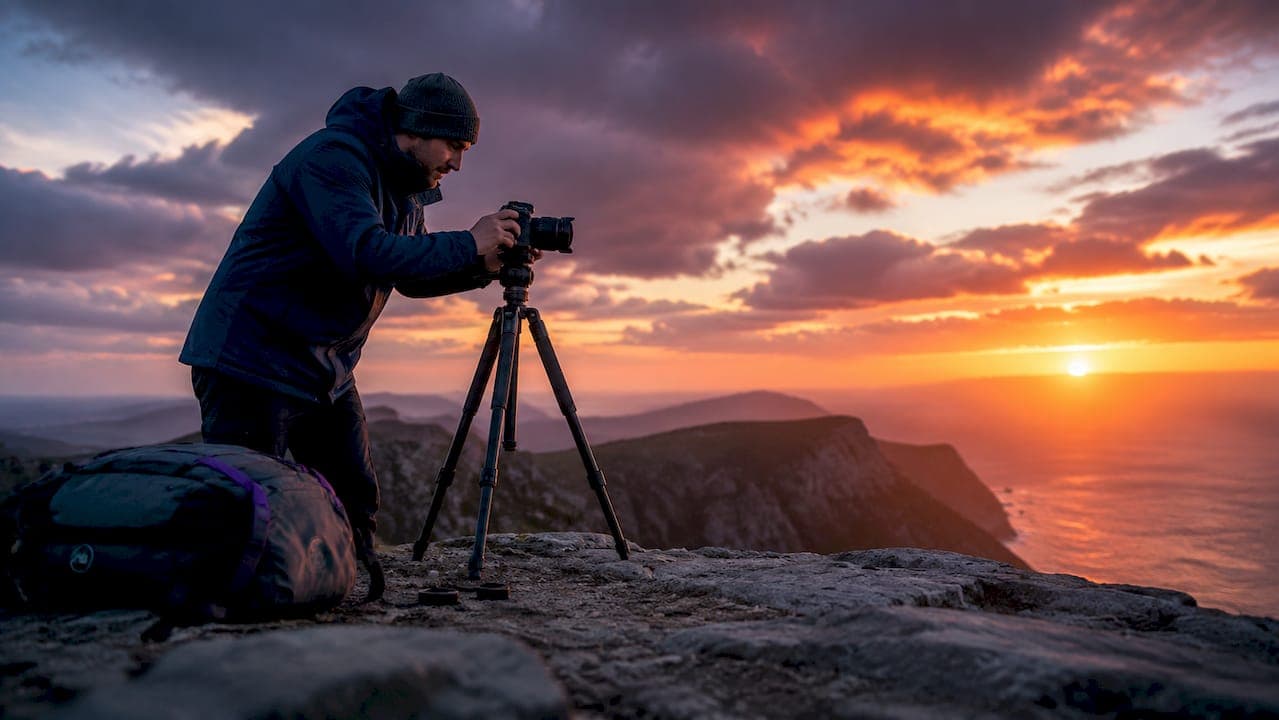
A landscape photography composition checklist is a curated set of principles and techniques that help photographers structure scenes for maximum visual impact. The best checklist combines foundational rules like the rule of thirds and leading lines with advanced methods like natural framing and the golden ratio. Composition is the single greatest factor separating a forgettable snapshot from a print-worthy image. This guide covers every item you need, from core principles to gear settings, so you can apply them confidently in the field.
1. What belongs on your landscape photography composition checklist?
Strong composition starts with a clear framework. The rule of thirds remains the foundational principle for landscape composition in 2026, guiding placement of horizons and subjects away from center to create balanced, visually engaging images. Activating the 3x3 grid on your camera places horizons on the upper or lower third and positions key subjects on intersection points, creating natural visual tension.
The three-layer framework is equally critical. Professional landscape photographers build images with foreground, middle ground, and background layers to create depth and invite the viewer into the scene. A textured rock formation or a tide pool in the foreground separates a great image from a merely acceptable one.
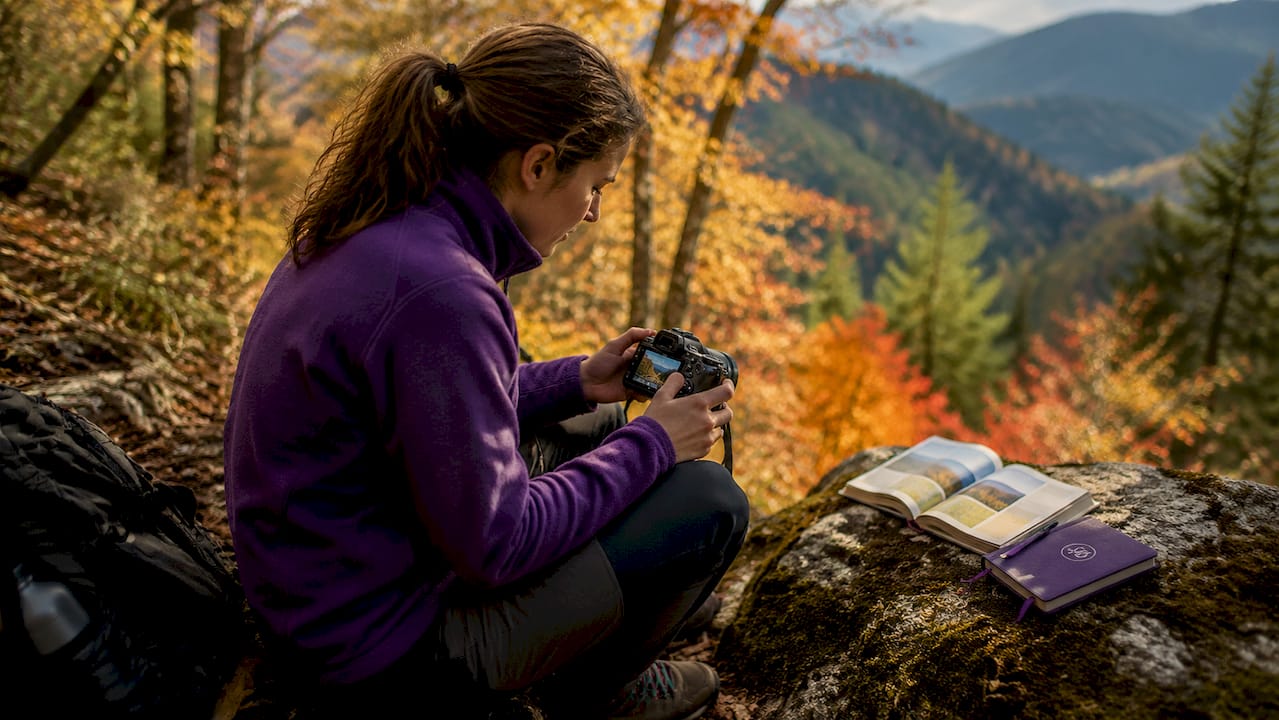
Leading lines direct the viewer's eye through the frame. Rivers, roads, fences, and shadow lines all qualify, and the strongest lines start near the bottom corners of the frame, pulling attention toward the main subject or horizon. Implied lines, like a row of trees or a shoreline curve, work just as effectively.
Core checklist items to verify before every shot:
- Rule of thirds grid active on your camera display
- Horizon placed on upper or lower third (or centered for reflections)
- At least one strong foreground element in the frame
- A clear leading line entering from the bottom or corners
- Three distinct layers: foreground, middle ground, background
- A single, clear subject or focal point
Pro Tip: Crouch low to exaggerate foreground elements. Even a 12-inch drop in camera height can transform a flat scene into one with genuine depth.
2. How can advanced techniques strengthen your composition?
Once the basics are locked in, advanced composition techniques give your images a distinct visual voice. Natural framing elements like tree branches, rock arches, or cave openings focus attention on the main subject and reduce visual chaos in the frame. They also add a sense of depth by acting as a compositional layer in front of the primary scene.
Symmetry and reflections reward a centered horizon. Still water on a lake or a wet beach at low tide creates a mirror effect that justifies placing the horizon dead center, a deliberate break from the rule of thirds that carries real visual weight.
"Composition rules are guidelines that help photographers work with how human eyes perceive images. Breaking rules strategically requires mastery of the basics first."
S-curves and meandering lines add flow that straight leading lines cannot. A winding river or a curved path through a field carries the eye through the entire frame rather than pointing it directly at one spot. Negative space, such as a vast empty sky above a lone tree, emphasizes mood and isolates the subject with striking clarity.
Advanced checklist items to consider:
- Natural framing element in the foreground or mid-frame
- S-curve or meandering line for visual flow
- Symmetry or reflection with a centered horizon
- Negative space used deliberately to isolate the subject
- A scale reference (person, boat, or animal) to convey vastness
- Shooting height adjusted to change perspective and visual weight
3. What gear and settings support your composition goals?
Gear choices directly affect your ability to execute composition decisions in the field. A tripod is non-negotiable for slow shutter speeds and for making precise framing adjustments without camera shake. Camera settings for landscapes commonly include aperture f/8–f/11, ISO 100–400, and a shutter speed adjusted for available light and subject movement.
Aperture selection deserves particular attention. Stopping down beyond f/16 causes diffraction softening, which reduces overall image sharpness. Staying in the f/8–f/11 range and using hyperfocal distance focusing or focus stacking delivers sharpness across all three compositional layers without quality loss.
Wide-angle lenses enhance foreground prominence, but camera leveling becomes critical to avoid distorting vertical elements like trees and cliff faces near the frame edges. Distorted verticals are difficult to correct in post-processing without cropping away part of your composition.
| Gear Item | Composition Benefit | Recommended Spec |
|---|---|---|
| Tripod | Precise framing and stability | Carbon fiber for field use |
| Wide-angle lens | Foreground emphasis and spatial depth | 16–24mm full frame equivalent |
| Circular polarizer | Reduces glare, deepens sky color | 77mm or matched to lens |
| Neutral density filter | Enables slow shutter for motion blur | 6-stop or 10-stop ND |
| Graduated ND filter | Balances bright sky with darker ground | 2-stop or 3-stop soft grad |
Gear checklist for the field:
- Tripod set up and head leveled before composing
- Grid overlay or electronic level activated in camera
- Wide-angle lens attached for foreground-heavy scenes
- Circular polarizer fitted when shooting water or sky
- ND filter ready for long-exposure compositions
- Hyperfocal distance calculated or focus stacking planned
Pro Tip: Use your camera's live view with the electronic level to check both horizontal and vertical alignment before every shot. A tilted horizon is the most common and most avoidable composition error.
4. How do light and timing affect composition decisions?
Light is not just a technical variable. It is a compositional tool. Golden hour and blue hour lighting are the most effective conditions for landscape composition, revealing textures and shaping shadows that define structure across all three layers of the frame. Soft, directional low-angle light enhances depth and adds interest to foreground elements that flat midday light would render invisible.
Timing and quality of natural light dramatically affect compositional impact, which is why timing belongs inside any effective composition checklist, not treated as a separate concern. The direction of light also determines which compositional elements become prominent. Side lighting rakes across textured rocks and sand, making them pop. Front lighting flattens them.
Planning and scouting are what separate photographers who get the shot from those who miss it. Visiting a location before your shoot lets you identify leading lines, foreground elements, and framing opportunities while the light is neutral. You return at golden hour knowing exactly where to stand.
Light and timing checklist items:
- Shoot scheduled for golden hour (first hour after sunrise or last hour before sunset)
- Blue hour planned for moody, even light with rich color
- Light direction assessed: side, front, or back lighting
- Location scouted in advance to identify composition opportunities
- Weather checked for cloud cover, mist, or dramatic skies
- Apps like PhotoPills or The Photographer's Ephemeris used to track sun and moon position
For a deeper look at how light conditions shape your landscape photography timing, the Mark Gray Gallery blog covers the full range of conditions across Australia and beyond.
Key takeaways
Strong landscape composition requires deliberate decisions across every element of the frame, from foreground interest and leading lines to light timing and aperture selection.
| Point | Details |
|---|---|
| Rule of thirds is the foundation | Place horizons and subjects on grid intersections to create natural visual tension. |
| Three-layer depth is non-negotiable | Foreground, middle ground, and background layers separate great images from ordinary ones. |
| Aperture f/8–f/11 preserves sharpness | Stopping beyond f/16 causes diffraction; use hyperfocal focusing for full-frame clarity. |
| Golden hour transforms composition | Low-angle directional light reveals textures and depth that flat light conceals. |
| Scout before you shoot | Identifying leading lines and framing elements in advance lets you execute at the decisive moment. |
What I have learned from years of working the checklist
The checklist is not a formula. That is the most important thing I can tell you after years of shooting across Australia, Iceland, Norway, and French Polynesia. Photographers who treat composition rules as a rigid script produce technically correct images that feel lifeless. The checklist exists to free your eye, not to cage it.
The most common mistake I see, even from experienced photographers, is neglecting the foreground. People arrive at a spectacular location, point the camera at the dramatic sky or the distant mountain, and forget that the foreground is what pulls a viewer into the frame. A patch of wildflowers, a cracked salt flat, or a line of wet pebbles at the tide line can make or break the entire image.
The second mistake is a tilted horizon. It sounds basic, but I still catch myself checking it on every shot. A tilted horizon reads as careless, and it undermines even the most spectacular light. Use your electronic level every time.
What I find most rewarding is the moment when the checklist becomes instinct. You stop consciously ticking boxes and start seeing in layers, in lines, in light. That shift takes time, but working through a structured checklist on every outing accelerates it considerably. The composition techniques for landscapes that once felt mechanical eventually become the natural language of how you see.
— Mark
Mark Gray Gallery: resources for composition mastery
Mark Gray has spent decades refining the composition techniques described in this guide across some of the world's most inspiring locations.
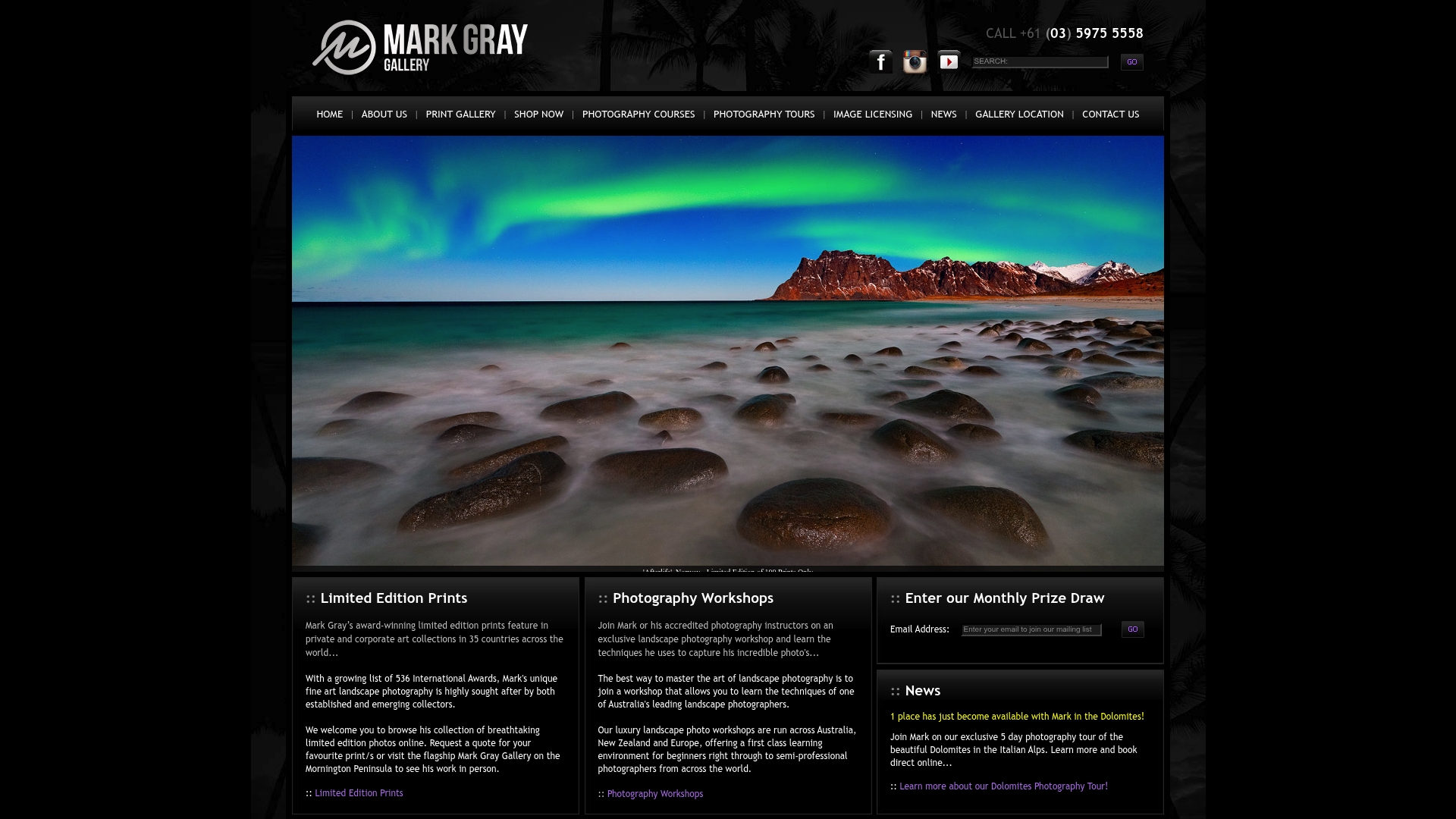
The Mark Gray Gallery offers landscape photography courses across Australia and multi-day workshop tours worldwide, designed for both aspiring and experienced photographers. Each course covers composition principles in the field, with hands-on guidance from Mark himself. Limited edition prints from Australia, Iceland, Norway, and beyond also demonstrate how these composition principles translate into gallery-quality work. Whether you are building your skills or looking for inspiration, the gallery is a worthwhile place to start.
FAQ
What is the most important item on a landscape composition checklist?
Foreground interest is the single most powerful element. It creates depth, draws the viewer into the frame, and separates professional landscape images from ordinary snapshots.
Should I always use the rule of thirds in landscape photography?
The rule of thirds is the best starting point, but centered horizons work well for symmetry and reflections. Composition rules are guidelines, not laws, and breaking them deliberately produces some of the strongest images.
What aperture is best for landscape photography sharpness?
f/8–f/11 delivers the sharpest results across all three compositional layers. Apertures beyond f/16 cause diffraction softening that reduces overall image quality.
How do I use leading lines effectively in landscape photos?
Position leading lines so they enter the frame from the bottom edge or lower corners, guiding the viewer's eye toward the main subject or horizon. Rivers, roads, fences, and shorelines all work well.
When is the best time to shoot landscape photos for strong composition?
Golden hour, the first hour after sunrise and the last hour before sunset, produces directional low-angle light that reveals textures and enhances depth across all compositional layers. Blue hour offers softer, even light with rich color for a different mood.