
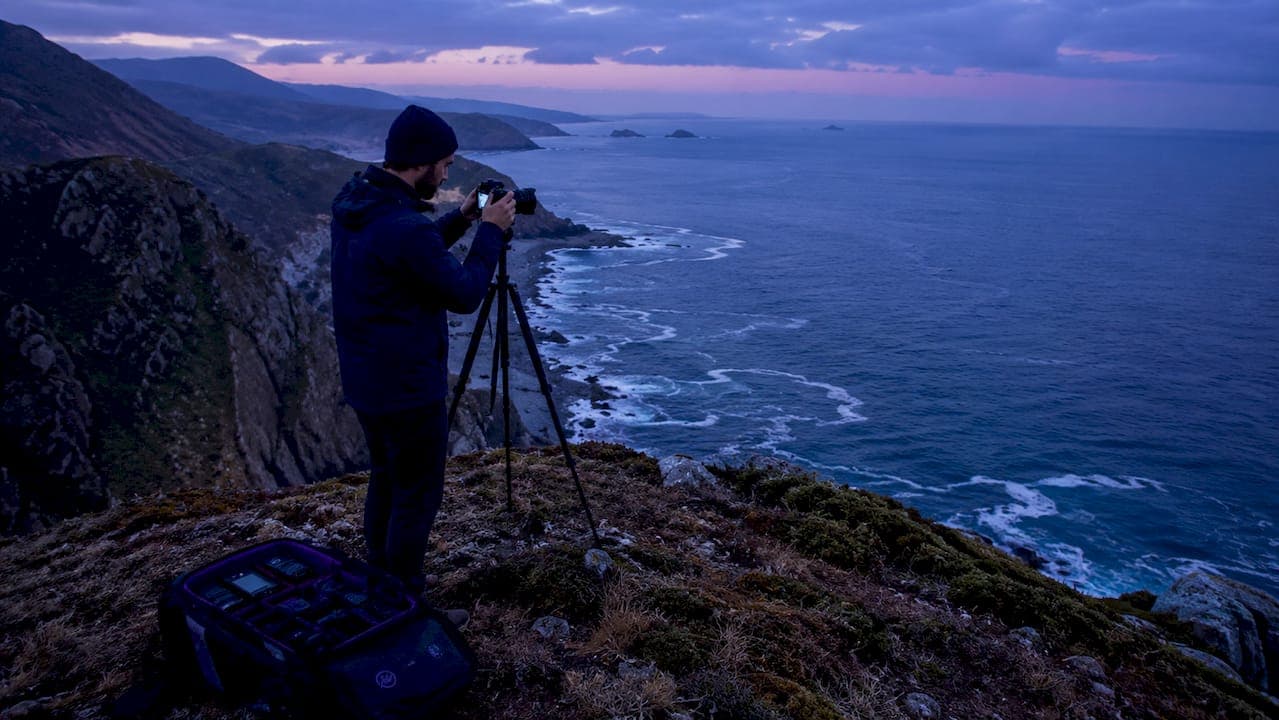
Optimal lighting is the single most powerful variable in landscape photography. This landscape photography lighting conditions guide covers every major light scenario you will encounter outdoors, from the celebrated golden hour to the underrated pink hour, and from blue hour fog to post-storm light shafts. Understanding natural light quality separates technically correct images from genuinely compelling ones. The conditions you shoot in determine texture, mood, color depth, and drama far more than your location alone.
1. Why golden hour is the best lighting for landscape photography
Golden hour delivers warm, low-angle light that rakes across surfaces, revealing texture and color contrast that midday light simply cannot produce. The sun sits close to the horizon, casting long shadows that add shape and depth to mountains, dunes, fields, and coastlines. That directional quality is what separates a flat record shot from a photograph with genuine drama.
Midday light falls from directly overhead. It flattens terrain, bleaches color, and creates harsh shadows under rocks and foliage. Golden hour light arrives at an angle of roughly 10 degrees or less above the horizon, which means every ridge, ripple, and blade of grass casts its own shadow and becomes visible.
Subjects that respond best to golden hour light include:
- Rocky coastlines and sea stacks where side lighting carves out surface detail
- Sand dunes where raking light defines every ripple and crest
- Mountain ridgelines where warm color separates peaks from sky
- Forests and meadows where backlit foliage glows with color
Pro Tip: Use a sun-tracking app like PhotoPills or The Photographer's Ephemeris to calculate the exact azimuth and elevation of the sun at your location before you arrive. Arriving 30 minutes early lets you compose before the light peaks.
2. How blue hour lighting captures mood and atmosphere
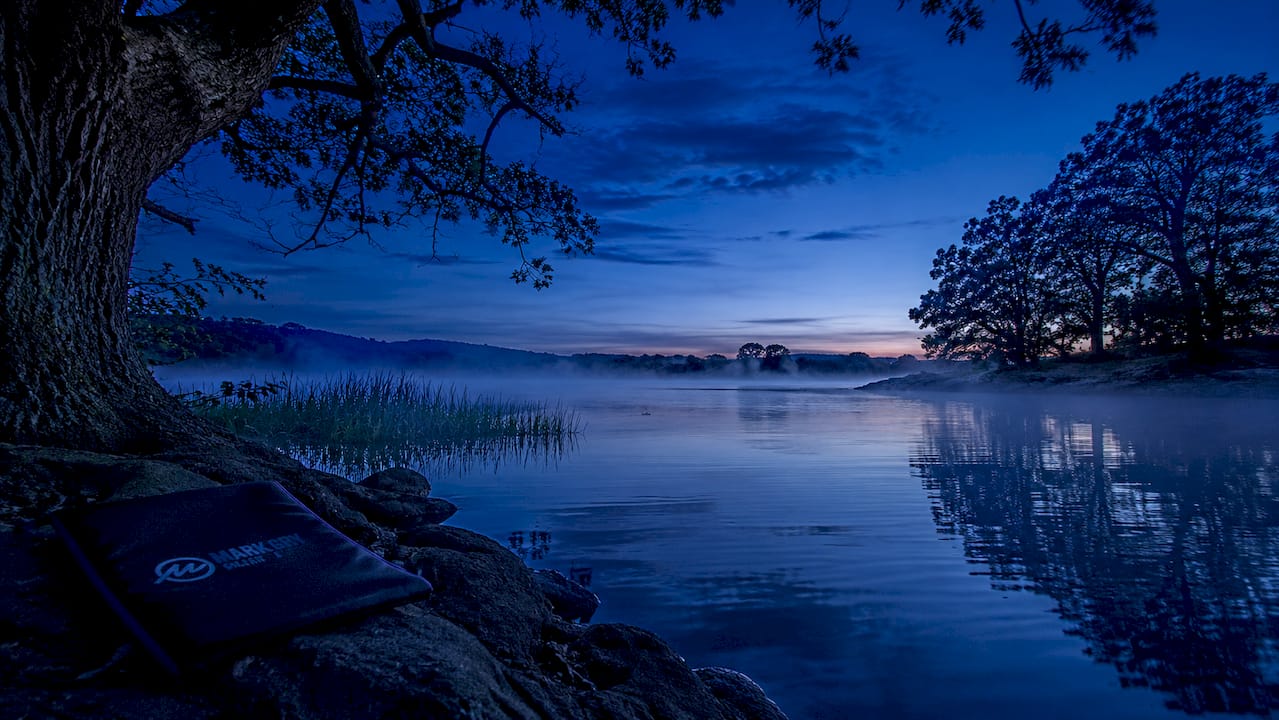
Blue hour is the transition period just before sunrise and just after sunset, when indirect light fills the sky with a soft, cool, diffuse glow. Unlike golden hour, blue hour produces no harsh shadows and no dominant warm color cast. The result is a calm, even illumination that suits scenes requiring subtlety over drama.
Water, fog, and mist respond exceptionally well to blue hour light. Still lakes reflect the blue sky with mirror clarity. Coastal fog softens distant headlands into layered silhouettes. Quiet woodland scenes take on a meditative quality that warmer light would disrupt.
The main challenge is low ambient light. Your camera needs support and longer exposures to record detail without noise. Practical adjustments include:
- Mount on a sturdy tripod to eliminate camera shake at slow shutter speeds
- Set ISO as low as your camera allows to preserve color accuracy and reduce noise
- Use a remote shutter release or the camera's self-timer to avoid vibration at the moment of exposure
- Shoot in RAW format so you retain full control over white balance and shadow recovery in post-processing
Pro Tip: Blue hour lasts roughly 20–40 minutes depending on your latitude and season. Set an alarm for 15 minutes after sunset or 15 minutes before sunrise so you are already set up when the color peaks.
3. Using overcast, rainy, foggy, and stormy weather creatively
Overcast light acts as a natural softbox. Clouds scatter sunlight in every direction, eliminating harsh shadows and evening out contrast across the entire scene. Color saturation actually increases under overcast skies because there is no competing glare from direct sun.
Bad weather creates photographic opportunities that clear days cannot replicate. Rain leaves reflective puddles that double your composition. Fog adds atmospheric depth, pushing background elements into soft layers. Storm clouds build structure and tension in the sky that a plain blue sky never offers. Post-storm conditions are particularly rewarding: shafts of light break through clearing clouds and illuminate specific patches of terrain with theatrical precision.
"Experienced photographers treat flat, overcast light as a compositional opportunity to capture mood and detail, not as a limitation. The photographers who stay home when it rains are the ones who miss the most memorable shots."
Composition strategies under diffused light shift away from dramatic sky and toward foreground detail. Textures in rock, moss, bark, and wet sand become the subject. Reflections in puddles and streams become leading lines. The impact of weather on photography is most visible in these conditions, where the light itself becomes the story.
Gear preparation matters. A rain cover for your camera body and a microfiber cloth for your front element are non-negotiable. Waterproof boots and a dry bag for your pack let you stay in position while other photographers retreat.
Pro Tip: After a storm passes, stay at your location for at least 30 minutes. The clearing phase produces the most dramatic light shafts and rainbow conditions of any weather event.
4. Sunrise vs. sunset and the rare pink hour
Sunrise consistently offers superior photographic conditions compared to sunset. Dew and morning fog accumulate overnight and add atmospheric depth and layering that simply does not exist at the end of the day. The air is also calmer in the early morning, which means still water reflections are more reliable.
Sunset light is warmer and more orange in tone because the atmosphere has accumulated more dust and particles throughout the day. Sunrise light tends toward softer pinks and cooler golds. Neither is objectively better. They produce different moods, and experienced photographers plan shoots around which mood the scene demands.
| Condition | Sunrise | Sunset |
|---|---|---|
| Atmospheric depth | High (dew, fog) | Lower (drier air) |
| Color temperature | Cooler pinks and golds | Warmer oranges and reds |
| Wind and water | Calmer, better reflections | More variable |
| Crowd factor | Fewer photographers | More crowded at popular spots |
Pink hour is a rare and brief phenomenon that occurs when specific cloud and fog layers interact with the rising or setting sun to produce an intense pink cast across the entire sky. It lasts only a few minutes. Missing it by even five minutes means missing it entirely. Photographers who recognize the atmospheric conditions that produce pink hour, thin high cloud above a fog layer near the horizon, position themselves in advance and keep their camera ready.
Pro Tip: Watch the sky 10 minutes before your expected golden hour peak. If you see thin cirrus cloud above a low fog bank, prepare for pink hour. Have your composition locked and your settings dialed in before the color arrives.
5. Practical tips for planning and shooting in optimal conditions
Mastering landscape lighting requires both technical skill and dedicated pre-shoot planning. Arriving at a location without knowing the sun's angle or the forecast is the fastest way to miss the shot. Research is not optional. It is the foundation of every successful landscape image.
Weather forecasting apps give you cloud cover, wind speed, and precipitation probability by the hour. Sun-tracking tools give you the exact azimuth, elevation, and golden hour timing for any location on any date. Combining both gives you a clear picture of what conditions to expect before you leave home.
Camera settings shift significantly across lighting conditions. A practical checklist for each scenario:
- Golden hour: Use aperture f/8 to f/11 for depth of field, ISO 100–400, and a shutter speed fast enough to freeze any movement in grass or water.
- Blue hour: Switch to a tripod, drop shutter speed to 1–30 seconds, keep ISO at 100–200, and use a remote release.
- Overcast: Expose for the highlights to avoid blowing out bright sky patches. Use a polarizing filter to cut glare on wet surfaces.
- Stormy or post-storm: Bracket your exposures. Light changes rapidly and a single exposure setting will not capture the full range.
- Pink hour: Shoot in RAW and slightly underexpose by one stop. The pink tones recover better from a slightly dark exposure than from an overexposed one.
Flexibility is the most underrated skill in outdoor photography. Conditions change faster than any forecast predicts. Photographers who build their technique across all lighting scenarios, not just golden hour, produce the most varied and compelling portfolios.
Pro Tip: Scout your location in person at least once before your planned shoot. Walk the scene, identify your foreground elements, and note where the sun rises or sets relative to your composition. That 30-minute visit saves hours of guesswork on shoot day.
Key takeaways
Lighting conditions determine the mood, texture, and drama of every landscape image far more than location or equipment.
| Point | Details |
|---|---|
| Golden hour is primary | Low-angle warm light adds texture and depth that no other time of day replicates. |
| Blue hour suits mood scenes | Soft, cool, diffuse light works best for water, fog, and atmospheric compositions. |
| Bad weather creates opportunity | Rain, fog, and storms produce reflections, depth, and dramatic light effects. |
| Sunrise beats sunset for atmosphere | Morning dew and fog add depth and calm water reflections that sunset rarely offers. |
| Planning is non-negotiable | Research sun angle and weather before every shoot to avoid missed opportunities. |
What I have learned from shooting in every light condition
Lighting is the one variable I never compromise on. Early in my career, I drove hours to iconic locations and came home with technically correct but emotionally flat images. The locations were right. The light was wrong.
The shift happened when I started treating every weather condition as a creative brief rather than a logistical obstacle. A gray, drizzly morning in Iceland produced some of the most requested prints in my collection. A post-storm afternoon on the New South Wales coast gave me a shaft of light through breaking clouds that I have never been able to replicate. Those images exist because I stayed when other photographers left.
The photographers I respect most are not the ones with the best gear or the most exotic locations. They are the ones who understand that how seasons change light and weather are as important as any technical skill. They plan obsessively, arrive early, and stay late. They know what pink hour looks like before it arrives.
My honest advice: stop chasing golden hour exclusively. Blue hour, overcast mornings, and stormy afternoons will teach you more about light in a single season than years of fair-weather shooting. The images that stop people in their tracks almost always come from conditions that most photographers avoided.
— Mark
Mark Gray's landscape photography resources
Mark Gray is an internationally award-winning Australian photographer whose work spans Australia, Iceland, Norway, French Polynesia, New Zealand, Spain, and the United Kingdom. His portfolio demonstrates exactly what mastering varied lighting conditions produces across a career.
Com offers one-day photography courses across Australia and multi-day workshop tours worldwide, all designed to build real skill in reading and responding to outdoor light. Whether you are looking to study the craft in person, collect a limited edition print, or license an image for commercial use, the Mark Gray Gallery is the place to start. Every print in the collection reflects a deliberate lighting decision made in the field, which makes the portfolio as educational as it is inspiring.
FAQ
What is the best lighting for landscape photography?
Golden hour, the period shortly after sunrise and before sunset, produces warm, low-angle light that adds texture, depth, and color contrast to landscapes. Blue hour and overcast conditions are also highly effective for mood-driven scenes.
How does weather affect landscape photography?
Weather directly shapes the quality and character of available light. Rain creates reflections, fog adds atmospheric depth, and storm clouds produce dramatic light shafts that clear-sky conditions cannot replicate.
Is sunrise or sunset better for landscape photography?
Sunrise generally offers superior conditions because morning dew and fog add atmospheric depth and calm water produces cleaner reflections. Sunset delivers warmer, more orange tones suited to different moods.
What is pink hour in photography?
Pink hour is a brief, rare phenomenon lasting only a few minutes near sunrise or sunset, caused by thin cloud layers above low fog interacting with sunlight to produce an intense pink cast across the sky.
How do I prepare for a landscape photography shoot?
Research the sun's angle and timing using a sun-tracking tool, check an hourly weather forecast, scout the location in advance, and bring weather protection for your gear. Arriving 30 minutes before golden hour gives you time to compose before the light peaks.