
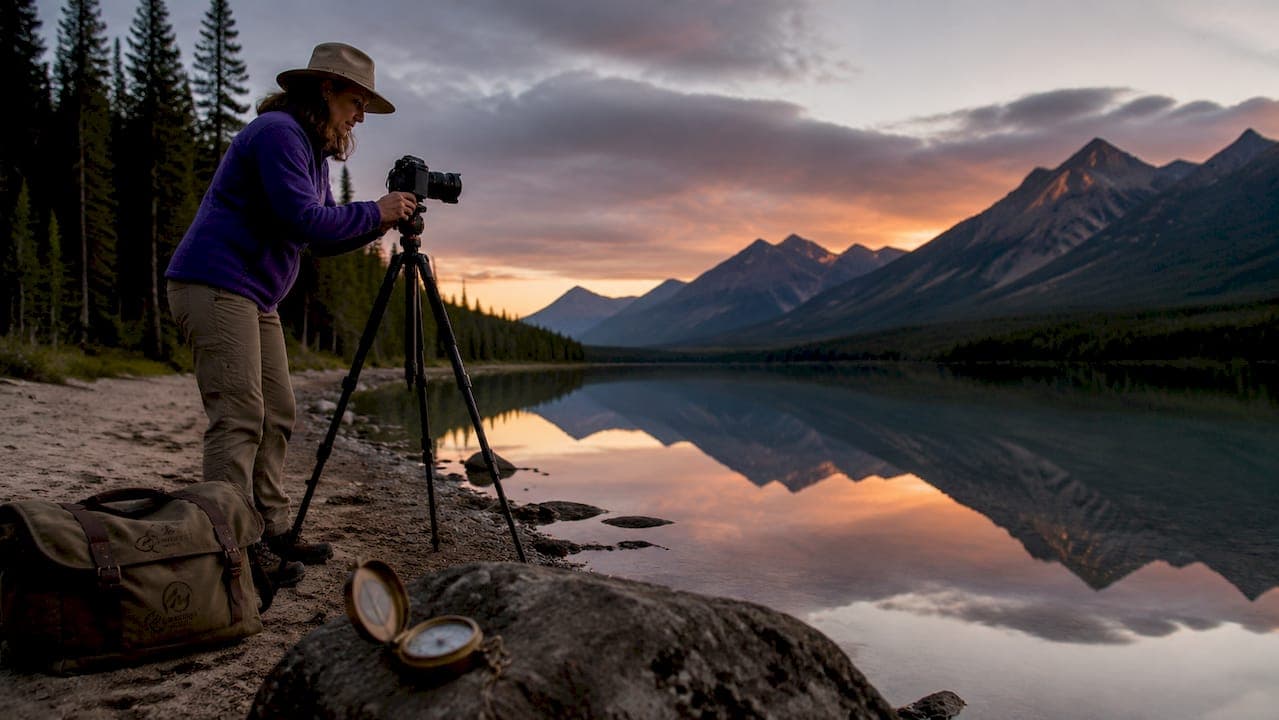
Light quality is the primary design element in landscape photography, shaping texture, depth, and emotional impact more than any other variable. The role of light quality landscape images play is not decorative. It is structural. Photographers like Scott Aspinall and resources from Skylum and Fuji X Passion consistently identify light as the force that separates a technically correct image from a genuinely moving one. Understanding how light behaves across different conditions gives you the creative control to make that distinction intentional.
How does light quality affect landscape photography?
Light quality in photography refers to the character of light: its softness or hardness, direction, color temperature, and intensity. The sun's altitude is the primary determinant of these qualities. That single variable controls whether your image feels warm and intimate or cold and flat.
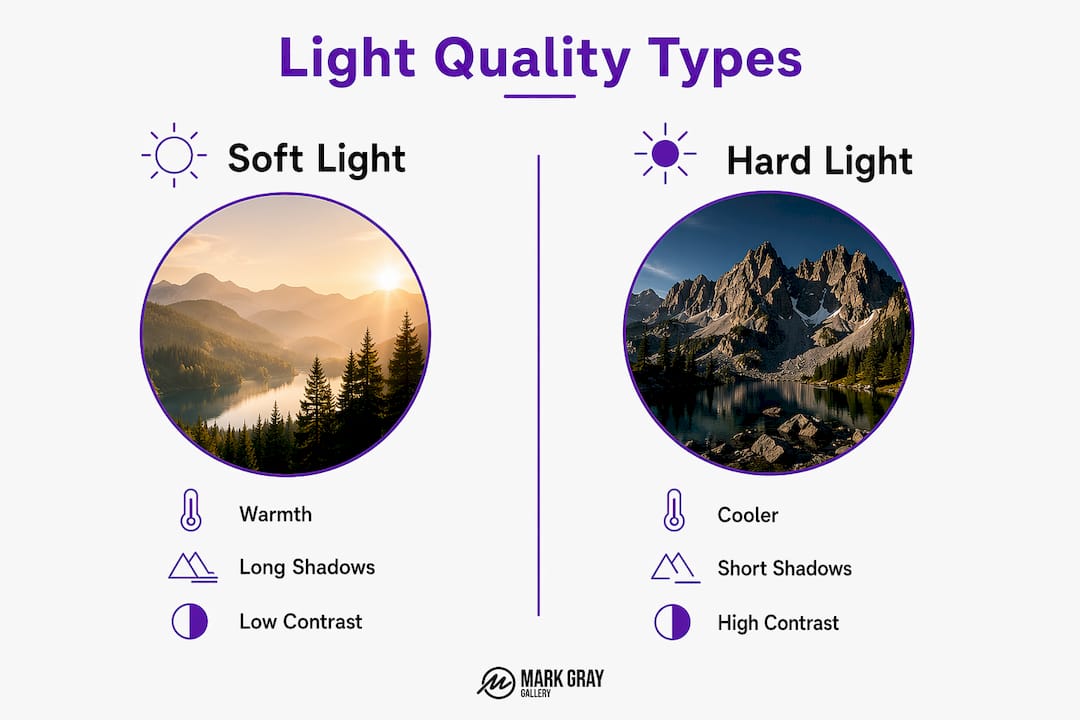
Low-angle light, typical of golden hour in the early morning or late afternoon, produces soft, warm tones with long shadows that trace the contours of the land. High-angle midday light produces harsher shadows and can flatten the sense of depth across a scene. The difference between these two conditions is not subtle. It changes the entire visual language of the photograph.
The four main light qualities photographers work with are:
- Soft light: Diffused, low-contrast illumination that wraps around subjects gently. Ideal for forests, waterfalls, and scenes with complex detail.
- Harsh light: Direct, high-contrast illumination with sharp shadow edges. Emphasizes grit, rock texture, and dramatic terrain.
- Directional light: Light arriving from a specific angle, typically side or back. Sculpts form and creates depth through shadow play.
- Flat light: Even, directionless illumination from overcast skies. Reduces depth but reveals fine surface detail.
The table below compares these four light types across the qualities that matter most in landscape composition:
| Light type | Warmth | Shadow length | Contrast level | Texture enhancement |
|---|---|---|---|---|
| Soft (golden hour) | High | Long | Low to medium | Strong, gentle |
| Harsh (midday) | Low | Short | High | Aggressive, raw |
| Directional (side) | Variable | Medium to long | High | Strong, sculptural |
| Flat (overcast) | Neutral | Minimal | Very low | Reveals fine detail |
Each light type suits different subjects and creative intentions. Knowing which to seek, and which to work with when conditions are not ideal, defines a photographer's range.
How do light and shadow create depth in landscape images?
Controlled contrast between light and shadow is the industry standard technique for maximizing depth in landscape images. Flat, even lighting reduces dimensionality. Uneven light with clear highlights and shadows guides the viewer's eye through the frame and creates a sense of three-dimensional space on a two-dimensional surface.
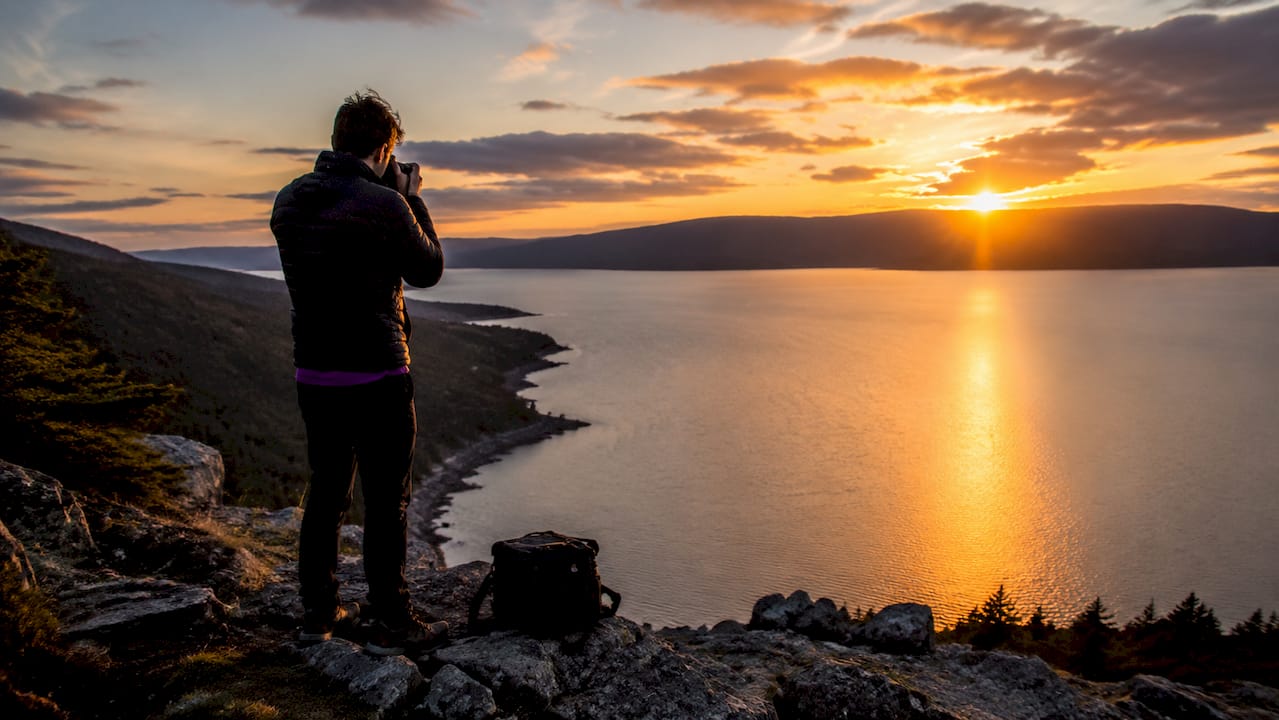
Side lighting creates strong shadows that highlight terrain shape and direct viewer attention effectively. When light arrives from the left or right of a scene, it catches the edges of rocks, ridgelines, sand dunes, and tree bark in a way that front or overhead light simply cannot. The shadow becomes as important as the lit surface.
Shadows are not empty space. They are compositional tools. Used well, they create visual separation between foreground and background elements, add rhythm to a scene, and give the image a sense of weight and presence. The artistic impact of a landscape photograph increases significantly when shadows are placed with intention rather than accepted as a byproduct of the light.
Key techniques for using light and shadow to build depth:
- Shoot with the light source to one side to maximize shadow length across terrain features.
- Use foreground shadows to frame the midground or draw the eye toward a distant subject.
- Expose for highlights in high-contrast scenes to preserve shadow detail and avoid blown-out skies.
- Look for shadow patterns on flat surfaces like beaches or snow fields, where they create strong leading lines.
Pro Tip: Position yourself so that a shadow falls across the foreground of your frame. This creates an immediate sense of depth and separates the foreground from the background without any post-processing adjustment.
How do you shoot in difficult lighting conditions?
The most productive shift a landscape photographer can make is to stop labeling light as "good" or "bad" and start thinking of it as "easy" or "difficult." Easy light, like golden hour on a clear day, creates predictable beauty. Difficult light, like harsh midday contrast or flat overcast conditions, demands more from the photographer. That demand builds skill.
Mastering difficult light deepens a photographer's visual language and portfolio maturity. Photographers who only shoot in favorable conditions produce consistently pleasant images. Photographers who work in all conditions produce images with genuine range and creative depth.
Practical strategies for each challenging condition:
- Harsh midday light: Seek scenes where hard shadows become the subject. Canyons, urban edges, and textured rock faces all benefit from the drama of direct overhead light. Use a polarizing filter to manage reflections and increase color saturation.
- Flat overcast light: Flat lighting reveals details that golden hour glow obscures. Use this condition for intimate forest scenes, waterfalls, and coastal rock pools where texture and color matter more than shadow drama.
- Backlit scenes: Shoot into the light to create silhouettes, rim lighting on foliage, and lens flare effects that add atmosphere. Expose for the bright background and let foreground elements go dark for a graphic, high-impact result.
Pro Tip: When the light looks "wrong" for the scene you planned, turn around. The light behind you may be creating something far more interesting than what you originally intended to photograph.
You can also develop these skills formally. Landscape photography courses that focus on managing challenging light conditions are one of the fastest ways to build confidence across the full range of lighting scenarios.
How do seasons and weather change light quality in landscape images?
Seasonal changes in sun angle affect shadow length, hardness, and color temperature in ways that fundamentally alter the character of a landscape image. Summer sun sits high in the sky, producing harder light with shorter shadows. Winter sun stays low, producing softer, longer shadows with warmer tones throughout more of the day. This means winter gives photographers a longer window of quality light on either side of midday.
Weather conditions alter light diffusion significantly. Overcast skies produce soft, directionless light that flattens contrast. Clear skies favor directional lighting that enhances texture and mood. Fog introduces a third variable, scattering light so evenly that it creates a painterly, atmospheric quality that no other condition replicates.
The table below shows how seasonal and weather conditions combine to influence light quality:
| Condition | Light quality | Shadow character | Best subjects |
|---|---|---|---|
| Summer, clear sky | Hard, bright | Short, sharp | Canyons, graphic compositions |
| Winter, clear sky | Soft, warm | Long, gentle | Open plains, snow fields, coastlines |
| Overcast, any season | Soft, flat | Minimal | Forests, waterfalls, rock pools |
| Foggy morning | Diffused, atmospheric | Absent | Valleys, tree lines, misty water |
| Storm light (clearing) | Dramatic, directional | Strong, variable | Wide vistas, dramatic skies |
Planning shoots around seasonal light cycles pays off. Seasonal variation in sun altitude is one of the most underused tools in landscape photography. Returning to the same location across different seasons produces a body of work that shows the full emotional range a single place can express.
Weather is equally worth tracking. Weather conditions that most photographers avoid, such as approaching storms, post-rain clearing, and heavy overcast, often produce the most memorable light of all. The moment a storm breaks and directional light floods a valley is not something you can recreate in post-processing.
Soft diffused light also simplifies chaotic scenes, reducing visual noise and making complex subjects more approachable. Forests photographed under overcast skies benefit from this effect directly. The absence of harsh shadows lets color and texture carry the image without distraction.
Key Takeaways
Light quality is the single most powerful variable in landscape photography, and mastering it across all conditions separates strong images from exceptional ones.
| Point | Details |
|---|---|
| Sun altitude drives light quality | Low-angle light produces warm, soft, long shadows; high-angle light creates harsh contrast and flattens depth. |
| Shadow is a compositional tool | Side lighting and intentional shadow placement build visual depth and guide the viewer's eye through the frame. |
| Difficult light builds skill | Harsh midday, flat overcast, and backlit conditions each offer creative opportunities that easy light cannot. |
| Seasons extend your shooting window | Winter's low sun angle creates quality light for more hours each day than summer conditions allow. |
| Weather creates unrepeatable light | Storm breaks, fog, and post-rain clearing produce atmospheric light that no other condition or editing technique replicates. |
What I've learned from chasing light across the world
After years of photographing landscapes across Australia, Iceland, Norway, French Polynesia, and beyond, the lesson that keeps proving itself is this: the photographers who wait for perfect light miss most of the interesting light there is.
Golden hour is real and it is beautiful. But it is also predictable. Every photographer with a weather app and a sunrise chart can show up for it. The images that have surprised me most, and the ones that have resonated most with collectors and galleries, came from conditions I did not plan for. A storm rolling in over the Icelandic coast. A foggy winter morning in the Australian highlands where the light turned the whole valley silver. A flat overcast afternoon in New Zealand that made the colors in a beech forest look almost unreal.
Light as a narrative element sculpts texture, mood, and depth. Patience to observe the full light cycle leads to more meaningful photography. That is not just poetic advice. It is a practical discipline. Staying at a location through the full arc of light, from pre-dawn through midday and into dusk, teaches you things about a place that a single golden hour visit never will.
My honest recommendation: pick one location and commit to photographing it in every season and every weather condition you can manage. The effects of lighting on landscape images become viscerally clear when you see the same scene transformed by winter fog, summer harshness, and autumn's low golden angle. That single exercise will teach you more about light than any technical manual.
— Mark
Mark Gray's landscape photography and workshops
Mark Gray is an internationally recognized Australian landscape photographer whose work spans Australia, New Zealand, Norway, Iceland, French Polynesia, Spain, and the United Kingdom. His images are a direct study in how light quality shapes a landscape's emotional and visual identity.
Viewing Mark's award-winning portfolio gives photographers a practical reference for how different light conditions translate into finished prints. Each limited edition print in the collection demonstrates a specific quality of light, from the warm directional glow of an Australian dawn to the flat silver diffusion of an Icelandic overcast. For photographers looking to develop their own relationship with light, Mark also offers one-day photography courses across Australia and multi-day workshop tours worldwide. These programs are built around real locations and real conditions, not studio simulations.
FAQ
What is light quality in landscape photography?
Light quality refers to the character of light, including its softness, direction, color temperature, and contrast level. The sun's altitude is the primary factor that determines these qualities in any given scene.
Why is golden hour considered the best lighting for landscape images?
Golden hour produces low-angle, warm, soft light with long shadows that enhance texture and depth. These qualities make scenes easier to expose correctly and more visually appealing, though other light conditions offer equally strong creative potential.
How does overcast light affect landscape images?
Overcast skies produce soft, flat light that reveals fine surface detail and reduces harsh shadows. This makes overcast conditions ideal for forests, waterfalls, and any scene where color and texture matter more than dramatic contrast.
How do seasons change the quality of light in landscape photography?
Summer produces harder, shorter-shadowed light due to the sun's high altitude, while winter's lower sun angle creates softer, longer shadows and extends the window of quality light throughout the day.
Can difficult light conditions improve your photography?
Difficult light conditions, including harsh midday contrast and flat overcast, build creative skill and portfolio depth. Photographers who work across all light conditions produce images with greater range than those who shoot only in favorable light.