
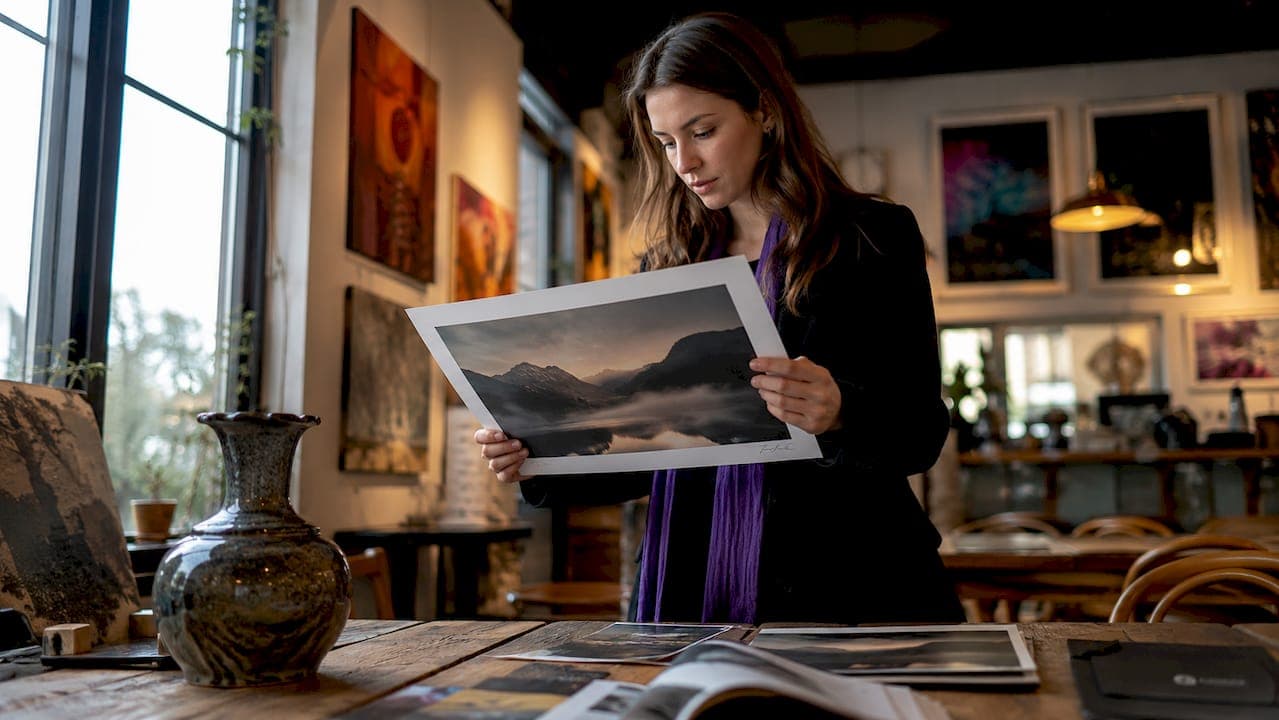
Fine art prints are defined as limited-edition artworks produced through a deliberate collaboration between an artist and skilled printmakers, authenticated by the artist's signature and edition numbering. They stand apart from every other souvenir category because they carry artistic intent, documented scarcity, and a direct connection to a specific place and moment. Attendance at the International Fine Print Dealers Association (IFPDA) Print Fair rose from 8,000 to more than 21,000 between 2018 and 2026. That growth signals a cultural shift: travelers and collectors alike are choosing art over trinkets. For anyone who appreciates photography and landscape, understanding why fine art prints make meaningful souvenirs changes how you think about bringing a place home.
What makes fine art prints different from typical travel souvenirs?
Fine art prints are not reproductions. They are original works produced in controlled, limited runs with archival standards that mass-produced souvenirs never meet. That distinction matters enormously when you want a memento that holds meaning beyond the first week home.
Authentic fine art prints involve limited editions with archival standards to maintain long-term cultural and economic value. A postcard, magnet, or generic print run near 2,000 units sits closer to a poster than a genuine artwork. The difference is not just aesthetic. It is structural.
Here is what separates a fine art print from a typical souvenir:
- Limited edition numbering: Each print carries a fraction notation (e.g., 3/50) confirming exactly how many exist. Smaller runs create genuine scarcity.
- Artist signature: The artist's hand-signed signature authenticates the work and creates a personal connection between creator and collector.
- Provenance documentation: A certificate of authenticity records the print's origin, edition details, and exhibition history.
- Archival production standards: Acid-free papers, lightfast inks, and controlled printing processes protect the work for decades.
- Artist involvement: The artist approves every print, ensuring the final piece reflects their creative vision.
Mass-produced souvenirs share none of these attributes. They are manufactured for volume, not meaning. A fine art print, by contrast, is produced for permanence and personal connection.
Pro Tip: When buying a print as a souvenir, ask specifically for the certificate of authenticity and confirm the edition size before purchasing. A print without documentation is difficult to verify and harder to value later.
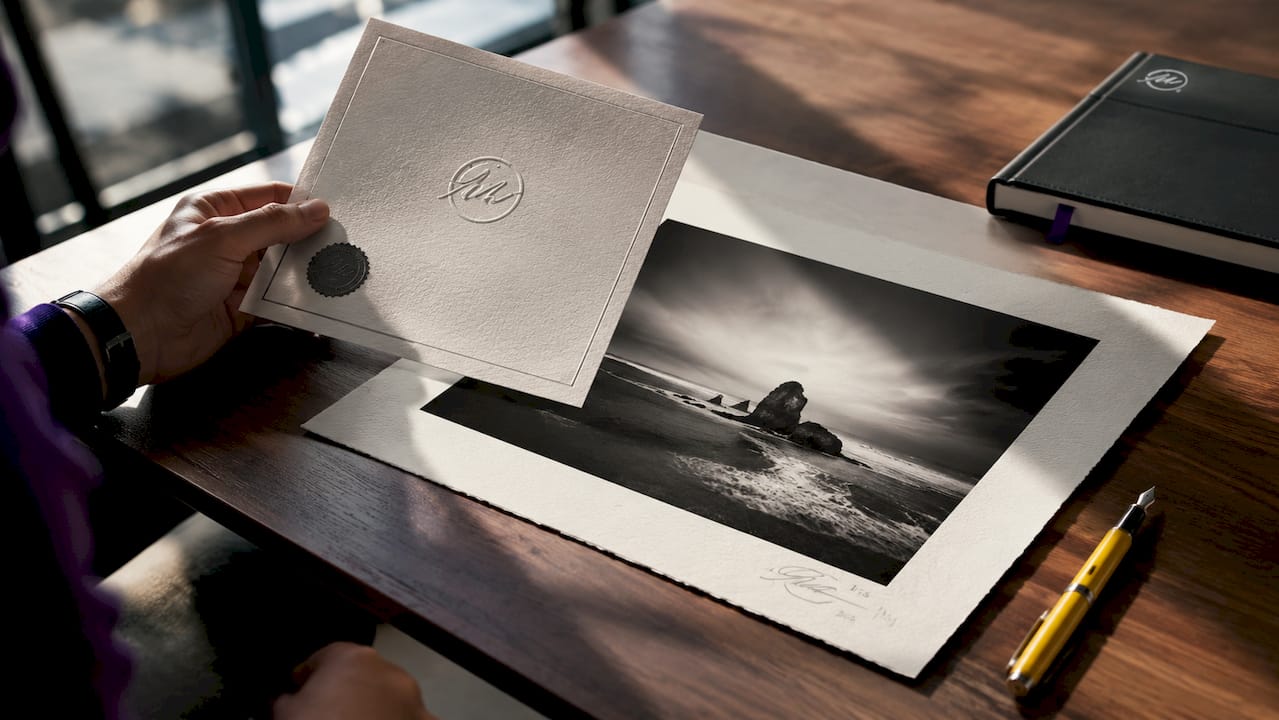
The types of limited edition photography prints available today range from large-format wall pieces to intimate small-format works, giving travelers genuine flexibility without sacrificing collectible standards.
How do fine art prints capture travel memories in meaningful ways?
A fine art print does something a photograph on your phone cannot. It translates a place into a considered artistic statement, one that carries the photographer's or printmaker's emotional response to that location. That artistic layer transforms a memory into an experience you can live with every day.
The significance of art prints as travel mementos works on several levels:
- Cultural and historical depth: A landscape print from Iceland or Norway carries the geography, light, and atmosphere of that place. The artist's choices about composition, tone, and subject embed cultural meaning that a generic souvenir never achieves.
- Emotional resonance through artistry: The artist's expression gives the image a feeling. You are not just looking at a place. You are seeing how a skilled eye interpreted it, which deepens your own memory of being there.
- Narrative through provenance: The certificate of authenticity, edition narrative, and exhibition history give the print a story beyond your own. That layered narrative increases emotional attachment over time.
- Portability without loss of value: Postcard-sized and small-format prints travel easily. They do not require special packing or checked luggage. Yet they carry the same artistic credentials as larger works.
- Art prints for home decor: Once framed and displayed, a fine art print becomes a daily reminder of a place you loved. It integrates your travel experience into your living environment in a way no magnet or keychain ever could.
Sotheby's experts note that meaningful editions connect directly with an artist's main practice and themes, deepening intellectual and emotional ties for collectors. That connection is exactly what makes a print feel personal rather than generic.
What role do limited editions and provenance play in print value?
Limited editions create scarcity. Scarcity creates meaning. When you own print number 4 of 25, you hold something that only 24 other people in the world possess. That exclusivity transforms a decorative object into a genuine collectible.
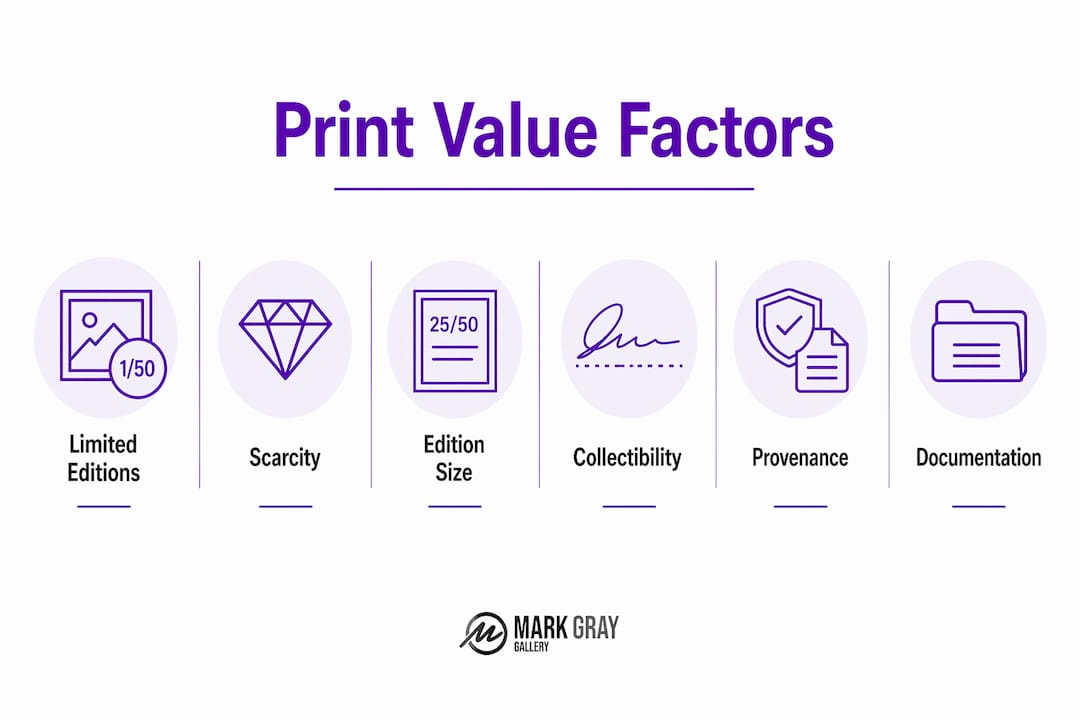
Numbered and signed prints are generally preferred by collectors over artist proofs, and smaller edition sizes command higher demand. This is a practical point for travelers: the smaller the edition, the more significant your print becomes over time.
Provenance documentation matters just as much as the edition number. Collectors value provenance as much as edition size and artist signature. A print with a documented exhibition history and a clear chain of ownership carries more weight than an identical print without that paper trail.
One persistent myth deserves correction. Many buyers assume artist proofs (marked "A/P") are automatically more valuable than numbered editions. This is not accurate. Artist proofs are not inherently more valuable than numbered prints. Collectors generally prefer the clarity and documented scarcity of a numbered run.
Digital provenance tools are now reinforcing these standards. QR-enabled certificates and blockchain-backed records became widely adopted in late 2025 and early 2026. These tools let you verify a print's authenticity instantly, which increases confidence for first-time buyers and seasoned collectors alike.
Pro Tip: Always check whether the edition is closed (no more prints will be made) or open (the artist can add more). A closed edition with a low number offers the strongest collectible foundation.
Understanding limited edition print value helps you make a purchase that holds both personal and long-term significance.
Why are small-format prints becoming popular souvenirs in 2026?
Small-format and postcard-sized fine art prints have become one of the most exciting developments in the souvenir and collecting space. They solve a real problem for travelers: how do you bring home a meaningful artwork without worrying about damage, excess baggage, or customs declarations?
The appeal is straightforward:
- Easy to pack: A postcard-sized print fits in a carry-on without special protection. Travelers can bring home multiple prints from a single trip.
- Genuinely collectible: Small size does not reduce artistic or monetary significance. A 1517 postcard-sized drawing by Hans Baldung Grien carried auction estimates up to $3.5 million. Scale does not define value.
- Accessible entry point: Printmaking democratizes access to owning works by renowned artists. Small-format prints make that access even more practical for first-time collectors.
- Verified authenticity: QR-enabled certificates and digital provenance records now accompany many small-format prints, giving buyers the same confidence they would have with a large-format work.
- Perfect as fine art gifts: Small prints are easy to give. They are personal, artistic, and far more memorable than a bottle of wine or a box of chocolates.
The gifting potential of fine art photography prints is significant. A small-format limited edition print from a destination you both visited carries emotional weight that no generic gift can replicate.
How do you select fine art prints that will be meaningful souvenirs?
Choosing the right print takes more than liking the image. The most meaningful souvenirs combine personal resonance with documented artistic quality. Here is a practical framework for making a confident choice:
- Check the edition size and number: Smaller editions carry more scarcity. A print numbered 5/20 is more exclusive than one numbered 45/500.
- Confirm the artist's signature: A hand-signed print creates a direct link between you and the artist. Printed signatures do not carry the same weight.
- Request provenance documentation: Ask for the certificate of authenticity and any exhibition history. This protects your investment and deepens the print's story.
- Assess the artist's connection to the subject: A photographer who has spent years capturing Iceland's landscapes brings a depth of understanding that a passing visitor cannot replicate. That connection shows in the work.
- Verify archival printing standards: High-quality archival materials prevent degradation and protect the print's long-term aesthetic and investment value. Ask about paper type, ink longevity, and framing recommendations.
Pro Tip: Balance personal taste with collectible potential. A print you love and can live with every day is always the right choice. Collectible value is a bonus, not the primary reason to buy.
The investment basics for photography prints are worth understanding before you commit, especially if you plan to build a collection over multiple trips.
Key takeaways
Fine art prints make the most meaningful souvenirs because they combine documented scarcity, artist authentication, and genuine emotional connection to a place in a way no mass-produced memento can match.
| Point | Details |
|---|---|
| Limited editions create real scarcity | Smaller numbered runs increase both collectible value and personal significance over time. |
| Provenance documentation matters | Certificates of authenticity and exhibition history protect value and deepen the print's story. |
| Small-format prints are fully collectible | Postcard-sized prints travel easily and carry the same artistic credentials as large-format works. |
| Artist connection elevates meaning | Prints by photographers with deep ties to a location carry emotional depth that generic images cannot. |
| Archival standards protect your investment | Acid-free papers and lightfast inks preserve the print's quality and value for decades. |
Why I believe fine art prints are the most honest souvenirs you can bring home
I have spent years photographing landscapes across Australia, New Zealand, Iceland, Norway, and beyond. Every time I return from a location, I understand exactly why travelers want to bring something of that place home. The light over Milford Sound, the volcanic stillness of Iceland's interior, the drama of a Norwegian fjord at dusk. These are not experiences you summarize with a refrigerator magnet.
What I have observed, both as a photographer and through conversations with collectors, is that a fine art print does something genuinely different. It does not just remind you of a place. It gives you a version of that place as seen through a trained eye, at a specific moment, under specific light, with a specific intention. That is a fundamentally different object from a souvenir.
The growing appreciation for prints in travel culture is real. Travelers who understand the importance of art in travel are choosing works they can live with, not just store in a drawer. They want something that holds meaning on the wall for twenty years, not something that fades in a box.
My honest view is this: the emotional value and the collectible value of a fine art print are not in competition. They reinforce each other. A print you love deeply is also one you will care for, display proudly, and potentially pass on. That is the definition of a meaningful souvenir.
— Mark
Award-winning landscape photography prints worth bringing home
Mark Gray's limited edition landscape prints are produced to the highest archival standards, hand-signed, and numbered in strictly controlled editions. Each print comes with full provenance documentation, giving you the confidence of a genuine collectible alongside the personal joy of owning a world-class landscape photograph.
From the dramatic coastlines of Australia to the ethereal light of Iceland and French Polynesia, every print in the Com collection represents years of dedication to a location and a craft. Whether you are looking for a meaningful travel memento for yourself or a fine art gift for someone who loves a particular place, these prints deliver both artistic quality and lasting significance. Browse the full collection at markgray.com.au and find the print that speaks to your experience.
FAQ
What makes a fine art print a better souvenir than a poster?
Fine art prints are produced in limited, numbered editions with archival materials and the artist's hand-signed authentication. Posters are mass-produced without edition controls, artist involvement, or provenance documentation.
How do I know if a fine art print is authentic?
Look for a hand-signed signature, edition number, and a certificate of authenticity. Digital tools including QR-enabled certificates and blockchain-backed records now make verification straightforward for buyers.
Are small-format fine art prints worth collecting?
Small-format prints carry the same artistic credentials and provenance documentation as large-format works. A postcard-sized drawing from 1517 by Hans Baldung Grien carried auction estimates up to $3.5 million, confirming that size does not determine value.
Are artist proofs more valuable than numbered prints?
Artist proofs are not inherently more valuable than numbered editions. Collectors generally prefer the documented scarcity and clarity of a numbered limited edition run.
How do fine art prints enhance the importance of art in travel?
Fine art prints translate a place into a considered artistic statement, embedding the photographer's emotional response and cultural understanding into an object you can display and live with for decades.