
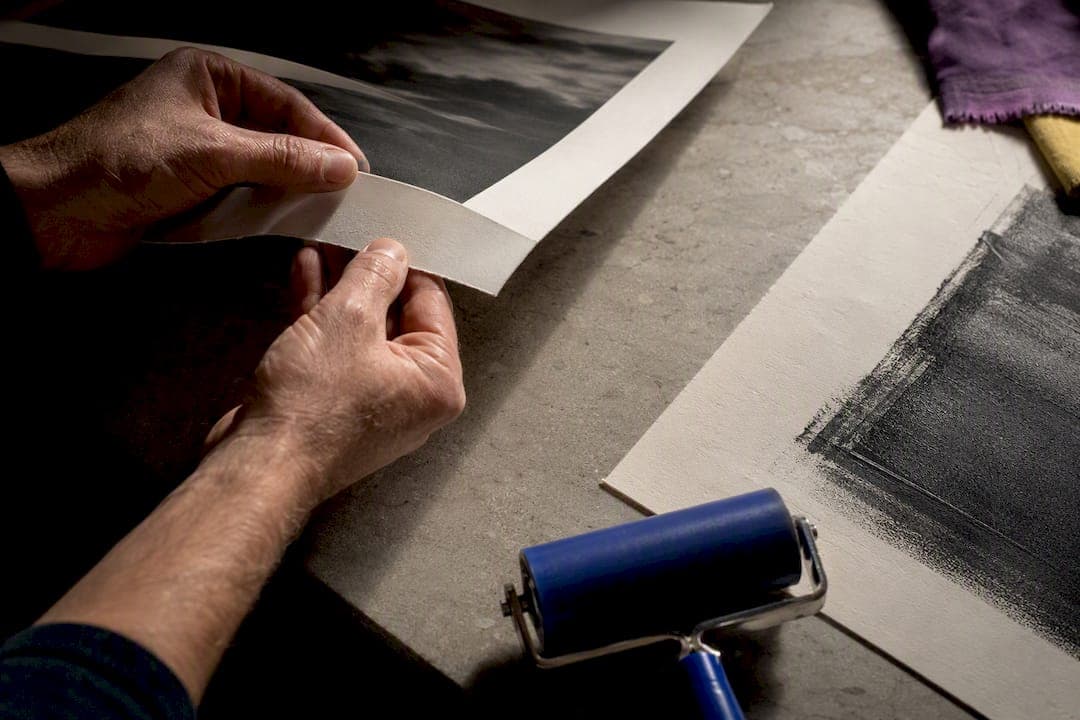
An artist's proof (AP) is an impression reserved outside a print's numbered edition, traditionally marked AP, A/P, or E.A., and set aside for the artist's own use. Most APs are technically identical to the numbered prints in the same edition, so their value hinges on scarcity, documentation, and provenance rather than any difference in quality. Before paying a premium for one, understand how it was produced and what paperwork should follow it home.
TL;DR:
- Most artist's proofs are identical to the numbered prints in quality, but their value depends mainly on scarcity, provenance, and documentation.
- APs are usually a finished impression, often indistinguishable from regular editions, and their number typically ranges from 10 to 15 percent of the edition.
- Proper verification involves requesting certificates of authenticity, provenance records, and comparing signatures, as APs are often misrepresented or mistaken for other proofs.
- Scarcity alone does not guarantee higher value; a well-documented AP with clear ownership history can command a premium over a numbered print.
- In photography, authentication relies more on lab logs, paper type, and signatures, with a focus on verified edition size and provenance.
Table of Contents
- What Is an Artist's Proof, and How Does It Fit With Limited Editions?
- How Artist's Proofs Are Made, and the Different Proof Types You'll Encounter
- How Do You Read Edition Markings and AP Abbreviations?
- Are Artist's Proofs More Valuable Than Numbered Prints?
- How Do You Verify an Artist's Proof Is Authentic?
- What Misconceptions Should Collectors Watch For?
- A Gallery's View on Artist's Proofs in Photography Prints
- Own an Authenticated Limited Edition Print
- Sources
- FAQ
What Is an Artist's Proof, and How Does It Fit With Limited Editions?
Printmaking has used proofs for centuries, long before "artist's proof" became a marketing phrase on gallery websites. In traditional etching and lithography, a printer pulled test impressions while adjusting ink, pressure, and plate wear. Once the artist approved a version as ready for full production, that impression was marked "bon à tirer," French for "good to pull." It became the reference standard the printer matched for every impression in the run, a practice still cited in printmaking dictionaries like the American Historical Print Collectors Society.
Artist's proofs grew out of that process, but they serve a different purpose. Rather than being working documents, APs are finished, edition-quality prints an artist keeps back for personal use, gifts, exhibitions, or as informal payment to a printer or publisher. They sit outside the numbered sequence entirely. A print marked "12/50" belongs to a run of 50; an AP from that same run exists in addition to those 50, not counted among them.
Convention, not law, governs how many APs an edition includes. Industry practice generally caps artist's proofs at 10 to 15 percent of the main edition size:
- A print edition of moderate size might include several artist's proofs
- Larger editions might include a correspondingly larger number of APs
- Some contemporary photographers issue only a few artist's proofs
There's no regulatory body enforcing these numbers, which is precisely why documentation matters more than the abbreviation itself.
How Artist's Proofs Are Made, and the Different Proof Types You'll Encounter
Not every proof labeled by a seller means the same thing, and confusing one type for another is a common mistake. Four categories show up most often in the secondary market:
- Working or trial proofs. Pulled while an artist is still adjusting the image, these can show unfinished elements, test colors, or handwritten annotations. They're production documents, not finished collector prints.
- Bon à tirer proofs. The single approved reference impression a printer matches for the entire edition. Galleries almost never sell these because there's only one.
- Artist's proofs (AP). Finished impressions, technically matched to the numbered edition, reserved for the artist outside the count.
- Printer's proofs (P/P) and hors commerce (H.C.). Printer's proofs go to the printer as part of their compensation; hors commerce prints ("not for commercial sale") were originally reserved for exhibitions and display copies, though both categories now circulate on the secondary market.
In contemporary practice, especially in fine art photography, an AP is nearly always a completed impression indistinguishable from the numbered edition, according to MyArtBroker's analysis of AP investing. If a print looks unfinished, has visible test marks, or lacks a full signature, ask direct questions before assuming it carries AP status.
How Do You Read Edition Markings and AP Abbreviations?
Edition information typically appears in pencil beneath the image, in the lower margin. The left side usually carries the edition fraction or proof designation; the right side carries the artist's signature.
Common markings you'll run into:
- A/P or AP — Artist's proof
- E.A. — Épreuve d'artiste, the French equivalent of AP, common on European prints
- H.C. — Hors commerce, "not for trade"
- P/P — Printer's proof
- BAT — Bon à tirer, the single approved master proof
A pencil signature signed by hand carries more weight than a signature printed into the plate itself, since the latter offers no proof the artist personally approved that specific impression. Before buying, request a certificate of authenticity, the original sales invoice, and, where available, printer or publisher production records that confirm how many APs exist for that specific title.
Are Artist's Proofs More Valuable Than Numbered Prints?
Not automatically, and this is where a lot of buyers get misled. An AP can command a premium, but scarcity alone doesn't set the price. Sotheby's guidance on reading editions makes clear that documentation, provenance, and sales history carry more weight than the AP label by itself.
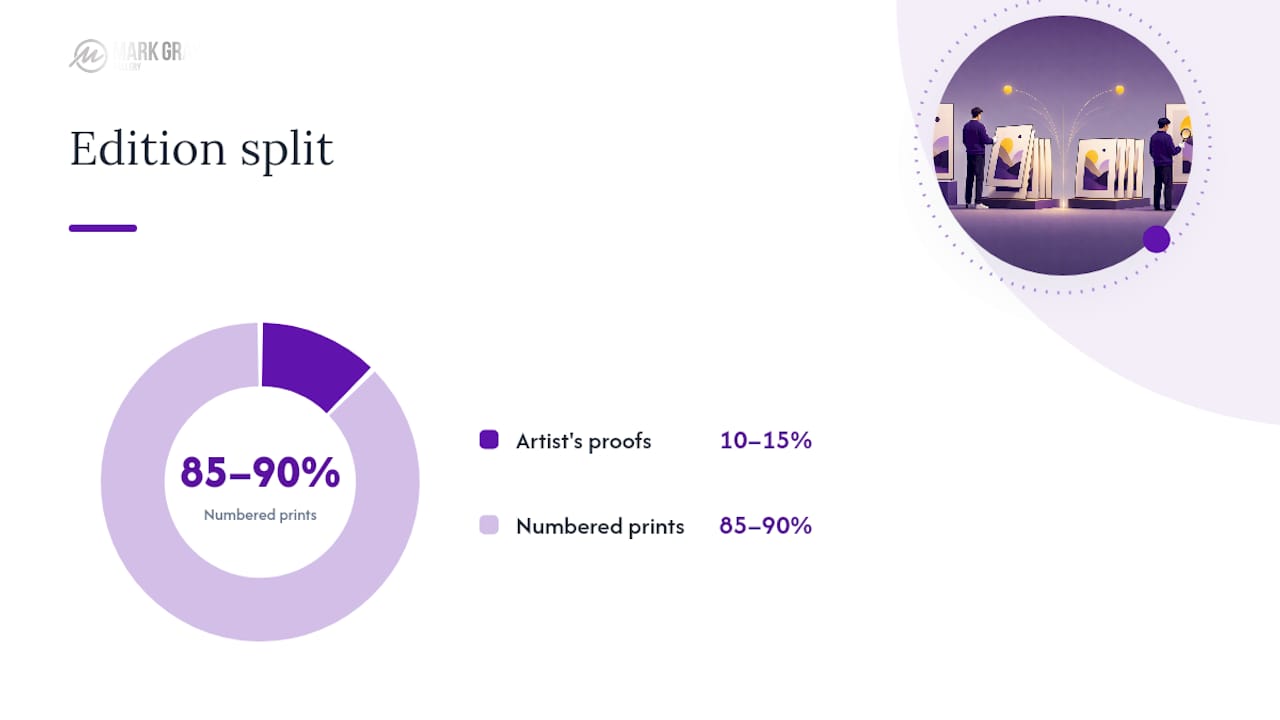
By convention, artist's proofs make up roughly 10 to 15 percent of a numbered edition's size, meaning they are structurally scarcer. But scarcity without a paper trail rarely moves a price on its own.
APs tend to sell for genuine premiums under specific conditions:
- The artist personally retained and later sold the impression, giving it a direct chain of custody
- The piece carries a unique feature, hand alteration, or inscription not found in the numbered run
- Auction records or gallery archives document that specific impression's ownership history
Condition and paperwork routinely outweigh the AP designation on its own. A numbered print with a clean provenance file, original invoice, and stable condition report often outperforms an AP with none of those things. Before paying extra for the AP label, look for a certificate of authenticity, a documented edition size, and any auction or gallery record tying that specific impression to the artist. Our guide on limited edition print value breaks down how these factors interact in more detail.
How Do You Verify an Artist's Proof Is Authentic?
Verification is where collectors protect themselves from paying AP prices for undocumented prints. Work through these steps before any purchase:
- Request a certificate of authenticity, the gallery's original invoice, and any printer or publisher production notes
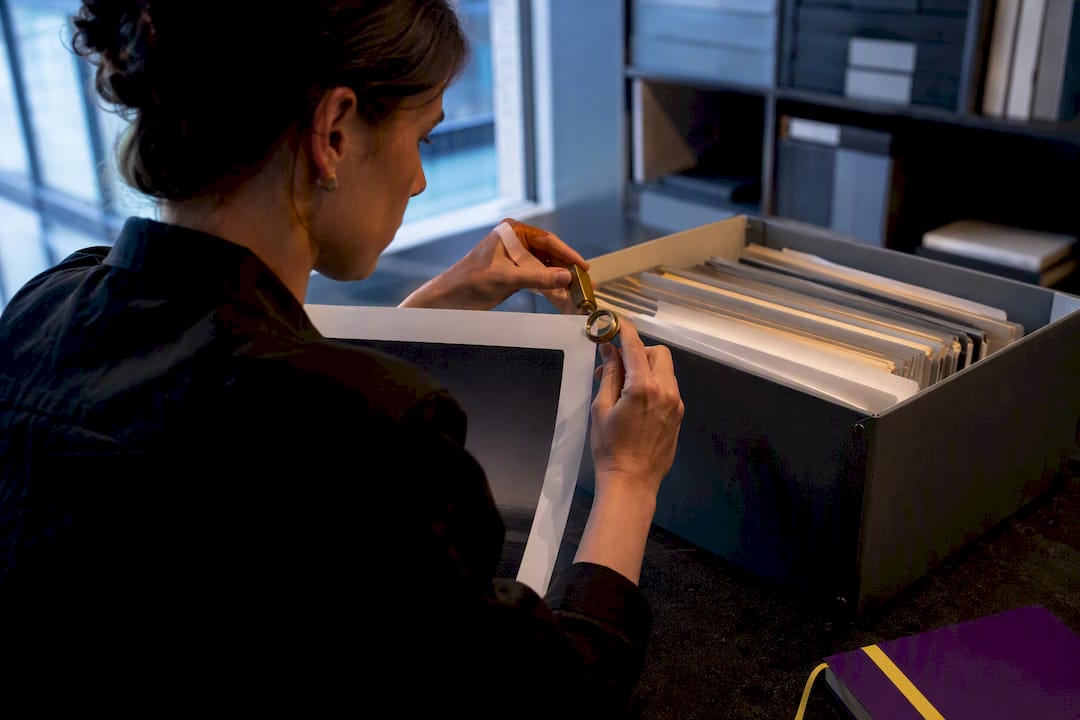
- Compare the signature and margin markings against verified examples from the same artist and edition
- Ask whether the seller can reference the bon à tirer or a published edition catalog entry for that title
- For high-value pieces, commission an independent condition report or third-party appraisal before finalizing the sale
Pro Tip: Ask the seller directly how many artist's proofs exist for that specific edition. A dealer who can't answer, or who gives you a different number than what's printed on the certificate, is telling you something important about how carefully that print has been tracked.
Auction houses and museum archives often hold prior sale records for well-known artists, which makes cross-checking prior appearances of a specific AP a realistic step, not just theoretical advice.
What Misconceptions Should Collectors Watch For?
The biggest myth is that AP means better. It almost never does. A modern artist's proof is typically the same paper, same ink, same technical process as the numbered prints beside it, just set aside from the count.
A subtler problem: some publishers have used "proof" language purely as a sales tool, inflating perceived rarity without matching documentation, a pattern discussed in historical surveys of proof print marketing. Watch for these warning signs:
- An AP count that isn't stated anywhere in writing
- Inconsistent or missing provenance between the seller's story and the paperwork
- "Proof" labels invented after the fact that don't match standard AP, E.A., H.C., or P/P conventions
If documentation is thin, that's a legitimate reason to negotiate the price down rather than walk away entirely. A well-priced print with gaps in its paper trail can still be a fair deal, as long as the price reflects that missing information.
A Gallery's View on Artist's Proofs in Photography Prints
Photography editions raise the same questions as etching or lithography, but the paper trail looks a little different. A print lab log, the specific paper stock used, and a clearly stamped edition number matter as much as a signature, since photographic prints don't carry the plate wear that helps authenticate older printmaking media.
Before buying a photography AP, confirm five things: a certificate of authenticity, a stated total AP count, the paper and printing method used, a signature in the artist's hand, and a seller willing to put the edition size in writing.
— Mark
Own an Authenticated Limited Edition Print
Every limited edition print sold comes with a certificate of authenticity and documented edition records, so you're never guessing how many artist's proofs exist for a title or where a print sits in its run. That's the real advantage over buying secondhand from a source that can't produce paperwork: you get provenance built in from the first sale, not reconstructed years later.

If you're weighing a numbered print against an artist's proof, browse the current collection of landscape photography prints and check edition details directly on each listing. Request a provenance packet or condition report before you buy, and you'll know exactly what you're paying for. View the print collection to get started.
Sources
- Artist's proof — Wikipedia
- Proof - AHPCS (American Historical Print Collectors Society) dictionary
- How to read an art edition: signatures, numbers, artist proofs and more | Sotheby’s
- Investing in an Artist Proof | MyArtBroker
FAQ
Is an Artist's Proof More Valuable Than a Numbered Print?
Not automatically. APs can be scarcer by design, but price is driven mainly by provenance, documentation, and sales history, not the AP label alone.
Is an Artist's Proof a Genuine Original?
Yes. An AP is pulled from the same plate, negative, or file as the numbered edition and typically carries the same signature and authentication as any other print in that limited edition.
Is an Artist's Proof Better Quality Than a Numbered Print?
No. Modern APs are usually finished impressions identical to the numbered edition in materials, printing process, and technical quality.
What Does "Artist Proof" Mean When Marked on a Print?
It means that specific impression was reserved for the artist outside the numbered edition count, usually marked AP, A/P, or E.A. in pencil near the signature.
How Many Artist's Proofs Does a Typical Edition Include?
By convention, APs make up roughly 10 to 15 percent of the numbered edition size, though the exact count should always be confirmed in writing by the seller.