
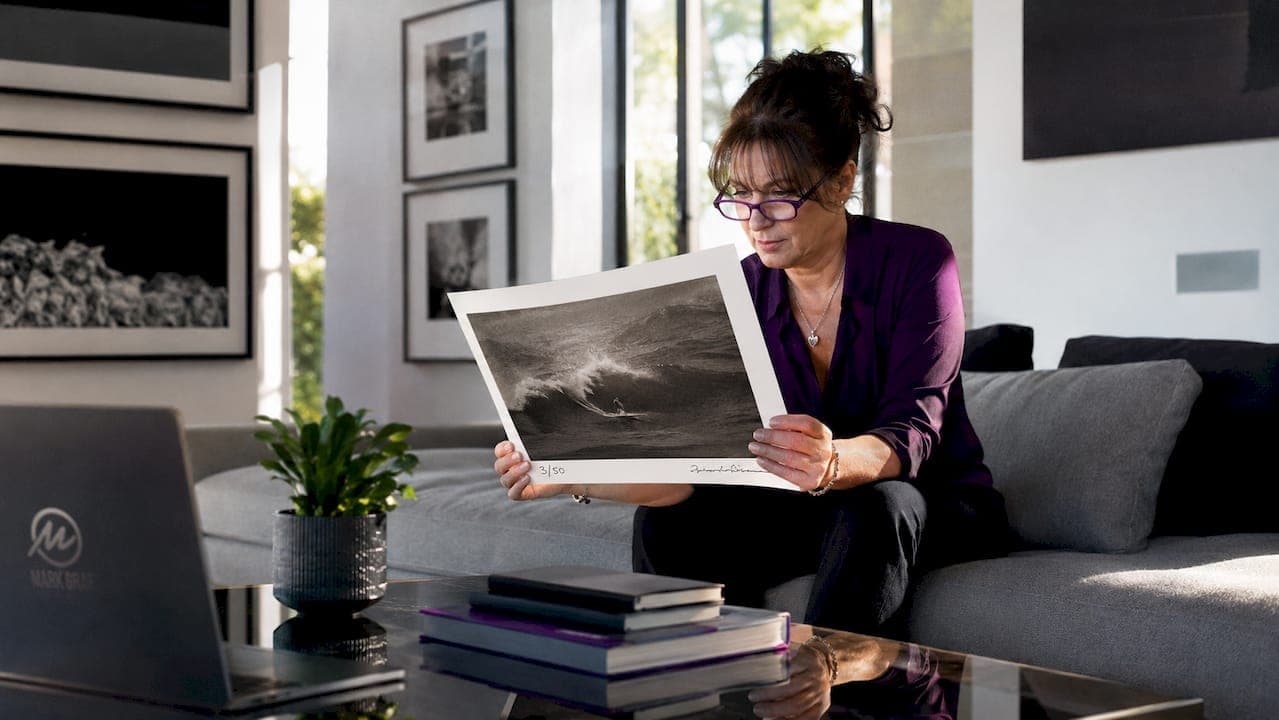
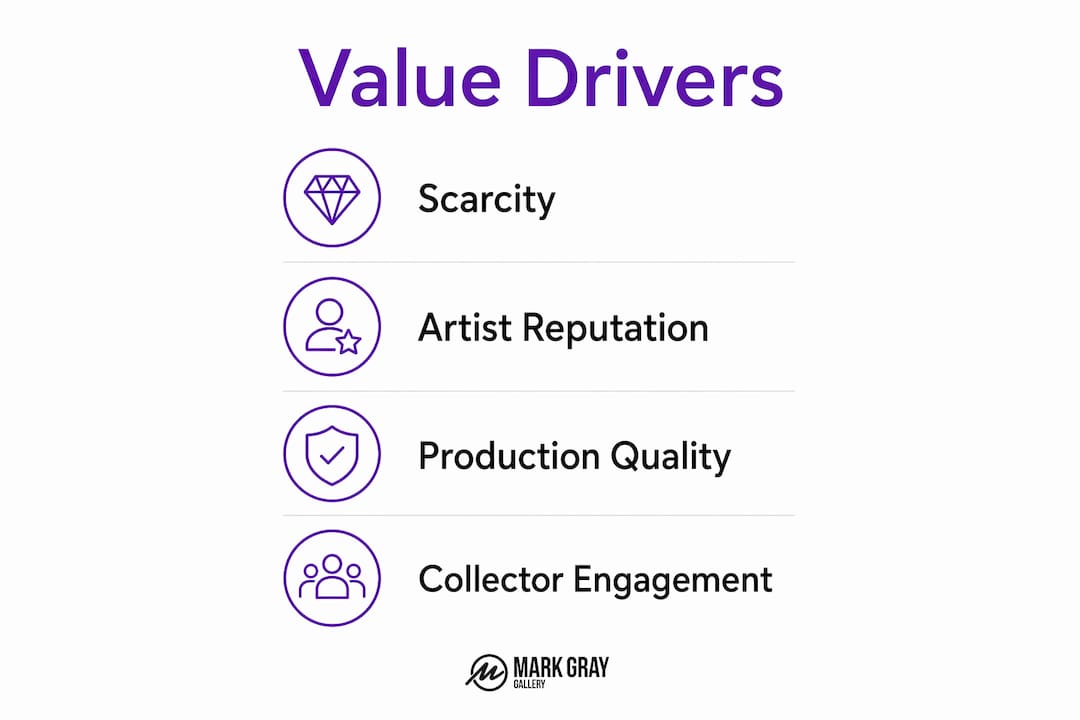
Limited editions are defined as prints or artworks produced in a fixed, numbered quantity with no reprints permitted, making each piece genuinely scarce and directly positioned to appreciate in value. Understanding why limited editions appreciate value requires looking beyond the obvious appeal of rarity. The four primary drivers of appreciation are a fixed small edition size, the artist's reputation growth, archival production quality, and active secondary market trading. Collectors who grasp all four factors make better purchases and hold works that grow in worth over time. Miss even one factor, and the risk of non-appreciation rises sharply.
Why do limited editions appreciate value?
Scarcity is the engine of limited edition value growth, but it only works when that scarcity is genuine and verifiable. A fixed edition size creates a hard ceiling on supply. When demand rises and no new prints can enter the market, prices move in one direction.
The contrast between small and large editions is stark in collector perception. An edition of 10 prints signals exclusivity and commands serious collector attention. An edition of 500 prints, while still technically limited, competes with itself across the market and rarely generates the same urgency or price growth. The importance of rarity in value is not just psychological. It is structural.
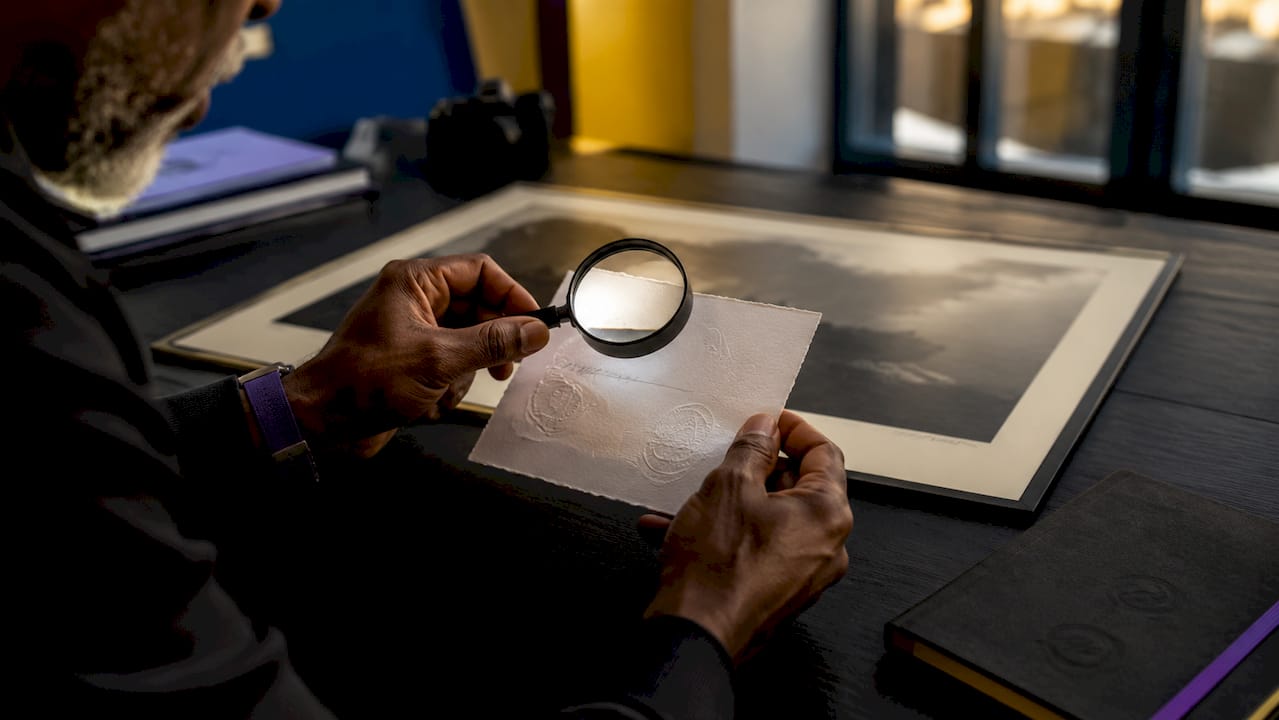
Edition documentation matters as much as the number itself. A sold-out edition with a verified certificate of authenticity, a numbered impression, and a clear publication record creates the paper trail that secondary market buyers and auction houses rely on. Without documentation, even a genuinely rare print struggles to command premium prices.
| Edition size | Scarcity signal | Typical collector perception | Value appreciation potential |
|---|---|---|---|
| 1–10 | Extremely high | Museum and serious collector grade | Very high |
| 11–50 | High | Premium gallery market | High |
| 51–150 | Moderate | Established collector market | Moderate |
| 151–500 | Low to moderate | Broad market, less exclusivity | Lower |
| 500+ | Minimal | Open edition territory | Minimal |
- Verify the edition size in writing before purchasing.
- Request the certificate of authenticity and check it matches the impression number.
- Confirm the edition is closed, meaning no further prints will be produced.
- Research how many impressions are actively circulating in the secondary market.
Pro Tip: Edition number psychology is real but misleading. Collectors psychologically prefer low numbers like 1/50, but professional valuers prioritize condition and the volume of impressions actively circulating in the market. A pristine 45/50 beats a damaged 1/50 every time.
How does artist reputation drive edition appreciation?
An artist's rising market trajectory is one of the strongest predictors of limited edition value growth. Early acquisition of developing artists' editions is one of the most effective appreciation strategies available to collectors. The logic is straightforward. As an artist gains critical attention, exhibition history, and a growing collector base, demand for their existing editions increases while supply stays fixed.
The signals of a rising artist trajectory are specific and observable:
- Solo and group exhibitions at recognized galleries or institutions
- Critical reviews in established art publications or photography journals
- Growing auction records and secondary market sales
- Acquisition by public collections or corporate art programs
- Award recognition from credible industry bodies
The distinction between lifetime and posthumous editions carries significant weight in valuation. Lifetime editions signed and approved by the artist command higher and more stable market prices. Direct artist involvement signals authenticity and artistic intent. Posthumous editions, even when institutionally legitimate, receive more conservative valuations because that direct connection is absent.
Artist signature and involvement in the proofing process also affect prestige. The collaborative relationship between an artist and a master printmaker, including the proof structure and approval process, directly influences artistic integrity and market standing.
"True value in a limited edition arises from combining factors like artist importance, historical significance, condition, and demand. Collectors who focus on a single metric miss the full picture and often overpay or undervalue what they hold."
Sotheby's, on evaluating limited edition works
Understanding what makes a print collectible goes hand in hand with tracking artist trajectory. A technically excellent print from an artist with no market presence will not appreciate at the same rate as a comparable work from an artist building genuine institutional recognition.
Does production quality affect long-term print value?
Production quality is the foundation that preserves value once all other factors are in place. Archival pigment inks, acid-free paper, and museum-grade UV-protective framing prevent the physical degradation that destroys both aesthetic appeal and monetary worth. Poor materials do not just look worse over time. They permanently reduce what a collector can recover at resale.
The most common mistakes collectors make in preservation include:
- Framing with non-archival, acidic mats that cause yellowing and foxing
- Displaying prints in direct sunlight without UV-protective glass
- Storing rolled prints in humid or temperature-variable environments
- Using adhesive tapes or non-archival mounting methods that damage paper fibers
- Neglecting to use spacers between the print surface and glazing
Pro Tip: Always ask the gallery or artist for the specific ink and paper specifications before purchasing. Archival pigment prints on acid-free fine art paper, framed with museum-grade UV glass, represent the gold standard. A professional framing guide can walk you through exactly what to request.
The condition of a print at the point of resale is one of the primary factors professional valuers assess. A print that has been stored correctly, displayed responsibly, and framed with archival materials will hold its value far more reliably than one that has been exposed to light damage, humidity, or poor handling. Collectors who invest in proper care protect both the artwork and their financial position.
How does collector engagement support value growth?
Collector engagement is the most underappreciated factor in limited edition value growth. Genuine care, display, discussion, and advocacy by collectors directly contribute to an artist's market reputation, which in turn enhances the value of every edition in circulation. Collectors are not passive holders. They are active participants in the market ecosystem.
An active secondary market creates liquidity and visibility for an artist's work. When editions trade regularly at auction or through reputable galleries, price benchmarks are established and publicized. Those benchmarks attract new collectors, which increases demand further. Provenance and exhibition history add layers of documented value that make a work easier to sell and easier to price.
"The editions market is complex and layered. Collectors benefit from understanding the specific segment they engage with, including provenance, proof structure, and publishing details. Different market layers govern value, pricing, and the questions collectors should be asking."
MyArtBroker, on navigating the editions market
Steps collectors can take to actively support value growth:
- Display the work in appropriate, high-visibility settings where it can be seen and discussed.
- Document provenance carefully, including purchase receipts, certificates, and any exhibition loans.
- Share the work through reputable channels such as collector groups, gallery events, or art fairs.
- Follow the artist's career and attend openings or events to stay connected to their market trajectory.
- Consult the secondary market activity for the artist before making additional purchases or deciding to sell.
Understanding how photographers price their prints also helps collectors evaluate whether a work is entering the market at a fair price relative to its edition size, artist standing, and production quality.
Key takeaways
Limited editions appreciate value when scarcity, artist reputation, archival production quality, and active collector engagement work together as a system, not in isolation.
| Point | Details |
|---|---|
| Scarcity requires verification | A fixed edition size only drives value when documented with certificates and a closed edition record. |
| Artist trajectory matters most | Early acquisition of a developing artist's editions is the strongest long-term appreciation strategy. |
| Production quality preserves worth | Archival pigment inks, acid-free paper, and UV-protective framing prevent permanent value loss. |
| Collector engagement is active | Displaying, documenting, and advocating for a work directly supports the artist's market reputation. |
| Edition number is secondary | Condition and circulating volume matter more to professional valuers than a low impression number. |
What I've learned about collecting limited editions
After years of working in fine art photography and watching collectors build and lose value in their collections, I have one consistent observation. The collectors who do best are the ones who resist the temptation to focus on a single metric.
I have seen collectors pay a premium for a 1/50 impression in poor condition while passing on a pristine 40/50 from the same edition. The low number felt more prestigious. The valuer disagreed. Condition and circulating volume told a different story, and the "prestigious" print sold for less at resale.
The other mistake I see regularly is treating edition size as the only scarcity signal. A small edition from an artist with no exhibition history, no critical attention, and no collector base is not scarce in any meaningful market sense. Scarcity only creates value when demand exists or is building. That demand comes from the artist's trajectory, not the number on the certificate.
My honest advice is to buy work that genuinely moves you, then do the research to confirm the market signals support your instinct. Passion and analysis are not opposites in collecting. The best collections I have seen are built by people who love what they own and understand why it is worth owning.
— Mark
Mark Gray's limited edition photography for serious collectors
Mark Gray is an internationally recognized Australian photographer whose award-winning landscape photography spans Australia, New Zealand, Norway, Iceland, French Polynesia, Spain, and the United Kingdom. Every print in the collection is produced to archival standards, with pigment inks and acid-free fine art paper that meet the preservation requirements serious collectors demand.
The editions are strictly limited in number, individually certified, and closed once sold out. That combination of verified scarcity, archival production quality, and a photographer with a growing international reputation makes these works a compelling choice for collectors at every level. Whether you are building your first collection or adding to an established one, Mark Gray's landscape photography offers a clear and considered entry point into the limited edition photography market.
FAQ
What makes a limited edition appreciate in value?
The four core drivers are a fixed small edition size, the artist's rising reputation, archival production quality, and active secondary market trading. All four factors must be present for reliable long-term appreciation.
Does edition number affect the price of a print?
Edition number has psychological appeal but limited valuation impact. Professional valuers prioritize print condition and the volume of impressions actively circulating in the market over a low impression number.
Are lifetime editions worth more than posthumous editions?
Lifetime editions signed and approved by the artist consistently command higher and more stable prices. Posthumous editions, even when legitimate, receive more conservative valuations because direct artist involvement is absent.
How should collectors store limited edition prints?
Store prints flat or framed with archival materials, away from direct sunlight, humidity, and temperature fluctuations. Museum-grade UV-protective glass and acid-free mats are the minimum standard for preserving long-term value.
Is investment in limited editions a reliable strategy?
Limited edition photography and fine art prints can appreciate significantly when the edition size is small, the artist's market trajectory is rising, and the work is maintained in excellent condition. No art investment is guaranteed, but informed collectors who evaluate all four appreciation factors reduce their risk considerably.