

A photography workshop business is a specialized educational venture where you teach photography skills and business insights through curated sessions to a targeted audience willing to pay for transformational learning and portfolio-building experiences. Unlike selling prints or licensing images, this model trades your expertise directly for income. The industry term for this model is "experiential photography education," and understanding that framing changes how you price, market, and deliver your work. Building a photography workshop business requires three things from the start: a defined niche, a structured curriculum, and a financial plan that accounts for both fixed costs and variable expenses. Get those three right, and you have a foundation worth building on.
What does building a photography workshop business actually require?
A photography workshop business sells transformation, not just technique. Successful workshops deliver business-minded growth, confidence, and portfolio assets that participants can use immediately. That distinction matters because it changes your entire value proposition and justifies premium pricing.
The structure of workshops varies widely by format and duration. Photography workshops in 2026 range from brief 2-hour sessions costing around $140 to intensive 2-day workshops priced up to $1,297, with participant limits typically between 6 and 10. Small cohort sizes are not a limitation. They are a feature, because they maximize individual instruction and produce stronger portfolio outcomes for each participant.
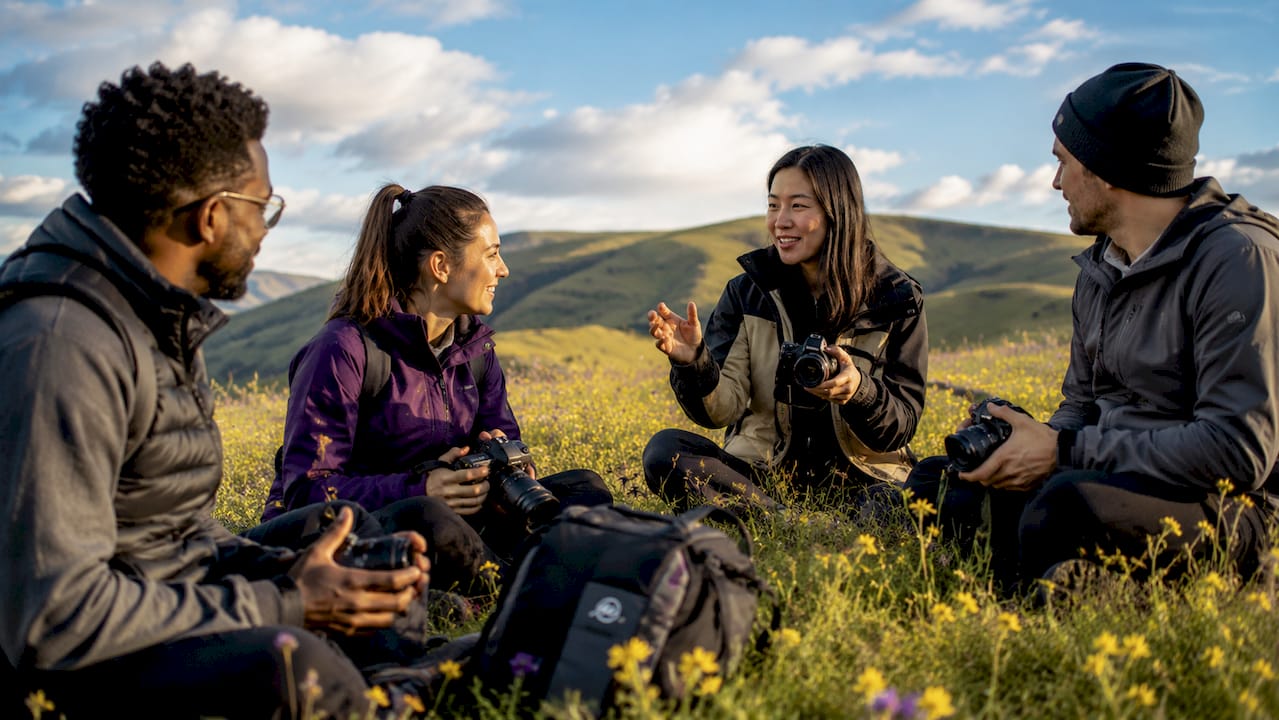
Clear market positioning from day one separates thriving workshop brands from generic offerings. You need to know who you are teaching, what specific outcome they will walk away with, and why your workshop delivers that outcome better than a YouTube tutorial or a self-paced online course. That clarity drives every decision that follows.
How do you identify the right niche and audience?
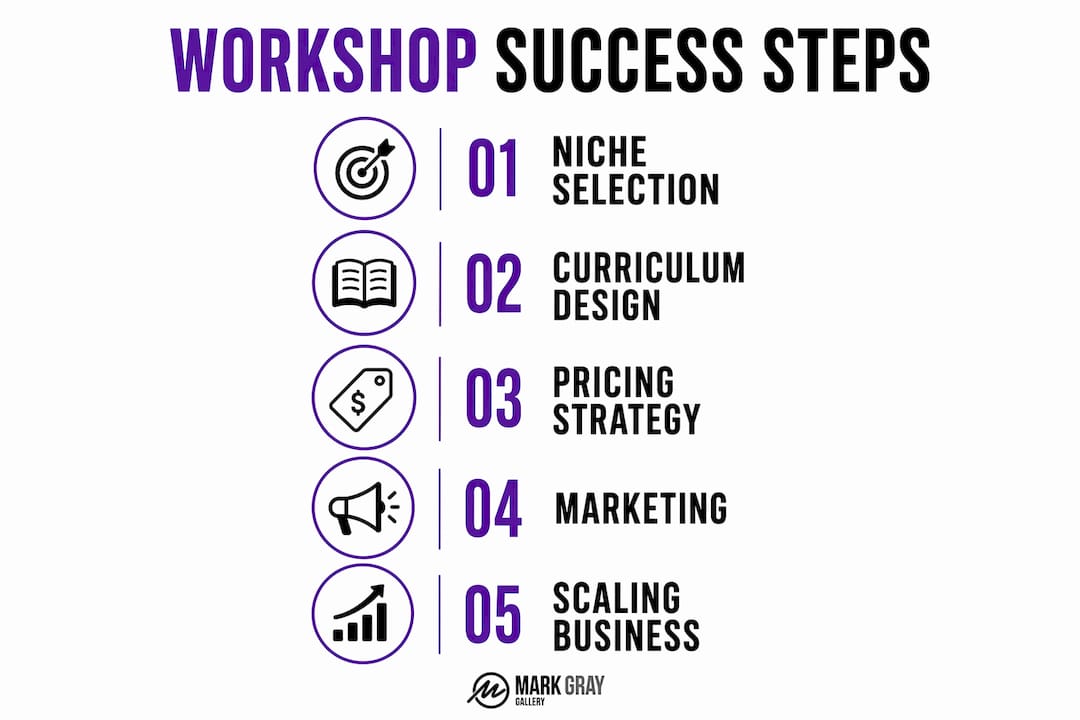
Niche specialization is the single most powerful lever in a workshop business. Broad, genre-agnostic workshops typically command lower fees and face harder marketing challenges. Specializing in a high-value area, such as architecture photography, commercial photography workshops, or interior photography training, lets you charge premium prices by solving specific problems for a targeted audience.
Here is a practical process for defining your niche:
- List your strongest technical skills. Identify the two or three areas where your photography work is genuinely excellent and where you have a real body of work to show.
- Map those skills to paying audiences. Architecture photography classes attract design professionals and real estate developers. Urban photography workshops attract street photographers and travel content creators. Real estate photography courses attract agents and property managers who need professional images fast.
- Research willingness to pay. Browse workshop listings in your chosen niche. Look at what participants say in reviews. Price sensitivity shows up clearly in the language people use when they describe value.
- Test your positioning with a small cohort. Run a single workshop at a modest price before committing to a full calendar. The feedback from that first group is worth more than any market research report.
Pro Tip: Specialization does not mean you can never expand. It means you build authority in one area first, then use that reputation to launch adjacent offerings with a warm audience already in place.
Market positioning and audience specialization differentiate thriving workshop brands from generic offerings. The photographers who charge $1,000 or more per seat are almost always the ones who have committed to a specific audience and a specific outcome.
How do you design a curriculum that participants will pay for?
A strong workshop curriculum rests on four pillars: technical skills, business strategy, operational workflow, and portfolio development. Industry-standard curriculum design teaches not just photography but sustainable business skills that participants can apply the day after the workshop ends. That combination is what separates a memorable workshop from a forgettable one.
Balancing hands-on practice with theory is the hardest part of curriculum design. A common mistake is front-loading too much theory and leaving too little time for shooting. A well-paced one-day workshop typically allocates no more than 30% of time to instruction and critique, with the remaining 70% spent on active shooting, editing review, and portfolio curation.
Key curriculum elements that increase perceived value include:
- Real-world shooting scenarios. Workshops that include commercial portfolio work with professional models and actual client storytelling command higher prices and attract more motivated participants.
- Building photo editing techniques. Dedicate a session to post-processing workflows specific to your niche. Architecture and interior photography training, for example, benefits from focused instruction on perspective correction and exposure blending in Adobe Lightroom or Photoshop.
- Guest speakers. A working art director or a commercial client who explains what they look for in a photographer adds credibility and real-world context that no instructor alone can provide.
- Portfolio review and critique. Structured critique sessions give participants a tangible output they can use immediately in their marketing.
For multi-day landscape photography workshop tours, pacing shifts significantly. Day one covers foundational technique and location scouting. Day two focuses on shooting in varied light conditions. Day three is reserved for editing, portfolio curation, and business strategy. That rhythm prevents fatigue and keeps participants engaged through the full program.
Pro Tip: Always send participants home with a finished portfolio piece, not just raw files. A polished, print-ready image they can publish immediately is the single most powerful proof of your workshop's value.
What pricing strategy works for a workshop business?
Pricing a workshop correctly requires separating two distinct cost categories. Fixed overhead costs include venue rental, insurance, marketing spend, and your time in curriculum development. Variable costs, also called cost of goods sold, include printed materials, catering, model fees, and any location permits. Mixing these two categories leads to underpricing, which is the most common financial mistake workshop operators make.
A practical pricing framework looks like this:
| Workshop format | Typical price range | Participant limit | Key cost driver |
|---|---|---|---|
| 2-hour introductory session | $140–$200 | 8–10 | Instructor time |
| Full-day intensive | $400–$700 | 6–8 | Venue and materials |
| 2-day advanced workshop | $900–$1,297 | 6–8 | Models, location, meals |
| Multi-day tour | $2,000+ | 6–10 | Travel, accommodation, guides |
Secondary revenue streams extend your income well beyond workshop fees. Licensing royalties and community memberships are two of the most reliable additions to a workshop-based income model. A membership community where past participants access ongoing critique, new content, and peer connection can generate consistent monthly revenue between workshop seasons.
Financial planning targets for workshop businesses typically aim for breakeven by Year 2. That timeline assumes you reinvest early revenue into marketing, curriculum refinement, and participant experience improvements. Cash runway planning for the first 12 months is non-negotiable. Know your monthly fixed costs before you sell a single seat.
Pro Tip: Price your first workshop at the mid-range for your niche, not the bottom. Launching cheap trains your audience to expect low prices and makes it harder to raise rates later without losing trust.
How do you market and scale a workshop business long-term?
Marketing a photography workshop business works best when you build a community, not just a customer list. Investing in participant experience quality leads to higher retention and more referrals, which are the most cost-effective growth channels available to a workshop operator. A participant who leaves with a strong portfolio and a memorable experience becomes a vocal advocate.
Here is how to build that community and scale it sustainably:
- Document everything visually. Photograph and film every workshop. Behind-the-scenes content on Instagram and YouTube builds social proof and attracts future participants who want to see what the experience actually looks like.
- Build an email list from day one. Every participant, inquiry, and website visitor should enter a nurture sequence. Email remains the highest-converting channel for selling high-ticket workshop seats.
- Automate your client journey. Scaling from solo operator to a multi-instructor workshop business requires back-end automation, client journey management, and delegated responsibilities. Tools like booking software, automated payment reminders, and pre-workshop email sequences free up your time for teaching and curriculum development.
- Introduce a referral program. Offer past participants a meaningful discount or a free add-on for every new participant they refer. Word-of-mouth referrals from satisfied photographers carry more weight than any paid advertisement.
- Plan for a second instructor early. The ceiling on a solo-operated workshop business is low. Bringing in a second qualified instructor, even part-time, doubles your capacity without doubling your workload. It also protects your business if you are unavailable for a scheduled date.
How to market photography workshops effectively also means knowing where your audience already spends time. Architecture photographers follow design publications and attend trade events. Real estate photography students gather in agent forums and property investment communities. Meet your audience where they are, rather than waiting for them to find you.
For photographers interested in how workshops fit into a broader income model, why photographers offer workshops as a top income stream is worth reading before you set your first pricing structure.
Key Takeaways
Building a photography workshop business succeeds when you combine a specialized niche, a transformation-focused curriculum, and a financial model that separates fixed costs from variable expenses.
| Point | Details |
|---|---|
| Niche before scale | Specialize in one audience and outcome before expanding to new workshop formats. |
| Curriculum pillars | Cover technical skills, business strategy, workflow, and portfolio development in every program. |
| Separate your costs | Always split fixed overhead from variable costs to price accurately and protect margins. |
| Secondary income | Add licensing royalties and community memberships to reduce dependence on workshop seat sales. |
| Automate early | Build booking, payment, and client journey systems before you need them, not after. |
What I have learned from years of running photography workshops
The biggest mistake I see aspiring workshop operators make is treating their workshop like a photography session with extra people in the room. A workshop is a distinct product. It has its own business model, its own marketing language, and its own delivery standards. The moment you start treating it that way, everything from pricing to participant satisfaction improves.
Consistent quality is the only real currency in this business. Participants talk. A workshop that delivers a polished portfolio piece and a clear skill upgrade generates referrals for months. A workshop that feels improvised or rushed generates refund requests and silence. I have seen photographers with extraordinary technical ability fail at workshops simply because they underestimated the operational side of the business.
Scaling beyond solo operation is genuinely hard, and most photographers wait too long to start building systems. The time to document your workflows, write your standard operating procedures, and identify a second instructor is during your second or third workshop, not your tenth. By the time you feel the ceiling, you are already behind. For photographers exploring the full range of workshop selection criteria, the operational details matter as much as the creative ones.
— Mark
Resources to help you build your workshop business
Com, the Mark Gray Gallery, offers photography courses and multi-day landscape photography workshop tours across Australia and worldwide. Whether you are building your first workshop program or refining an existing one, the resources and experiences available through Com reflect the same commitment to quality, portfolio-building outcomes, and participant satisfaction that this article describes.
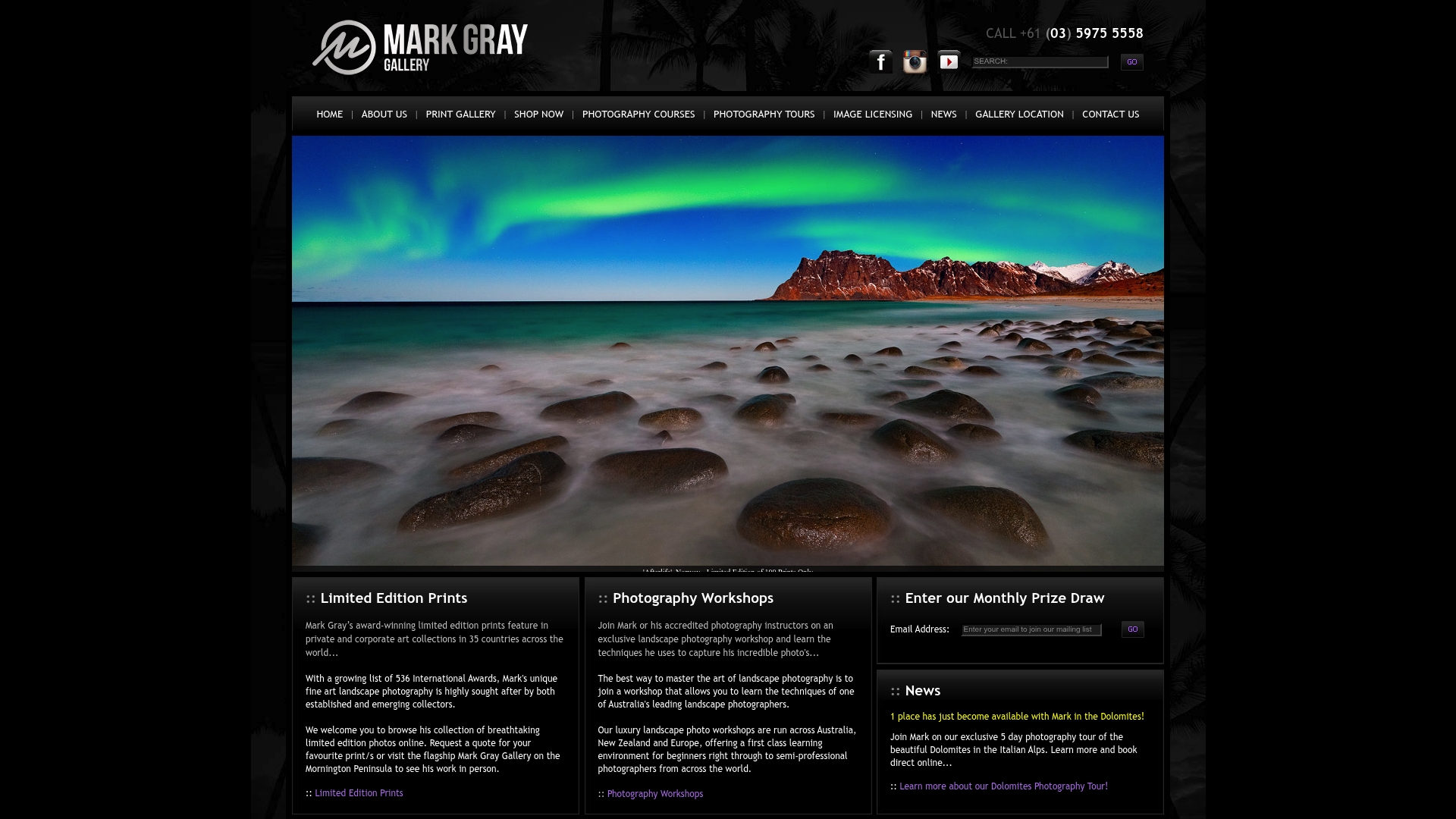
Explore the full range of photography workshops and tours at the Mark Gray Gallery, where every program is designed to produce inspiring results and lasting skills. For photographers looking at the broader business picture, the complete guide to wedding photography courses at Cinevisual Studios also offers useful perspective on how professional workshop businesses structure their operations and client experience.
FAQ
What is a photography workshop business?
A photography workshop business is an educational venture where a photographer teaches skills and business insights to paying participants through structured, curated sessions. The model sells transformational outcomes, including portfolio assets and business confidence, rather than just technical instruction.
How much should I charge for a photography workshop?
Workshop pricing in 2026 ranges from around $140 for a 2-hour session to $1,297 for a 2-day intensive, depending on niche, location, and included materials. Price based on the outcome you deliver and the costs you need to cover, not on what feels comfortable.
How do I attract students to my photography workshop?
Build a community around your brand through visual documentation, email marketing, and referral programs. Investing in participant experience quality generates the referrals and repeat bookings that sustain a workshop business long-term.
When does a photography workshop business become profitable?
Most workshop businesses reach breakeven by Year 2 when they combine workshop fees with secondary income streams like licensing royalties and community memberships. Accurate separation of fixed and variable costs is the key to hitting that target on schedule.
What niche works best for photography workshops?
Niches with clear professional applications, such as architecture photography, interior photography training, and real estate photography courses, attract motivated participants who are willing to pay premium prices for specific, career-relevant outcomes.