

Photography workshop selection criteria are the essential standards that determine whether a program genuinely advances your skills or simply takes your money. The best workshops share four qualities: expert instructors who can actually teach, small group sizes, structured curricula with post-processing sessions, and transparent pricing. Providers like Santa Fe Workshops and the Anders Petersen Workshop in Stockholm set the benchmark for what serious programs look like. This guide breaks down every factor you need to evaluate before you register.
1. Why instructor expertise is the top selection criterion
The most important factor in choosing a photography workshop is instructor teaching ability, not photographic fame. Instructor communication skills and feedback quality matter more for student outcomes than the instructor's personal portfolio or reputation. A photographer who has won awards does not automatically know how to explain aperture, light, or composition to someone else.
Look for instructors with documented teaching experience and verifiable student reviews. Watch any available sample lessons or video previews before committing. The Anders Petersen Workshop in Stockholm, for example, is known for its intensive critique model, where participants receive direct, structured feedback on their images rather than casual commentary.
Camera system compatibility also matters. Post-processing instruction now commonly covers Canon, Nikon, Sony, and Fujifilm workflows. If an instructor teaches exclusively in a system you do not use, the editing sessions will deliver far less value.
- Check for student testimonials that mention specific learning outcomes
- Look for instructors who list their teaching methodology, not just their awards
- Confirm the instructor leads the workshop personally rather than delegating to assistants
Pro Tip: Search the instructor's name on YouTube or Vimeo before registering. Even a five-minute sample lesson reveals how clearly they explain concepts and whether their style matches how you learn.
2. How group size shapes your learning experience
Group size is the single most underestimated factor in photography workshop evaluation criteria. Eight participants is the number that allows genuine one-on-one attention during field shoots and critique sessions. Groups above 16 make meaningful personalized feedback during a typical four-hour shoot practically impossible.
"Groups over 16 make meaningful critique within a 4-hour shoot impractical due to instructor limitations." — Travel Photography Workshops That Actually Improve Your Skills
The math is straightforward. With eight participants and a four-hour shoot, each photographer receives roughly 30 minutes of direct instructor attention. With 20 participants, that drops to under 12 minutes. That difference determines whether you leave with real corrections or just general encouragement.
| Group size | Instructor attention | Best for |
|---|---|---|
| 6–10 participants | High, personalized critique | Skill-focused learning |
| 10–16 participants | Moderate, group-oriented | Social and exploratory |
| 16+ participants | Low, lecture-style | Inspiration and motivation |
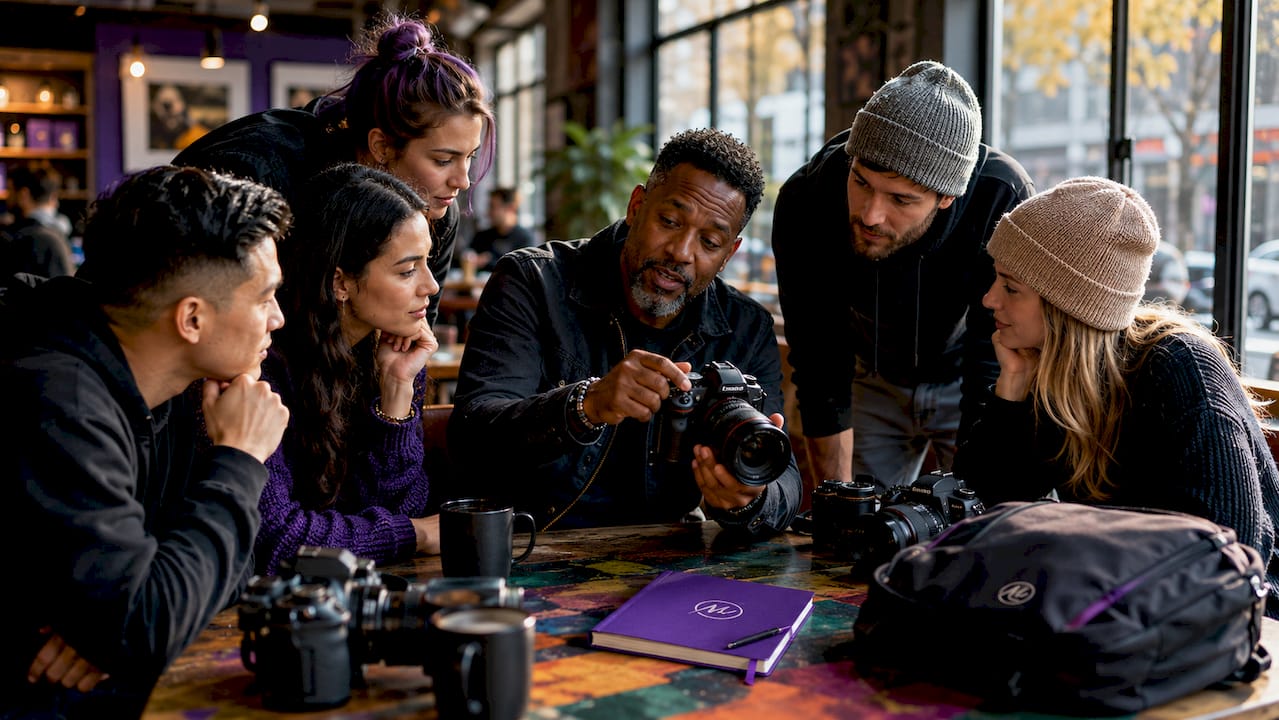
When comparing workshops, ask organizers directly for their maximum enrollment number. If they are vague, treat that as a warning sign.
3. Evaluating curriculum content and daily structure
A strong curriculum is the backbone of any quality photography workshop. Workshops that include scheduled Lightroom Classic or Capture One post-processing sessions and daily image critiques produce measurably better outcomes than those relying on ad-hoc Q&A. Structured learning beats informal conversation every time.
Review the daily itinerary before you pay. A well-designed program balances in-field shooting during golden hour, classroom or lodge-based editing sessions, and group critique time. Clear daily plans with built-in flexibility produce better learning outcomes than rigid schedules that rush participants through locations.
The curriculum should also match your skill level and genre. A landscape-focused itinerary built around long exposures and wide-angle composition will not serve a street photographer looking to develop their eye for candid moments. Mismatched curricula are one of the most common reasons photographers leave workshops disappointed.
- Confirm the workshop includes dedicated post-processing sessions, not just field time
- Look for daily image critiques that go beyond casual feedback
- Verify the curriculum covers both technical skills and compositional storytelling
- Check that golden hour shoots are scheduled, not optional or weather-dependent
Pro Tip: Ask the organizer for a sample day-by-day itinerary before registering. Any reputable workshop will provide one. If they cannot, the program likely lacks the structure needed for real skill development.
You can also explore skills taught in landscape courses to understand what a well-rounded curriculum looks like in practice.
4. The role of logistics and price transparency
Logistics determine whether you arrive at each shoot energized or exhausted. Comfortable lodging, reliable transport between locations, and quality meals are not luxuries. They are the practical foundation that allows you to focus on learning rather than managing discomfort.
Transparent pricing that clearly lists what is included, such as accommodations, meals, transport, permits, and equipment hire, is a mark of a professionally run program. Hidden costs that surface after registration reduce the perceived value of even an excellent workshop. Always request a full inclusions list before you commit.
Seasonal timing also affects the quality of your photographic opportunities. A workshop in Iceland in december offers dramatic low-angle light and potential aurora conditions. The same location in june delivers near-constant daylight that changes the entire creative challenge. Match the timing to the type of images you want to make.
- Request a written inclusions list covering accommodation, meals, transport, and permits
- Ask whether park entry fees and location permits are included in the price
- Check cancellation and refund policies before paying any deposit
- Confirm the accommodation standard and distance from shooting locations
The Anders Petersen Workshop in Stockholm takes logistics seriously enough to require a portfolio submission of 20–30 images before acceptance. That level of rigor signals a program that values participant compatibility and learning intensity equally.
5. Matching workshop type and location to your goals
The right workshop type depends entirely on where you are in your photographic development. Workshop costs range from $150 to over $18,000 depending on duration, location, and format. That range reflects genuinely different experiences, not just price inflation.
Beginners benefit most from local one-day workshops focused on technical fundamentals such as exposure, composition, and basic editing. These programs keep costs low and allow you to practice new skills in familiar environments without the distraction of an unfamiliar destination.
Intermediate photographers thrive in multi-day retreats that push beyond technical basics into composition, storytelling, and personal style. A three-to-five day program in a visually rich location, such as the Blue Mountains in Australia or the fjords of Norway, provides enough time to develop and refine a body of work.
Advanced photographers gain the most from exclusive international tours and workshop tours with expert instructors in locations that demand technical and creative mastery. These programs often include access to restricted locations, pre-dawn starts, and intensive critique sessions that challenge even experienced shooters.
| Workshop type | Duration | Typical cost | Ideal skill level |
|---|---|---|---|
| Local day workshop | 1 day | $150–$500 | Beginner |
| Multi-day retreat | 3–5 days | $500–$3,000 | Intermediate |
| International tour | 7–14 days | $3,000–$18,000+ | Advanced |
Understanding what distinguishes a workshop tour from a standard class helps you set realistic expectations before you book.
6. Checking prerequisites and application requirements
Some of the best workshops in the world are selective by design. The Anders Petersen Workshop requires applicants to submit 20–30 images in a zip file, named by sequence, with a maximum file size of 20MB. That requirement exists to align participant skill levels and protect the learning environment for everyone enrolled.
Prerequisites signal program quality. A workshop that accepts anyone with a credit card is not curating a learning environment. One that reviews your portfolio before accepting you is investing in the group dynamic as much as the curriculum.
If a workshop does not have formal prerequisites, look for other signals of selectivity. Limited enrollment, waitlists, and application-based registration all suggest the organizer takes participant quality seriously. These are positive indicators when you are choosing a photography workshop.
7. Reading reviews and verifying past participant outcomes
Reviews are your most reliable external data point when evaluating any workshop. Look for reviews that describe specific outcomes: "I finally understood how to expose for foreground interest" is more useful than "great experience." Specific outcomes indicate real instruction happened.
Verify reviews across multiple platforms. A workshop with 50 five-star reviews on its own website but mixed feedback on photography forums deserves closer scrutiny. Independent communities like photography subreddits or dedicated Facebook groups often surface honest assessments that promotional pages do not.
Ask the organizer directly for references from past participants. A confident, reputable program will connect you with former students without hesitation. That conversation can reveal details about pacing, instructor availability, and real-world logistics that no brochure will tell you.
For broader context on what makes workshops worth attending, the photography stories and tips community offers candid peer perspectives from photographers at every level.
Key takeaways
The most effective photography workshop selection criteria center on instructor teaching quality, group size, curriculum structure, and full-cost transparency because these four factors directly determine your skill growth and overall experience.
| Point | Details |
|---|---|
| Instructor teaching ability | Prioritize proven teaching skill and feedback quality over photographic fame or awards. |
| Group size limit | Choose workshops capped at 8–10 participants to receive meaningful one-on-one critique. |
| Structured curriculum | Confirm the program includes post-processing sessions and daily image critiques, not just field time. |
| Transparent pricing | Request a full inclusions list covering accommodation, meals, transport, and permits before paying. |
| Match type to skill level | Beginners suit local day workshops; advanced photographers gain most from international tours. |
What I have learned about choosing the right workshop
I have attended and led enough workshops to know that the destination is the last thing you should evaluate. Photographers regularly book programs in spectacular locations and come home with nothing but snapshots because the instruction was thin and the group was too large for anyone to receive real feedback.
The uncomfortable truth is that a skilled teacher in an ordinary location will improve your photography faster than a famous photographer in Iceland who cannot explain why your histogram is clipped. Teaching is a craft separate from image-making. When I run workshops, I spend as much time thinking about how to explain a concept as I do scouting the location.
Post-processing training is the element most photographers undervalue until they experience it properly. Understanding post-processing in landscape photography transforms what you see in the field because you start visualizing the final image before you press the shutter. A workshop that skips this step is giving you half an education.
My advice: ask three questions before you register. What is the maximum group size? Can I see the day-by-day itinerary? And will the lead instructor personally deliver all sessions? The answers will tell you everything you need to know.
— Mark
Explore Mark Gray's award-winning photography workshops
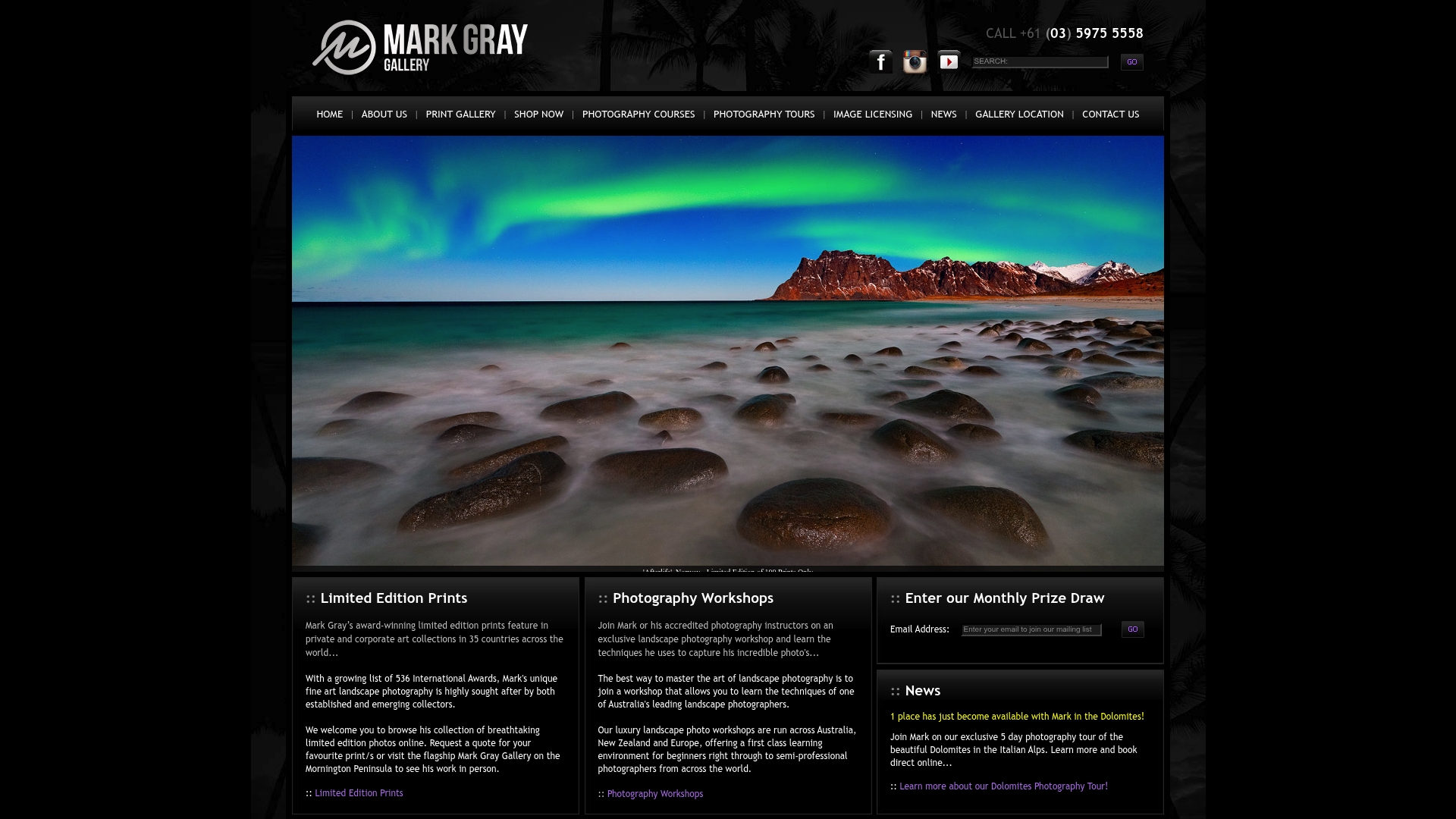
Mark Gray is an internationally recognized Australian landscape photographer whose workshops are built around the criteria that matter most: small groups, expert instruction, structured curricula, and locations that inspire serious creative work. Programs run across Australia and internationally, covering destinations from the Australian outback to Iceland and French Polynesia.
Every workshop is designed to deliver measurable skill growth, with dedicated post-processing sessions, golden hour field shoots, and daily critique built into the schedule. Group sizes are kept intentionally small to protect the quality of instruction. If you are ready to invest in your photography with a program that takes your development seriously, visit Mark Gray's workshop offerings to explore available dates and register.
FAQ
What are the most important photography workshop selection criteria?
The top criteria are instructor teaching ability, group size, curriculum structure, and pricing transparency. These four factors directly determine how much you learn and how well the experience is organized.
How many participants should a quality photography workshop have?
The ideal group size is around 8 participants. Groups above 16 make personalized critique during a four-hour field shoot impractical, which significantly reduces learning value.
Should a photography workshop include post-processing training?
Yes. Workshops that include scheduled Lightroom Classic or Capture One sessions produce better outcomes than those focused solely on field shooting. Post-processing training connects what you capture in the field to the final image you produce.
How much does a photography workshop typically cost?
Costs range from $150 for a local one-day workshop to over $18,000 for an extended international tour. Price reflects duration, location, group size, and the level of instruction provided.
What should I ask an organizer before booking a photography workshop?
Ask for the maximum group size, a day-by-day itinerary, and confirmation that the lead instructor personally delivers all sessions. These three questions reveal whether the program is structured for genuine skill development or simply organized around a destination.