
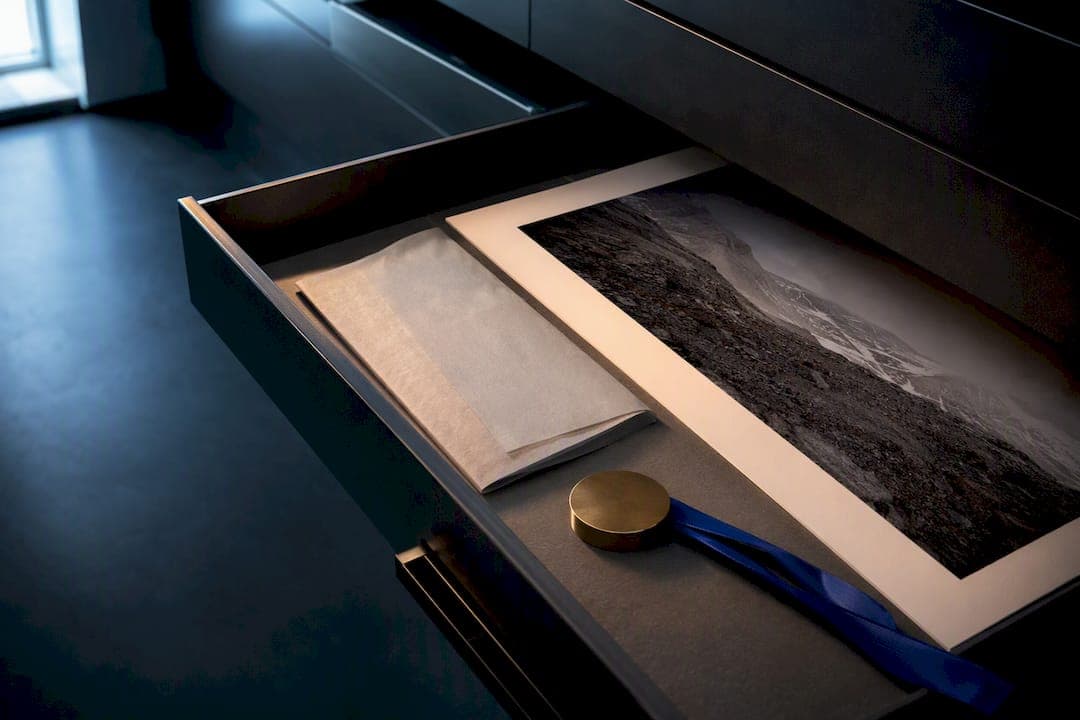
Limited editions hold or increase resale value reliably only when three conditions line up: genuine scarcity, documented provenance, and sustained demand for the artist or brand. Miss any one of those, and a "limited" release can lose value as fast as an open one. The rest of this guide breaks down exactly how to tell the difference before you buy, and how to sell smart when the time comes.
TL;DR:
- Limited editions retain or increase value only with genuine scarcity, documented provenance, and consistent demand, not just with a small run size.
- Printed edition numbers under 250 tend to be more valuable, but provenance and collaborations significantly boost resale premiums.
- Resale channels vary in trust and fees, with specialist marketplaces and auction houses preferred for high-value items, while peer-to-peer platforms have lower costs but higher risks.
- Proper documentation—certificates, ownership history, and gallery records—is crucial for authenticating and maximizing resale value.
- Cultural hype triggers quick price spikes, but steady demand based on artist reputation and consistent gallery presence ensures more stable resale prospects.
Table of Contents
- Understanding the Limited Edition Resale Market and Its Terminology
- What Actually Drives Resale Premiums: Scarcity, Provenance, and Collaborations
- How the Secondary Market for Limited Editions Actually Works
- A Practical Valuation Checklist Before You Buy or Sell
- Market Trends and Data Behind the Resale Growth
- Choosing the Right Channel and Timing to Sell
- Risks, Red Flags, and Setting Realistic Expectations
- How a Working Gallery Documents and Values Limited Editions
- Legal and Tax Considerations in Limited Edition Resale
- Strategies for Authenticating Limited Edition Items
- How Cultural Trends and Hype Cycles Move Resale Prices
- What Collectors Get Wrong About Chasing Resale Value
- Buy From a Source That Documents Every Edition Properly
- Sources
Understanding the Limited Edition Resale Market and Its Terminology
Before you evaluate anything for resale, you need to know what "limited" actually means on a certificate. The term gets used loosely across art, sneakers, and collectibles, and sloppy definitions lead to bad purchases.
A numbered limited edition carries a fixed print or production run, usually shown as a fraction (e.g., 45/250), where the denominator caps total supply forever. Hors commerce (HC) pieces are proofs marked "not for trade," originally intended for exhibitions or press, though they do change hands in the resale market. An open edition has no fixed cap and can theoretically be reprinted indefinitely, which is why open editions almost never command the same secondary premiums as numbered work.
The practical differences that matter to a buyer:
- Numbered editions with small runs (under 100) tend to hold value better than runs in the thousands.
- APs and HCs can be scarcer than the numbered run itself, but only if the artist's market rewards that scarcity.
- Open editions rarely appreciate; they're priced for accessibility, not investment.
Photography operates by the same logic as painting or print collaborations. A photographer who caps a landscape print at 50 copies worldwide is making the same scarcity commitment a sneaker brand makes when it drops 500 pairs.
What Actually Drives Resale Premiums: Scarcity, Provenance, and Collaborations
Scarcity alone doesn't create value. A poorly marketed edition of 20 can sit unsold for years, while a well-documented edition of 200 can sell out and appreciate. What separates the two is perceived scarcity backed by verifiable provenance.
Provenance covers the paper trail: signed certificates of authenticity, exhibition history, gallery invoices, and chain-of-ownership records. Analysts tracking the broader resale space report that collectors increasingly favor rarer, provenance-backed items and collaborations, which tend to command stronger premiums than unverified pieces of similar rarity. That shift rewards sellers who kept their paperwork and penalizes those who didn't.
Collaborations and named partnerships add a second layer of demand, similar to the dynamics seen in a trade-only interior design showroom in Westminster where industry collaborations fuel market interest. A limited print tied to a notable exhibition, a brand collaboration, or a milestone event usually draws buyers who wouldn't otherwise follow that artist's catalog.
Statistic Callout: The global luxury resale market was valued at USD 32.47 billion in 2024, projected to reach USD 50.06 billion by 2030, a compound annual growth rate near 7.48%. Growth at that pace signals real, sustained buyer demand across categories, not a short-term fad.
- Edition size sets the ceiling on scarcity, not the value itself.
- Certificates, gallery documentation, and exhibition history convert scarcity into trust.
- Collaborations and named drops widen the buyer pool beyond existing collectors.
How the Secondary Market for Limited Editions Actually Works
Limited editions change hands through five main channels, and each one serves a different type of seller and buyer.
- Peer-to-peer marketplaces (general resale apps and forums) offer the lowest fees and fastest listing speed, but buyers here are price-sensitive and provenance often goes unverified.
- Specialist collectible marketplaces cater to a narrower, more informed buyer base willing to pay for authentication. Services like myGemma, which handles authenticated luxury consignment, illustrate how dedicated platforms build trust into the transaction itself, reporting faster sell-through on items with documented authenticity.
- Consignment through a gallery or specialist dealer shifts the sales work to a third party in exchange for a commission, typically 20% to 40%, but taps a buyer list the seller couldn't reach alone.
- Auction houses suit high-value, well-documented pieces where competitive bidding can push prices above private-sale estimates, though buyer's premiums and lengthy consignment timelines apply.
- Direct gallery resale or buyback works best for editions the original publisher still tracks closely, since the gallery already holds the provenance records.
Economic research on resale behavior finds that many buyers purchase limited editions with resale already in mind, using digital platforms to treat reselling as a repeatable strategy rather than a one-off transaction. That shift explains why peer marketplaces have grown so fast: they lowered the barrier to flipping.
A Practical Valuation Checklist Before You Buy or Sell
Run any limited edition through these six checkpoints before you commit money either direction.
- Edition size. Smaller absolute runs (under 250) generally hold value better than runs in the thousands, all else equal.
- Edition number. Low numbers (1/50, 5/50) sometimes carry a premium among serious collectors, though this matters far less than overall demand for the piece.
- Artist or brand track record. Has this artist's past work appreciated, held flat, or declined at resale? Past performance isn't a guarantee, but it's the closest thing to a track record you'll get.
- Condition. Foxing, fading, handling creases, or frame damage can cut resale value by half or more, especially on paper-based work.
- Provenance strength. A signed certificate, original invoice, and clean ownership history matter as much as the object itself.
- Sold comps. Search completed sales, not active listings, on the platform where you're buying or selling. Active listings show hope; sold comps show reality.
Finding sold comps takes some digging. Auction house archives, specialist marketplace "sold" filters, and pricing tools that pull historical data across platforms all help here, since tools that aggregate sold listings give resellers a faster, more accurate read on fair market value than guesswork. Adjust any comp downward by expected consignment fees and shipping before you set your own price.
Pro Tip: If a piece has no traceable sold comps at all after a reasonable search, treat that as a liquidity warning, not a pricing gap you get to invent. Thin trading history often means thin demand.
For anything above a few thousand dollars, a written appraisal from an independent expert or the issuing gallery is worth the fee before you sell.
Market Trends and Data Behind the Resale Growth
The resale market for rare and limited items isn't a niche curiosity anymore. It's a fast-growing segment of the broader collectibles economy, with the luxury resale sector alone projected to grow from USD 32.47 billion to USD 50.06 billion by 2030.
Statistic Callout: Survey data on resale behavior shows younger buyers in their 20s and 30s increasingly treat limited-edition purchases as both personal expression and a secondary income stream, reselling through the same platforms where they bought.
Handbags and designer accessories currently dominate luxury resale value in dollar terms, but that dominance reflects transaction volume more than universal liquidity. Fine art prints, photography editions, and collectible ephemera trade in smaller numbers with longer holding periods, so treat headline luxury-category figures as directional rather than a direct read on how a photography edition will perform.
Choosing the Right Channel and Timing to Sell
Selling well is less about finding a single "best" platform and more about matching the piece to the right audience.
- Match the channel to value. Lower-value pieces move fastest on peer marketplaces; five-figure works usually perform better through a specialist dealer or auction house with a targeted buyer list.
- Document everything before listing. Multiple photos in natural light, close-ups of edition numbers and signatures, and a written condition report reduce buyer hesitation and disputes.
- Price against sold comps, not asking prices. Set a realistic reserve if using auction format, or a firm buy-it-now price if you want a faster, more predictable sale.
- Factor in every fee before setting your floor. Consignment commissions, buyer's premiums, payment processing, and shipping insurance can eat 20% to 40% of the sale price depending on channel.
- Time the listing around demand spikes, such as an artist anniversary, a related exhibition, or renewed press coverage, rather than selling into a quiet period.
Our own pricing guide for landscape photography prints breaks down how publishers set initial pricing, which is useful context before you set a resale ask.
Risks, Red Flags, and Setting Realistic Expectations
Not every limited edition is a good resale bet, and pretending otherwise sets buyers up for disappointment.
- Counterfeits and misdescription are the biggest risk in unregulated peer markets; always request high-resolution images of certificates and edition numbers before paying.
- Overhyped drops driven by social media buzz often crash in secondary value once the initial excitement fades, particularly for brand collaborations with no lasting artistic merit.
- Illiquidity is common for niche categories. A piece can be genuinely rare and still take years to find the right buyer.
- Fees and taxes eat into returns more than most first-time sellers expect, sometimes turning an apparent profit into a wash.
- Emotional attachment clouds judgment. If you wouldn't buy a piece without the resale story attached, it's probably not a sound purchase for resale purposes.
How a Working Gallery Documents and Values Limited Editions
Mark Gray's gallery, built around internationally exhibited landscape photography, treats provenance as inseparable from value. Every numbered print ships with a certificate of authenticity, and edition records are kept centrally rather than left to buyer memory.
- Archival paper stock and pigment inks are specified per edition, since print state and materials directly affect long-term preservation.
- Condition and edition documentation get referenced in pricing decisions, not treated as an afterthought at resale time.
- Collectors researching edition strategy can review our guide to how limited editions appreciate for deeper context.
Legal and Tax Considerations in Limited Edition Resale
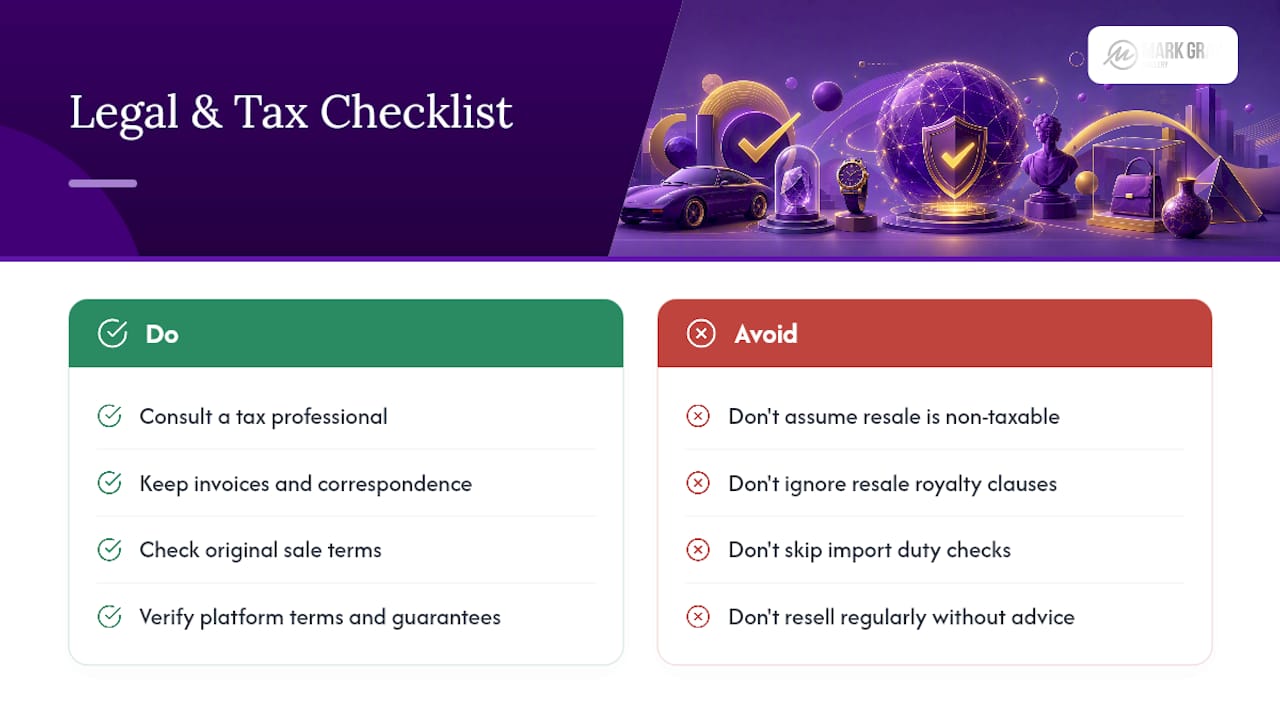
Selling a limited edition print, sneaker, or collectible for a profit typically creates a taxable event, and the details vary meaningfully by country and by how often you sell. In Australia, occasional resale of a personal collectible may fall under capital gains tax rules, while frequent, business-like reselling can be treated as ordinary income by the Australian Taxation Office instead. The distinction usually comes down to intent, frequency, and whether you're operating with a profit motive rather than simply liquidating a personal collection. Anyone reselling regularly or at meaningful volume should speak with a tax professional about how their specific activity gets classified, since guessing wrong here carries real financial consequences.
Beyond tax, resale carries contractual and consumer-protection dimensions worth knowing. Some artists and publishers include resale royalty clauses or right-of-first-refusal terms in original sale agreements, particularly in the fine art market, and violating those terms can expose a seller to legal claims. Auction houses and consignment platforms also carry their own terms governing authenticity guarantees, refund windows, and dispute resolution, which differ by platform and jurisdiction. Import duties can apply when a piece crosses borders during resale, adding cost on both the buying and selling side that's easy to overlook until the invoice arrives.
None of this should scare a serious collector away from the market. It should just push you toward keeping clean records, invoices, and correspondence for every piece you buy and sell. Good documentation protects you both at tax time and if a dispute ever arises over authenticity or terms.
Strategies for Authenticating Limited Edition Items
Authentication starts with the paper trail, not the object itself. A certificate of authenticity should specify the edition number, total run size, medium, and the artist's or publisher's signature, ideally matched against a sample the issuing gallery or brand has on file. When buying from a source other than the original publisher, ask directly whether they can verify the certificate against gallery records, since a certificate alone can be forged just as easily as the item it describes.
Physical inspection matters just as much. For photography and fine art prints, check that paper stock, ink saturation, and print quality match known examples from the same edition, since reprints or unauthorized copies often show subtle differences under close inspection or UV light. For collectibles like sneakers or collaborations, matching stitching, materials, and packaging against verified examples from the brand's own archive catches most fakes before money changes hands.

Third-party authentication services add a layer of protection for high-value purchases, particularly in categories like luxury handbags and sneakers where counterfeiting is widespread. These services physically inspect an item and issue their own certification, which resale platforms increasingly treat as a trust signal that speeds up sale.
Buying directly from the original publisher or gallery remains the safest route when it's available, since gallery-documented provenance eliminates most authentication guesswork from the start. When buying secondhand, always request the full chain of ownership: who bought it originally, how many times it's changed hands, and whether documentation followed the piece at every step. A gap anywhere in that chain is a reason to negotiate the price down or walk away entirely.
How Cultural Trends and Hype Cycles Move Resale Prices
Resale prices for limited editions rise and fall with cultural attention in ways that have little to do with an item's underlying craftsmanship or rarity. A collaboration tied to a viral moment, a celebrity endorsement, or a trending exhibition can send secondary prices well above the original retail price within weeks, then watch that premium evaporate just as fast once public attention moves elsewhere.
Sneaker collaborations offer the clearest example of this pattern outside fine art: a hyped release can flip for multiples of retail on release day, then settle back toward retail or below within a year once the cultural moment passes. Fine art and photography editions move more slowly, but they're not immune. An artist who receives sudden press attention, wins a major award, or gets featured in a widely shared exhibition can see secondary demand for existing editions spike temporarily, particularly for older, harder-to-find pieces from earlier in their career.
The lesson for collectors evaluating resale potential is to separate durable demand from momentary buzz. Durable demand comes from an artist's or brand's sustained body of work, consistent gallery representation, and a track record across multiple editions, not a single viral moment. Momentary buzz inflates prices fast and deflates them just as quickly once the next trending story replaces it.
Buying purely to ride a hype cycle is a short-term speculation play, not a collecting strategy, and it carries real risk of buying at the peak. Collectors who focus on artists and categories with steady, multi-year demand tend to see more predictable resale outcomes than those chasing whatever collaboration is trending this month.
What Collectors Get Wrong About Chasing Resale Value
Two mistakes come up constantly in this market. The first is treating edition number as more important than edition size and artist demand combined. The second is chasing hype instead of documentation.
Favor pieces with clean provenance and patience over quick flips. The collectors who do well aren't the ones moving fastest.
— Mark
Buy From a Source That Documents Every Edition Properly
Mark Gray's landscape photography prints are offered as numbered, gallery-documented limited editions, precisely the kind of provenance foundation this guide recommends building before you ever think about resale. Every print carries a certificate of authenticity, and archival materials are chosen specifically to protect long-term condition and preservation.
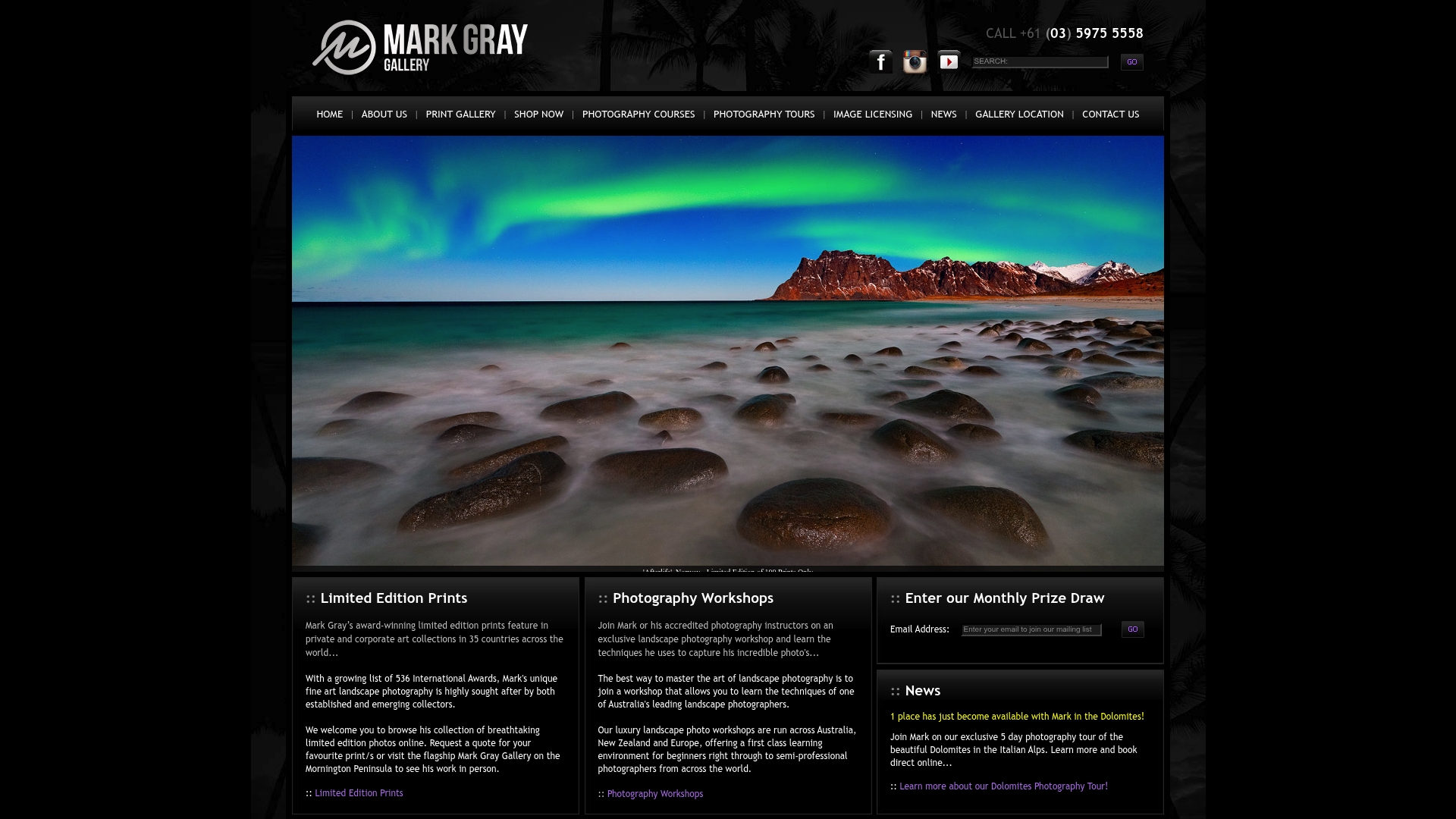
Beyond prints, the gallery offers collector guides for buyers researching value and edition strategy, stock image licensing for commercial use, and both single-day and multi-day photography workshops for those who want to understand the craft firsthand. If you're building a collection with resale potential in mind, start by browsing current limited edition prints available now and reviewing the certificate and edition details listed on each piece before you buy.
Sources
- Luxury Resale Market Trends, Insights & Forecast 2030
- The Identity Selector: Persistence Service (resale consumption study)
- Luxury resale market research report