
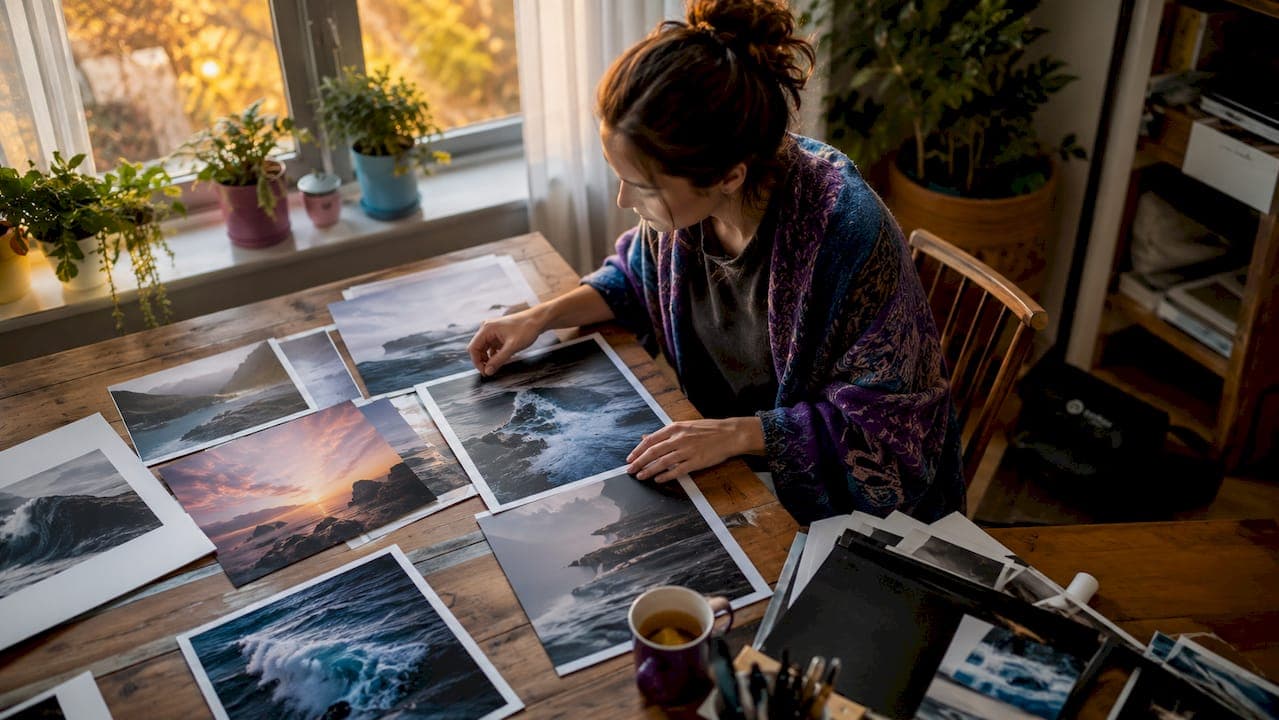
Marketing fine art photography online is the practice of using digital channels, including Instagram, Pinterest, SEO, and email marketing, to build visibility, attract collectors, and generate consistent print sales. The industry term for this practice is digital marketing for photographers, and it requires a deliberate, multi-channel system rather than occasional social media posts. Photographers who treat their online presence as a structured business asset, not a hobby feed, consistently outperform those who rely on a single platform. This guide covers every layer of that system, from platform selection and print pricing to SEO and email campaigns, so you can build sustainable sales from your fine art work.
What marketing system drives consistent fine art photography sales online?
The most effective approach to marketing fine art photography online runs four channels in parallel: a defined niche, Instagram and Pinterest for organic discovery, local SEO for high-intent traffic, and email automation for conversions. Each channel serves a distinct role. Removing any one of them weakens the entire system.
Here is how each layer functions:
-
Define your artistic niche. Collectors buy from photographers with a clear, recognizable point of view. A photographer known for dramatic Icelandic landscapes attracts a specific, motivated buyer. A photographer who posts everything from street scenes to macro flowers attracts no one in particular. Narrowing your niche is the single most powerful positioning decision you can make.
-
Use Instagram as a consideration channel. Instagram maintains presence during the period when a potential buyer is deciding whether to trust you, not when they are ready to purchase. Post finished work, behind-the-scenes process shots, and client testimonials. Posting 4 to 7 times weekly across these content types keeps your work visible without burning out your audience.
-
Use Pinterest as a search engine. Pinterest content has a lifespan measured in months, not hours. A pin of your Norway fjord print can drive traffic to your shop two years after you posted it. Pinterest outperforms Instagram in sustained, long-term traffic for fine art photographers because buyers use it to plan purchases and decorate spaces.
-
Optimize for local SEO. A Google Business Profile with 100 or more photos generates 520% more calls than profiles with fewer than 10 images. That is not a marginal improvement. It is the difference between being found and being invisible to buyers searching in your region.
-
Build and nurture an email list. Email converts more reliably than any social platform because subscribers have actively chosen to hear from you. A monthly newsletter with new print releases, behind-the-scenes stories, and limited-time offers consistently outperforms a large but passive social following.
Pro Tip: Never rely on a single platform. Algorithm changes, account suspensions, and platform pivots are real risks. Owning your email list is the only audience you truly control.
Which platforms best support selling fine art photography online?
Choosing the right platforms is one of the most consequential decisions in your online photography marketing strategy. The wrong combination costs you margin, customer relationships, and brand control.
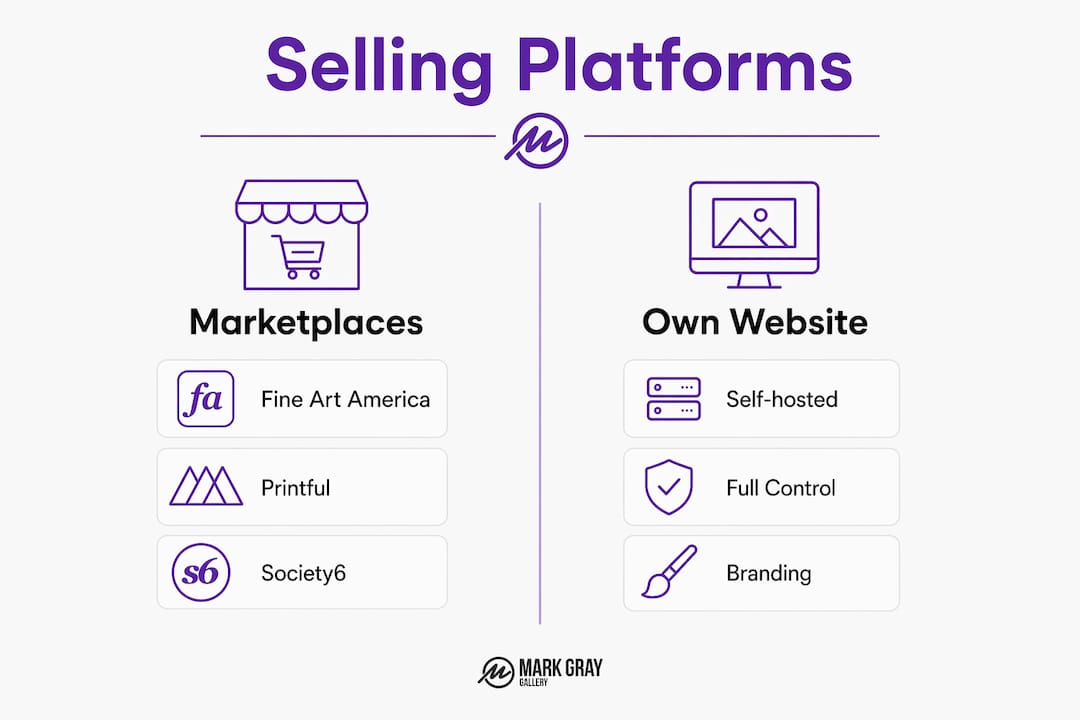
- Fine Art America offers print-on-demand with global fulfillment, making it a low-barrier entry point. The trade-off is thin margins and limited brand differentiation. Your prints sit alongside thousands of other photographers.
- Printful integrates with your own website, giving you more control over branding and customer experience while still outsourcing production and shipping.
- Your own website is non-negotiable for serious fine art sales. Relying solely on marketplaces limits your ability to build customer relationships, retarget buyers, and control your brand narrative. Platforms like Squarespace, Shopify, or WordPress with WooCommerce give you full ownership.
Here is a comparison of the primary platforms for fine art photography promotion:
| Platform | Cost | Control | Best for |
|---|---|---|---|
| Fine Art America | Free to list; 30% margin | Low | Entry-level exposure |
| Printful + own site | Production cost + hosting | High | Brand-focused sellers |
| Squarespace / Shopify | $16–$39/month | Full | Portfolio and direct sales |
| Instagram / Pinterest | Free | None (rented audience) | Discovery and traffic |
| Google Business Profile | Free | Moderate | Local and regional buyers |
For SEO, fine art buyers search with emotional keywords like "moody ocean print for living room" rather than technical descriptions like "16x20 seascape photograph." AI tools such as ChatGPT or Surfer SEO can help you translate your image metadata into the kind of language collectors actually type into search engines. This is a practical, underused advantage for photographers willing to spend an hour on keyword research.
Pro Tip: Use Mailchimp or ConvertKit for email automation, and Buffer or Later for cross-posting to Instagram and Pinterest simultaneously. These tools reduce the time cost of maintaining multiple channels.
How should you price and present fine art photography prints?
Print pricing is where most photographers either leave money on the table or price themselves out of the market entirely. The standard ranges for fine art print sales are as follows:
| Print size | Open edition price | Limited edition price |
|---|---|---|
| 8x10 | $30–$60 | $80–$150 |
| 16x20 | $100–$200 | $300–$800 |
| Large canvas (24x36+) | $200–$400 | $500–$1,200+ |
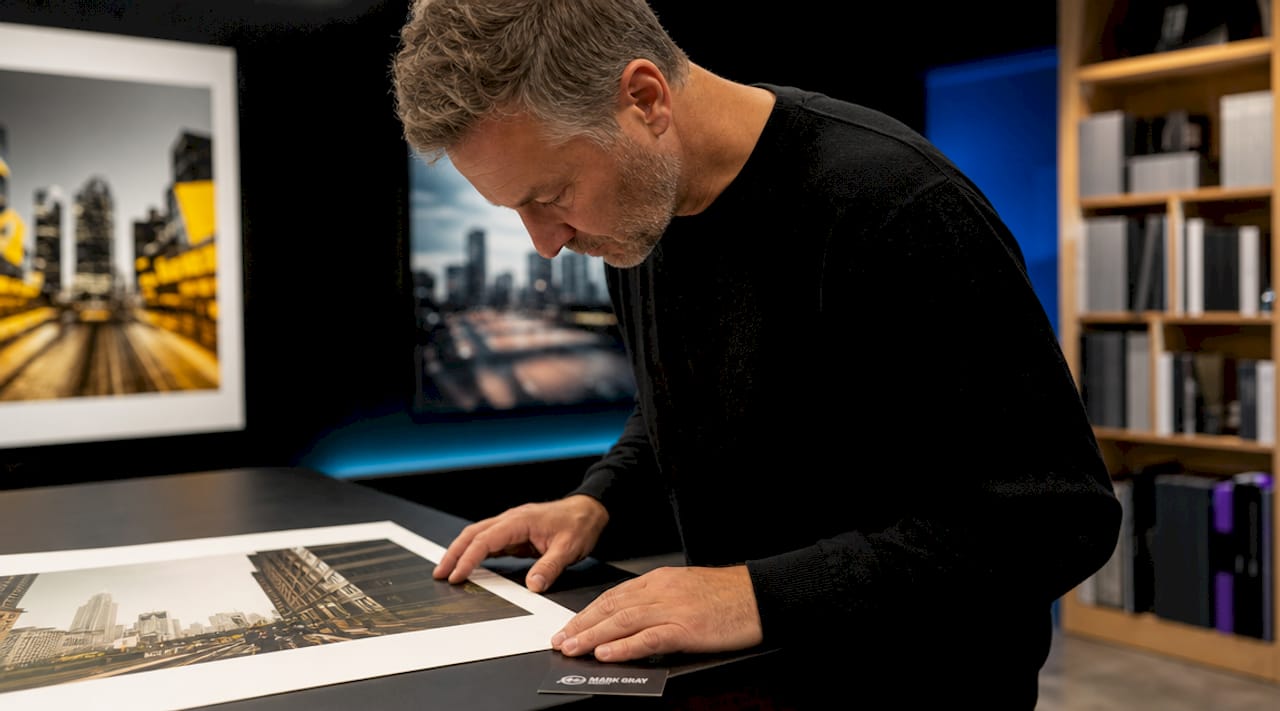
These ranges reflect what the market supports, not what your costs dictate. Pricing too low signals low value to collectors. Pricing limited editions higher is justified by genuine scarcity, and signatures with certificates of authenticity increase buyer confidence measurably. A signed, numbered print with a certificate feels like an investment. An unsigned open edition feels like a poster.
Presentation is equally important. Lifestyle mockups showing your Iceland waterfall print above a modern sofa or your Australian outback image in a rustic study help buyers visualize the work in their own space. Tools like Smartmockups or Canva's mockup templates make this straightforward. Offering multiple materials, including fine art paper, acrylic, and metal prints, also expands your buyer pool because collectors have strong material preferences.
Pro Tip: Limit your editions to a number you can credibly defend. An edition of 10 is exclusive. An edition of 500 is not. Smaller editions command higher prices and create genuine urgency.
You can explore limited edition print strategies in depth to understand how edition size affects both pricing and collector demand.
How do you launch a fine art photography marketing campaign step by step?
A structured launch removes guesswork and creates momentum. Follow this sequence to build your marketing system from the ground up.
-
Lock your niche and curate your portfolio. Select 15 to 20 images that represent your clearest artistic identity. Remove anything that dilutes the narrative. Your portfolio is your first marketing tool.
-
Set up and optimize your social profiles. On Instagram, use a keyword-rich bio, a link-in-bio tool like Linktree, and consistent visual branding. On Pinterest, create boards organized by location, mood, and print size. Both profiles should link directly to your website shop.
-
Claim and optimize your Google Business Profile. Upload at least 100 photos, write a keyword-rich description that includes your location and specialty, and collect reviews from past buyers. Google Business Profiles with extensive photos capture map pack traffic from buyers actively searching for local fine art.
-
Build service-area SEO landing pages. Create dedicated pages for each region or location you photograph. A page titled "Australian Landscape Photography Prints" with unique copy, local testimonials, and location-specific keywords outperforms generic content in search rankings. This is a tactic most photographers skip entirely.
-
Launch your email list. Offer a free resource, such as a print care guide or a behind-the-scenes PDF, in exchange for an email address. Set up a three-email welcome sequence: introduce your story, showcase your best work, and present a first-purchase offer.
-
Run a small paid campaign to test. Allocate $100 to $200 on Meta or Pinterest ads targeting collectors in your region. Use your best-performing organic content as ad creative. Measure cost per click and conversion rate before scaling.
The following content types drive the strongest results across channels:
- Finished print reveals with location backstory
- Time-lapse or process videos showing the journey from capture to print
- Client testimonials paired with images of prints installed in their homes
- Seasonal promotions tied to gifting periods such as Christmas and Mother's Day
- Behind-the-scenes field photography content that builds personal connection
Instagram and Pinterest function as free portfolio distribution channels that outperform paid advertising alone when used consistently. The key word is consistently. Sporadic posting produces sporadic results.
Key takeaways
Successful marketing for fine art photography online requires owning your audience through email, building discovery through Pinterest and Instagram, and capturing high-intent buyers through local SEO and a professional website.
| Point | Details |
|---|---|
| Multi-channel system | Run Instagram, Pinterest, SEO, and email in parallel for consistent results. |
| Own your website | Marketplaces limit brand control; your own site builds lasting customer relationships. |
| Price with intention | Limited editions with signatures and certificates command significantly higher prices. |
| Email over social | An opted-in email list converts more reliably than any social media following. |
| Local SEO impact | Google Business Profiles with 100+ photos generate 520% more calls than sparse profiles. |
What I have learned from years of marketing fine art photography
The most common mistake I see photographers make is treating Instagram as their entire marketing strategy. When the algorithm shifts, their visibility collapses overnight. I have watched talented photographers with beautiful work lose months of momentum because they built everything on a platform they do not own.
The photographers who sustain long-term sales share one habit: they own their audience. An email list of 500 engaged collectors is worth more than 50,000 passive Instagram followers. When I send a newsletter announcing a new limited edition series from Iceland or French Polynesia, the response is immediate and measurable. Social posts are not.
Authentic storytelling is the other underrated tool. Buyers want to know where you stood when you captured that image, what the light felt like, and why that particular moment mattered to you. That narrative is what separates a print on a wall from a piece of art with meaning. I share the hidden details behind prints because that story is part of what collectors are purchasing.
My honest advice: treat marketing as relationship building, not broadcasting. Pursue exhibitions and competitions alongside your digital channels because Instagram works best as a supporting tool for professional authority, not a replacement for it. The photographers who integrate local SEO with consistent social presence and a strong email list are the ones who build genuinely sustainable businesses. It takes time. It is worth it.
— Mark
Explore award-winning fine art landscape photography
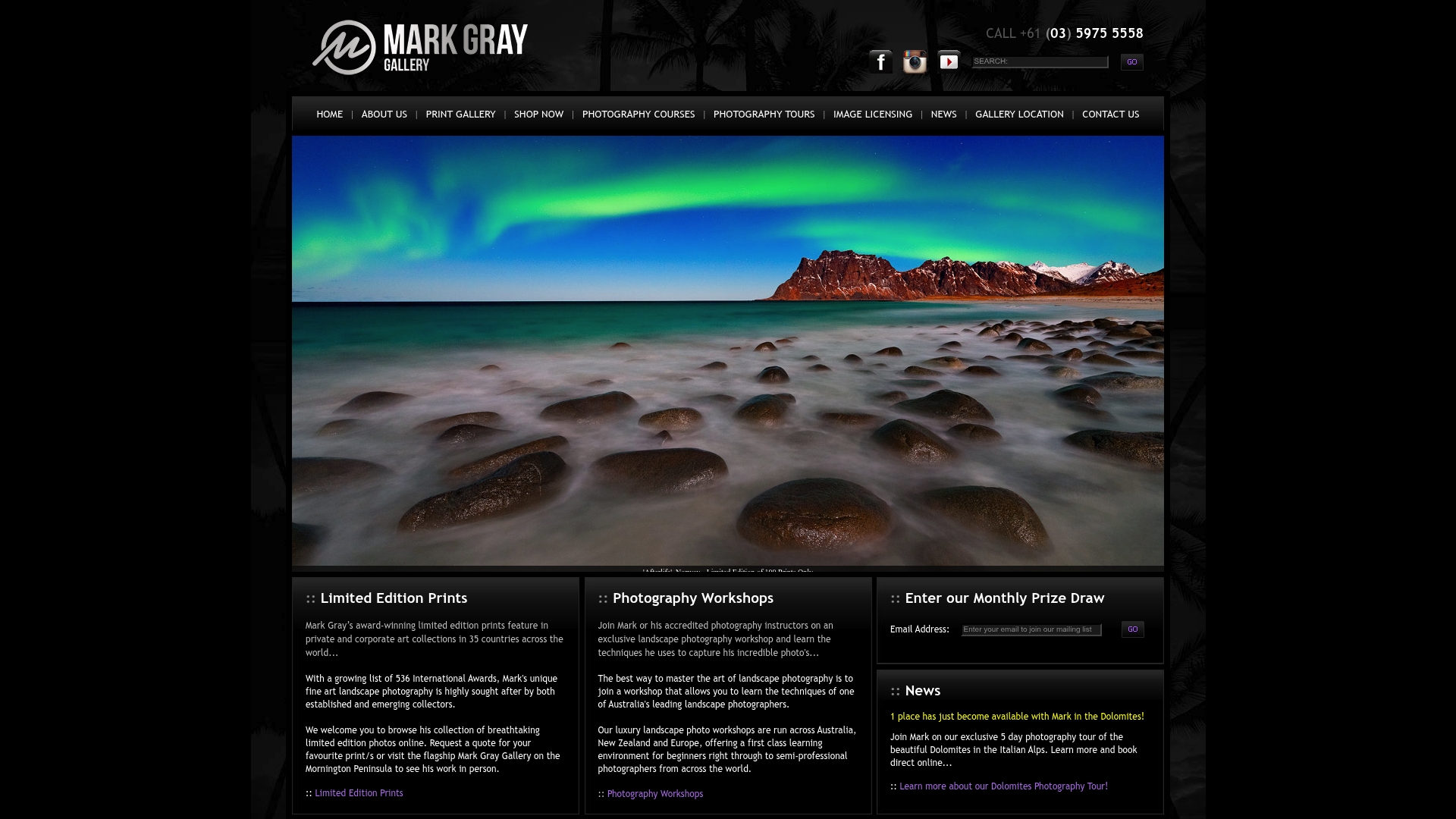
If you are looking for inspiration on what a well-executed fine art photography website looks and feels like, the Mark Gray Gallery is a compelling example. Mark Gray is an internationally recognized Australian landscape photographer whose work spans Australia, New Zealand, Norway, Iceland, French Polynesia, Spain, and the United Kingdom. The gallery offers premium limited edition prints, gift products, and photography courses, all presented through a professional, collector-focused online experience. Whether you are building your own marketing system or searching for a print that speaks to you, visiting the gallery offers both inspiration and a masterclass in how fine art photography can be presented and sold online with confidence and clarity.
FAQ
What are the best platforms for selling fine art photography online?
Your own website combined with Fine Art America or Printful for fulfillment gives you the best balance of control and reach. Owning your website is the foundation because it protects your customer relationships and brand identity.
How much can photographers earn selling prints online?
Common monthly earnings range from $100 to $500 for photographers starting out, with top earners reaching $2,000 to $10,000 or more by combining multiple sales channels and consistent marketing. Income scales with niche clarity and audience size.
How do fine art buyers search for photography online?
Fine art buyers use emotional and situational search terms rather than technical descriptions. Phrases like "dramatic ocean print for bedroom" or "moody mountain photography" reflect how collectors actually search, which means your SEO strategy should mirror that language.
How often should photographers post on Instagram?
Posting 4 to 7 times per week across finished work, behind-the-scenes content, testimonials, and promotions produces the strongest sustained visibility. Consistency matters more than volume on any single day.
Should photographers use limited or open editions for print sales?
Limited editions with lower print counts, artist signatures, and certificates of authenticity command higher prices and attract serious collectors. Open editions suit entry-level buyers and broader markets but carry lower margins and less exclusivity.