
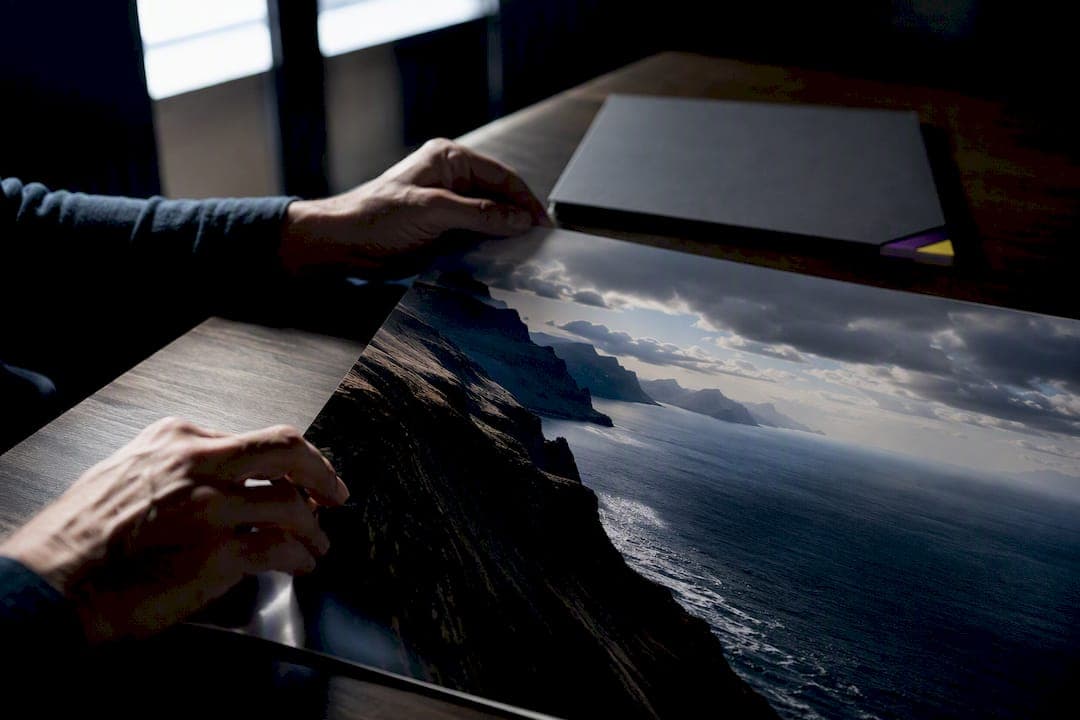
Royalty-free lets you pay once and reuse an image widely; rights-managed ties the fee to specific, negotiated uses and can include exclusivity. For everyday marketing, blogs, and internal materials, royalty-free is usually the pragmatic pick. For a national ad campaign, a magazine cover, or any placement where you can't risk a competitor running the same shot next month, rights-managed earns its higher price tag through exclusivity and control.
TL;DR:
- Royalty-free licensing is best for ongoing content, internal materials, and small-scale campaigns due to its flat fee and broad reuse rights.
- Rights-managed licensing offers exclusivity and control, making it suitable for high-impact campaigns like magazine covers, billboards, or national ads.
- Standard royalty-free licenses typically cover perpetual, worldwide use for limited media types, but reselling or large print runs likely require extended licenses.
- Rights-managed costs vary based on usage parameters such as duration, geography, and circulation, and often involve renegotiation for expanded uses.
- Always verify license terms for duration, territory, media, and exclusivity before licensing to avoid legal issues and ensure the license fits your project needs.
Table of Contents
- Rights Managed vs Royalty Free: A Quick Comparison
- What Royalty-Free Licensing Actually Means
- How Rights-Managed Licensing Works
- License Terms That Actually Matter (and the Ones That Should Worry You)
- A Practical Checklist Before You License Anything
- A Photographer's Take on Choosing RF or RM
- License Your Next Project Directly Through Mark Gray
- Sources
- FAQ
Rights Managed vs Royalty Free: A Quick Comparison
The two models split on cost logic, exclusivity, and how much oversight you're signing up for.
- Cost structure: Royalty-free is typically a flat, one-time fee regardless of how the image performs; rights-managed pricing scales with duration, geography, placement, and circulation.
- Exclusivity: Royalty-free images can be licensed to unlimited buyers, including your direct competitor; rights-managed can be negotiated so you're the only one using that image in your category.
- Reuse rights: Royalty-free grants broad reuse under one purchase; rights-managed usually requires a new negotiation for a new use.
- Common limits: Royalty-free often caps print runs or restricts merchandise without an extended license; rights-managed defines the limit up front as part of the deal.
- Typical buyer: Small businesses, bloggers, and agencies producing recurring content lean royalty-free; brands, publishers, and advertisers running high-visibility, high-stakes campaigns lean rights-managed.
What Royalty-Free Licensing Actually Means
Royalty-free doesn't mean free. It means you pay an upfront licensing fee once and then owe no further royalties no matter how many times or where you use the image, within the terms of that license. That distinction trips up a lot of buyers, and it's worth grounding in fact: royalty-free is legally and commercially distinct from public domain or Creative Commons Zero assets, which carry no fee and often no restrictions at all.
A standard royalty-free license usually grants:
- Perpetual or long-term use across most media types, print, digital, and social.
- Broad geographic reach, often worldwide, with no separate territory fee.
- Reasonable print or digital run limits, after which an extended license kicks in.
- Non-exclusive rights, meaning the same photo could appear on a rival's website next week.
The catch shows up when you push past "ordinary use." Reselling the image as part of a physical product, printing it across a run of 500,000 brochures, or handing it to multiple departments under different seats can all breach a standard license, and providers commonly separate these cases into extended licenses that cost more but close the gap legally.
A small business slapping a landscape shot on its homepage or a blog post almost never needs anything beyond standard royalty-free. A company printing that same image on tote bags for a product launch does.
Pro Tip: Before you buy, check whether "commercial use" in the license actually covers merchandise. Most standard royalty-free licenses exclude products for resale unless you upgrade.
How Rights-Managed Licensing Works
Rights-managed flips the pricing logic. Instead of one flat fee for broad use, the cost is built from a set of specific parameters: how long you'll use the image, where geographically, in what media, and how many people will see it. Pricing scales with those variables, so a rights-managed license for a local flyer costs far less than one for a national television campaign using the same photograph.
What makes rights-managed genuinely different, and often worth the premium, is that you can negotiate exclusivity as part of a long-term digital marketing strategy. Once you license a rights-managed image for your industry, the photographer or agency typically agrees not to license it to your direct competitors for the term you've paid for. That matters enormously for:
- A magazine or newspaper securing a cover image no rival publication can run.
- A national advertising campaign where brand identity depends on visual consistency nobody else can copy.
- A billboard or airport placement where seeing the same face on a competitor's ad next door would undercut the whole point.
The tradeoff is administrative. Rights-managed licenses need tracking. If your campaign extends past the agreed duration, expands into a new territory, or moves into a new medium, you go back and renegotiate. That overhead is real, but for brand-sensitive work, it buys certainty that royalty-free simply doesn't offer.
License Terms That Actually Matter (and the Ones That Should Worry You)
Every stock license, royalty-free or rights-managed, boils down to a handful of clauses. Knowing them before you sign protects you from a costly correction later.
- Duration: How long can you legally use the image? Rights-managed always specifies this; royalty-free is often "in perpetuity" but not always.
- Territory: Worldwide, or restricted to one country or region? Rights-managed frequently limits this to control costs and exclusivity.
- Media: Print, web, broadcast, outdoor, and social are often listed separately. Using an image in a medium not listed is a breach.
- Print run or copy limits: Caps on physical reproduction are common in both models and one of the most frequently overlooked lines in the contract.
- Exclusivity and sublicensing: Can you hand the image to a third party, like a printer or an ad agency? Vague sublicensing language is a common source of disputes.
- Model and property releases: Required for most commercial uses involving recognizable people or private property.
Red flags worth pausing on: a license with no stated territory or duration, a commercial-use grant with no mention of model releases, or sublicensing terms so loose you can't tell who's actually allowed to use the file. Provider license pages typically spell out these restrictions in detail, and reading them in full, not just the marketing summary, is the difference between a clean campaign and a legal headache.
Editorial use adds another layer entirely. An image licensed for editorial purposes, think news commentary or documentary context, usually cannot be used commercially without a separate release, a distinction covered in more detail in our editorial versus commercial licensing guide.
A Practical Checklist Before You License Anything
Work through these questions in order, and you'll land on the right license almost every time.
- How widely will this run? A single blog post points toward royalty-free; a multi-market ad campaign points toward rights-managed.
- How long will you use it? Short campaigns favor royalty-free's simplicity; long-term brand assets may justify rights-managed's locked-in terms.
- Do you need exclusivity? If a competitor using the same image would hurt you, rights-managed is the only model that guarantees exclusion.
- Will you print merchandise or resell it? If yes, confirm an extended license covers that use before you commit.
- How many copies or views are expected? Check the license's print run or impression caps against your actual numbers.
Once you've answered those, verify the paperwork. Read the actual license text, not just the product page. Confirm model or property releases exist in writing for anyone identifiable in the shot, and if the standard terms don't quite fit, ask the photographer or agency about a custom or negotiated rights-managed deal instead of assuming a workaround is fine.
Pro Tip: If a seller can't produce a model release on request for a commercial shoot involving people, treat that as a dealbreaker, not a formality.
A Photographer's Take on Choosing RF or RM
When a client needs exclusivity, a national campaign, a flagship product launch, a cover placement, I steer them toward rights-managed. The cost reflects real value: nobody else runs that image in their space.
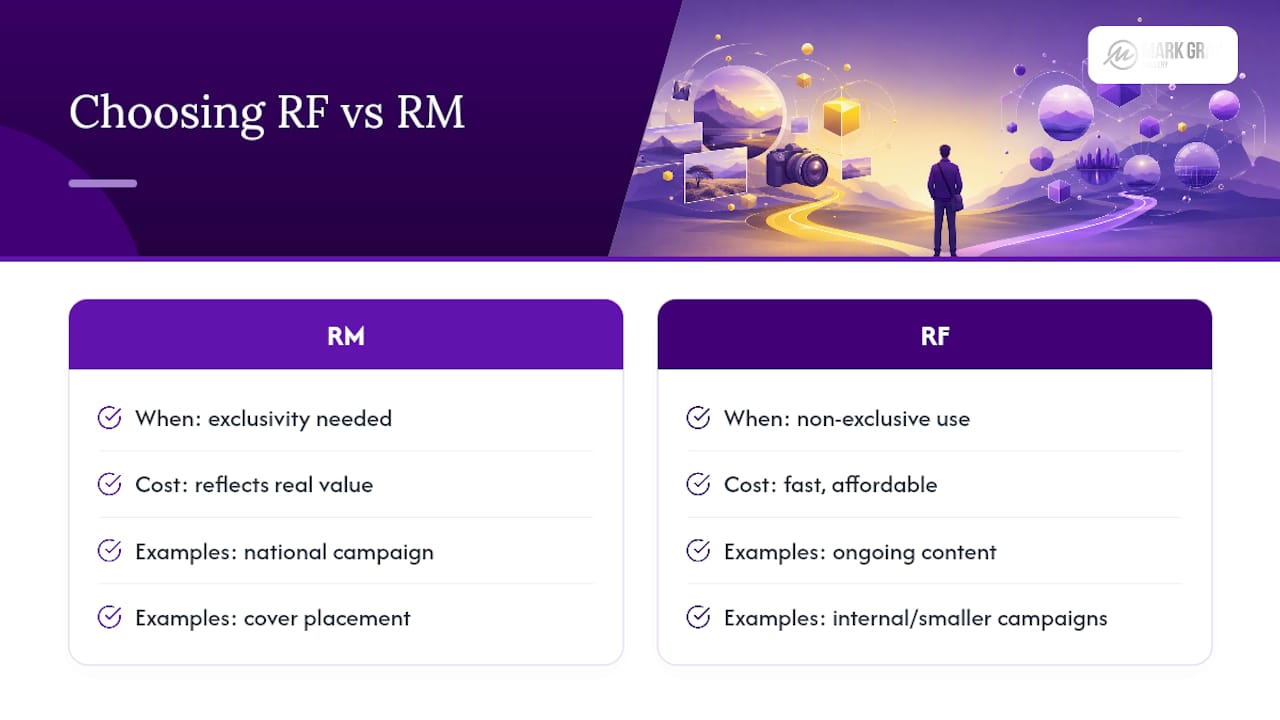
For ongoing content, internal communications, or smaller campaigns, royalty-free is the sensible call. It's fast, affordable, and matches the actual risk involved.
Every project is different, and the right structure often needs a conversation, not a checkbox. If you're weighing a licensing decision for an upcoming campaign, reach out directly and we'll work through it together.
— Mark
License Your Next Project Directly Through Mark Gray
Stock libraries hand you a fixed license and a "take it or leave it" price. Working directly with a photographer means the terms flex to fit your actual project, whether that's a standard commercial license for a website refresh or a negotiated rights-managed deal with locked-in exclusivity for a major campaign.
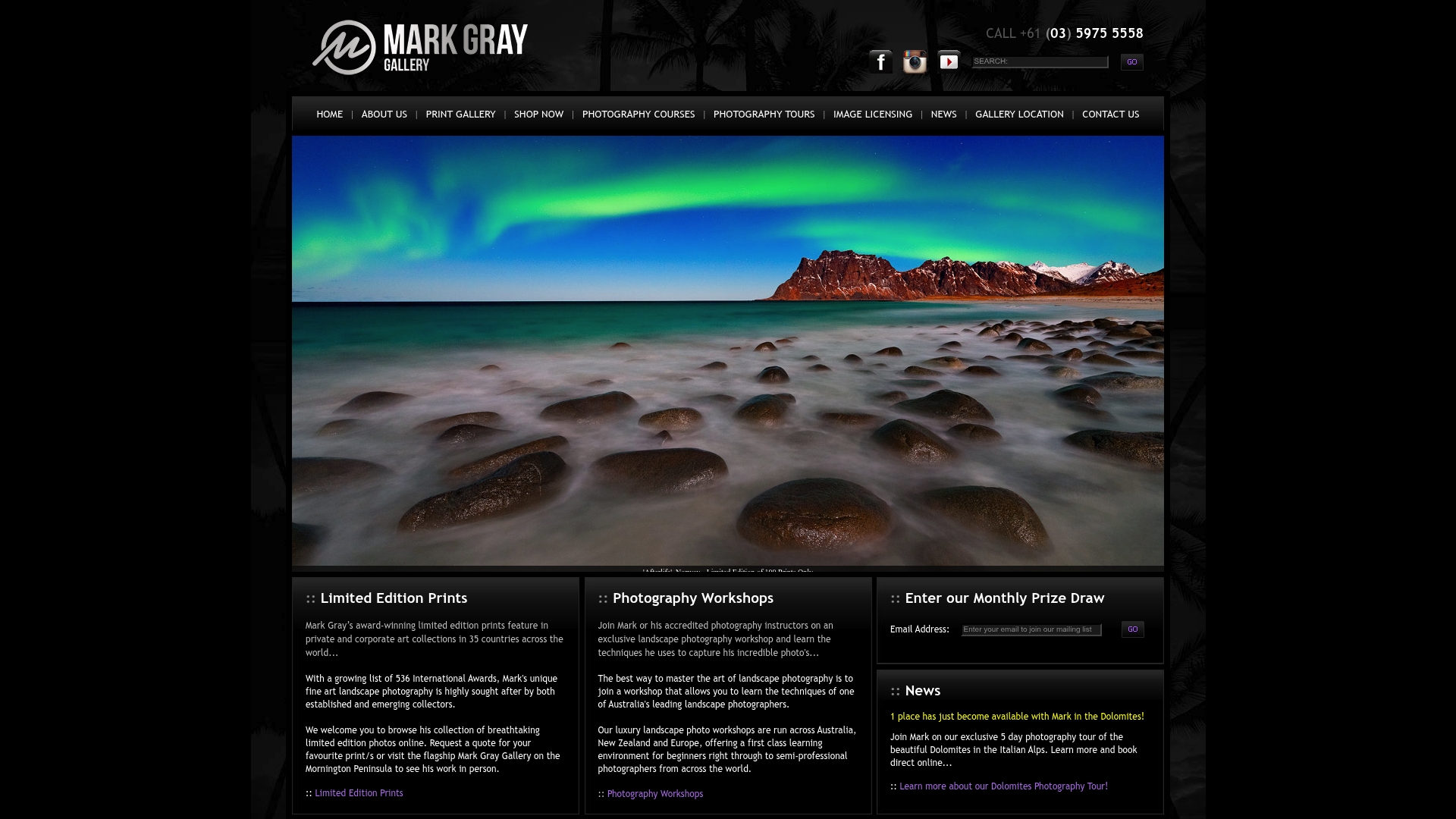
Landscape photography is available for licensing across splashbacks, signage, websites, brochures, and more, with both standard commercial terms and bespoke rights-managed arrangements for buyers who need exclusivity or high-visibility placement. The process typically involves requesting a quote, defining your intended usage, signing the license, and receiving the files. If your project calls for something a generic stock library can't offer, start your licensing inquiry here and describe what you're building.
Sources
For deeper background, see this Australian legal primer on stock image copyright, the Creative Commons license overview, and our own guide on licensing photography for websites.
- Are stock images copyright-free? What Australian businesses must know
- Copyright law and photographers in Australia
- A Beginner's Guide to Royalty-Free Licensing | Depositphotos
FAQ
What Is the Difference Between Royalty-Free and Rights-Managed Licensing?
Royalty-free means one upfront fee grants broad, often non-exclusive reuse rights, while rights-managed ties the fee to specific parameters like duration, geography, and placement, with exclusivity available on negotiation.
What Is the Difference Between Copyright-Free and Royalty-Free?
"Copyright-free" usually refers to public domain or Creative Commons Zero material with no fee and few restrictions, while royalty-free still requires a paid license and remains bound by its specific terms.
Can I Use Royalty-Free Photos for Commercial Use?
Yes, standard royalty-free licenses generally permit commercial use, but merchandise, resale products, and very high-volume print runs often require an extended license.
Is CC BY 4.0 Free for Commercial Use?
Yes, CC BY licenses permit commercial use as long as you credit the original creator; CC BY-NC variants explicitly prohibit commercial use.
When Should I Choose Rights-Managed Over Royalty-Free?
Choose rights-managed when you need guaranteed exclusivity or are running a high-visibility campaign, such as a national ad, magazine cover, or billboard, where competitors using the same image would undermine your brand.