

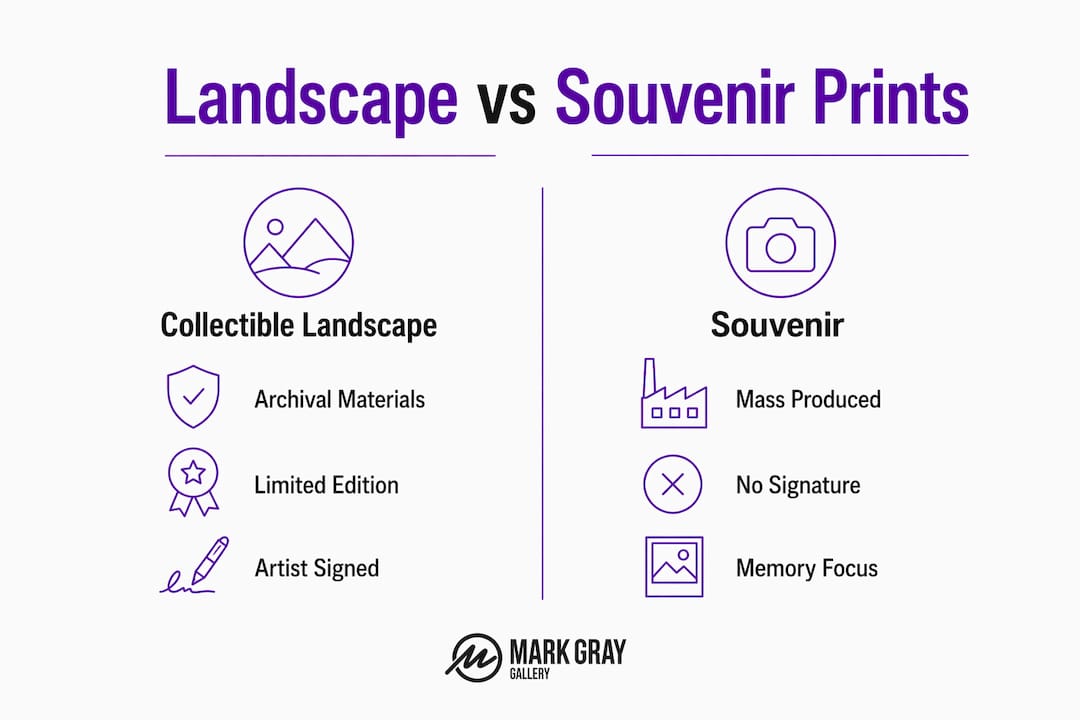
A collectible landscape print is a purpose-built, archival, artist-authorized work — signed, often limited-edition, and printed on museum-grade materials — while a souvenir print is a mass-produced memento bought for memory, not long-term value. That single distinction shapes everything from how you display the piece to what it might be worth in ten years.
Three practical differentiators to keep in mind before you buy:
- Materials: Collectible prints use archival pigment inks on cotton rag or museum-grade paper; souvenir prints typically use coated cardstock or standard photo paper.
- Editioning: Fine-art prints carry a limited-edition number, artist signature, and certificate of authenticity (COA); souvenir prints rarely do.
- Purchase context: Collectible prints are sold through galleries or artist-direct channels; souvenir prints appear in tourist shops, airport kiosks, and mass retailers.
Galleries like Mark Gray Gallery and auction houses like Sotheby's use these exact signals to classify and value photographic works.
Table of Contents
- What "landscape print" and "souvenir print" actually mean
- How do landscape prints and souvenir prints compare side by side?
- Why materials, editioning, and artist involvement matter
- What should you check before buying a landscape print?
- Where to buy and how to preserve your print
- When does a souvenir print make more sense?
- How Mark Gray Gallery demonstrates these standards
- Key Takeaways
- The intent behind the image matters as much as the image itself
- Mark Gray Gallery limited-edition prints for serious collectors
- Useful sources
What "landscape print" and "souvenir print" actually mean
In collector terms, a landscape print is a photographic work produced with the artist's direct authorization, using archival materials, and accompanied by documented provenance. It may be a limited edition (a predetermined quantity, each numbered and signed) or an open edition produced to a stated archival standard. Either way, the artist's involvement and the production record are what give it standing as a collectible.
A souvenir print is a mass-produced reproduction sold primarily as a memento. Its value comes from purchase context and storytelling — the memory of standing at a scenic overlook — rather than from archival permanence or artist authorization. Researchers categorize souvenirs as sampled, crafted, or representative objects whose meaning derives from narrative and iconofetish rather than production quality.
Quick identification clues:
| Signal | Collectible landscape print | Souvenir print |
|---|---|---|
| Signature | Hand-signed by artist | Absent or printed facsimile |
| Edition number | Present (e.g., 12/50) | Not present |
| Paper weight | Heavy cotton rag or baryta | Lightweight coated cardstock |
| Lab/printer credit | Named fine-art lab, Giclée process | Generic or unlisted |
| Where sold | Gallery, artist website | Tourist shop, mass retailer |
| Price point | Higher amounts typical of art markets | Lower amounts typical of mass-produced souvenirs |
How do landscape prints and souvenir prints compare side by side?
| Dimension | Collectible landscape print | Souvenir print |
|---|---|---|
| Purpose / buyer intent | Art investment, long-term display, collectibility | Travel memento, gift, short-term keepsake |
| Production quality | Archival pigment inks, cotton rag or museum-grade paper, Giclée inkjet | Standard inks, coated cardstock, mass inkjet or thermal printing |
| Editioning & artist involvement | Limited or open edition, numbered, hand-signed, COA included | No edition structure, no artist signature, no COA |
| Price / resale potential | Higher prices reflecting collectibility and artist reputation | Lower prices reflecting souvenir mass market |
| Presentation & finishing | Museum glazing, acid-free mounting, archival framing options | Minimal; often sold unframed or in basic packaging |
The single most decisive criterion: documented provenance. A limited edition with a named lab, a hand-signed COA, and archival materials can be resold with confidence. A souvenir print, however beautiful, cannot.
Additional criteria worth prioritizing:
- Edition size (smaller editions generally command higher prices)
- Named printing lab and process (Giclée / fine-art inkjet)
- Archival material specifications on the product listing
Why materials, editioning, and artist involvement matter
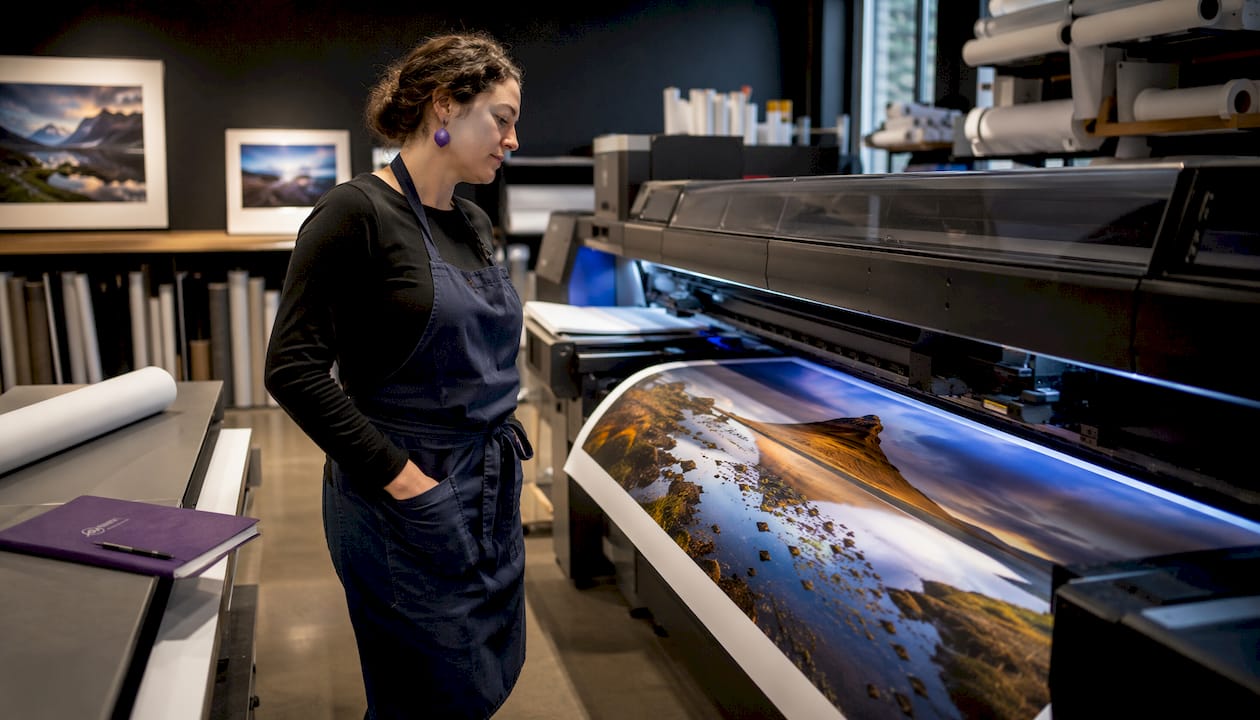
Archival pigment inks and museum-grade paper are the physical foundation of a collectible print's longevity. Giclée printing, a fine-art inkjet process using pigment-based inks, produces color stability that standard dye-based inkjet or thermal printing cannot match. Cotton rag and baryta papers are acid-free and lignin-free, which prevents the yellowing and brittleness that degrades standard photo paper over decades.
Editioning changes market perception significantly. As Sotheby's explains, photographic editions are judged by edition size, print size, and process — smaller editions of larger prints by recognized artists carry the strongest market standing. A hand-signed, numbered print tells a buyer exactly how many exist, which directly affects scarcity and resale value.
Artist involvement closes the loop. When a photographer approves each print, credits a named fine-art lab, and issues a COA referencing the edition number, print date, and paper specifications, that paper trail is what collectors value for resale. A technically impressive landscape photograph does not automatically become a saleable collectible without that documented chain of custody.
What should you check before buying a landscape print?
- Artist signature: Confirm it is hand-signed, not a printed facsimile. Look for pen pressure variation under magnification.
- Edition number and size: The format "12/50" means copy 12 of 50 total. Smaller edition sizes generally indicate higher collectibility.
- Certificate of authenticity: The COA should name the artist, edition size, print number, paper type, ink type, printing lab, and print date.
- Paper and ink specifications: Look for terms like "archival pigment ink," "cotton rag," "baryta," or "museum-grade paper" in the product listing.
- Lab or printer credit: A named fine-art lab is a strong trust signal. Vague descriptions like "professionally printed" are not sufficient.
- Return policy and invoice: Reputable galleries provide a formal invoice and a clear return policy — both matter for insurance and resale documentation.
- Red flags: No signature, no lab name, a "fine art" label on a mass-retail listing, or an edition described as "unlimited."
Pro Tip: Ask the seller for a lab receipt or a digital proof file showing the print's ICC profile and paper specification. Legitimate fine-art labs provide this documentation routinely, and a seller who cannot produce it is a meaningful red flag.
Research on collector regret consistently shows that the souvenirs people treasure longest are those that required genuine effort or investment at the time of purchase. That pattern holds for prints too.
Where to buy and how to preserve your print
Reliable purchase channels for collectors include artist-direct websites, established fine-art galleries, and reputable online gallery platforms. These channels provide the provenance documentation and return policies that protect your investment. Souvenir prints, by contrast, are sold through tourist shops, airport retailers, and mass-market online stores where provenance is rarely documented.
Typical price ranges:
| Type | Price range | Notes |
|---|---|---|
| Souvenir magnet / postcard | $8–$45 | Reflects location and size, not rarity |
| Standard photographic print | $8–$45 | Mass-produced, no edition structure |
| Collectible limited-edition print | $200–$5,000+ | Driven by artist, edition size, presentation |
For pricing landscape prints, edition size, print dimensions, framing, and artist recognition are the primary drivers.
Preservation essentials: Frame behind UV-filtering museum glass or acrylic. Use acid-free mat board and backing. Keep prints away from direct sunlight, humidity above 50%, and heat sources. For long-term storage, interleave prints with acid-free tissue in a flat, dark, climate-controlled environment. Gallery-quality display standards call for controlled light levels below 50 lux for photographic works.
When does a souvenir print make more sense?
Not every wall needs a collectible. There are genuinely good reasons to choose a souvenir print:
- Bulk gifting: When you need ten copies of the same image for event guests or colleagues, a souvenir-grade print is practical and cost-effective.
- Travel mementos for children: A $15 postcard or small print captures a memory without the risk of damage.
- Temporary decor: Rental apartments, seasonal displays, or short-term installations don't justify archival investment.
- Testing a space: Before committing to a large limited-edition piece, a souvenir-grade print of the same scene can help you assess scale and placement.
The upgrade to a fine-art print makes sense when you have a strong emotional reaction to the work, want a piece that will last decades without fading, need a large-format print for a prominent wall, or are considering the piece as part of a collection with resale potential. For creative hobby lovers who want a meaningful gift rather than a memento, a limited-edition print is almost always the more memorable choice.
How Mark Gray Gallery demonstrates these standards
Mark Gray is an internationally recognized Australian landscape photographer whose work spans Australia, New Zealand, Norway, Iceland, French Polynesia, Spain, and the United Kingdom. The gallery's limited-edition prints are produced to archival standards, with each edition numbered, hand-signed, and accompanied by a COA that specifies edition size, print number, paper type, and production details.
Product listings at Mark Gray Gallery reflect exactly the trust signals collectors should demand: edition size, archival pigment ink specifications, museum-grade paper details, and framing options including UV-protective glazing. That transparency is what separates a gallery-grade offering from a tourist-shop print carrying a "fine art" label. A technically accomplished landscape image only becomes a collectible art print when the production record supports that claim — and Mark Gray Gallery's documentation does exactly that.
Key Takeaways
A collectible landscape print is defined by archival materials, documented editioning, and artist authorization — without all three, it functions as a souvenir regardless of image quality.
| Point | Details |
|---|---|
| Core distinction | Collectible prints carry archival materials, edition numbers, and a COA; souvenir prints do not. |
| Price signal | Collectible limited-edition prints range significantly higher; souvenir prints typically cost $8–$45. |
| Top trust signals | Verify hand signature, edition number, named lab, paper/ink specs, and a detailed COA before purchasing. |
| When souvenir prints work | Bulk gifting, children's mementos, temporary decor, or testing wall placement are all valid use cases. |
| Mark Gray Gallery | Offers numbered, hand-signed limited editions with full archival documentation — a reliable standard for collectors. |
The intent behind the image matters as much as the image itself
The conventional wisdom in collecting circles treats the landscape print vs. souvenir question as purely technical: check the paper, check the ink, check the signature. That checklist is necessary, but it misses something. The same photograph, printed identically, functions differently depending on why you bought it and what story you attach to it.
Souvenir researchers have long noted that memory anchoring and social signaling drive souvenir purchases more than material quality does. That is not a flaw in the souvenir economy — it is the whole point. A souvenir postcard of a Norwegian fjord can carry more personal meaning than a $2,000 limited edition of the same view, depending on who bought it and why. What changes with the fine-art print is not the emotional weight but the physical permanence and the market standing.
Where I think collectors go wrong is treating these categories as mutually exclusive. The most satisfying purchases tend to be prints that do both: they carry genuine emotional resonance and meet archival standards. That combination is what makes a piece worth living with for decades and worth passing on. Ask questions, keep your provenance documents, and never let a seller's "fine art" label substitute for actual specifications.
Mark Gray Gallery limited-edition prints for serious collectors
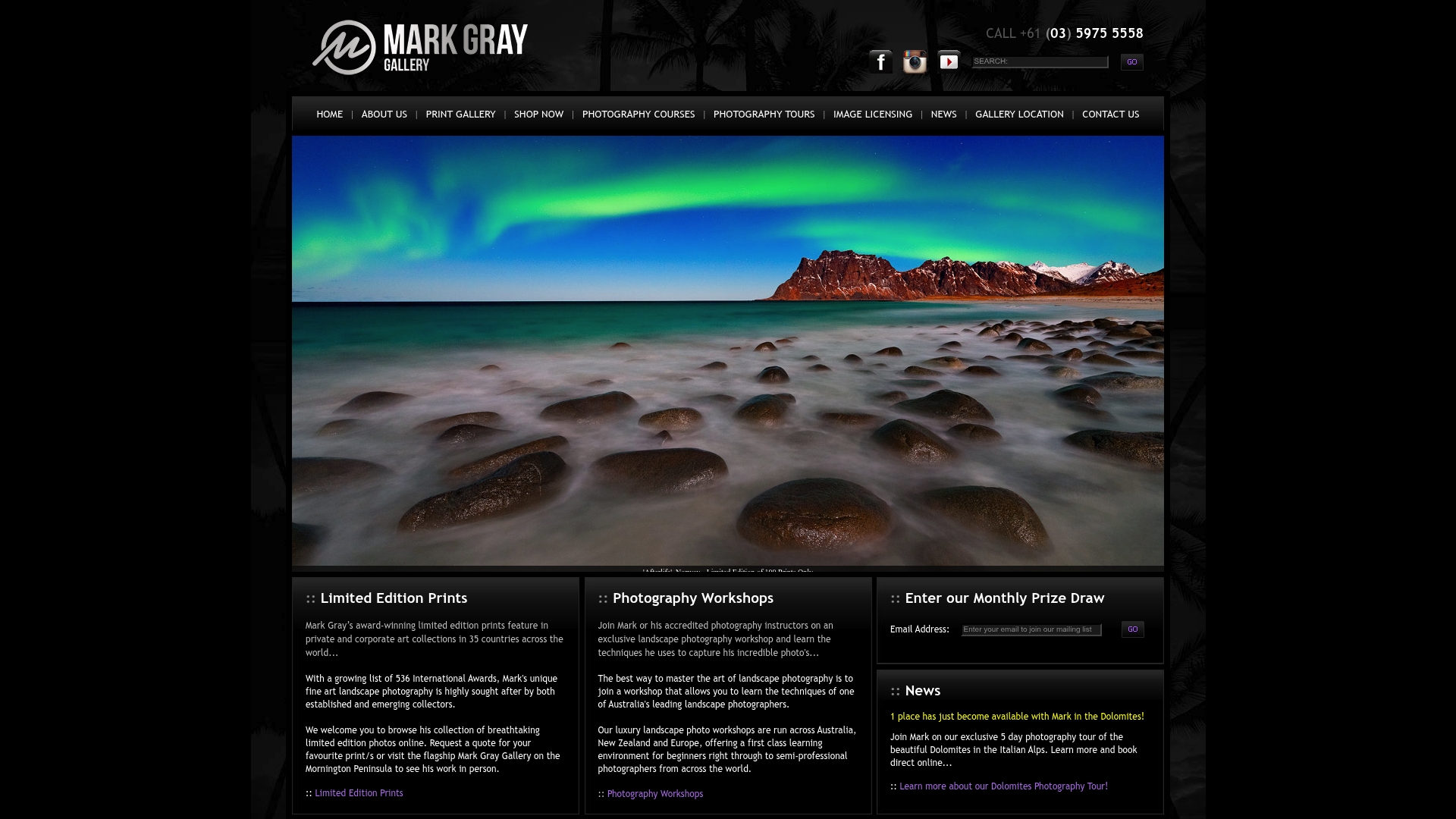
Mark Gray Gallery offers collectors something rare: landscape photography prints that meet every standard this guide describes. Each limited-edition print is hand-signed by Mark Gray, numbered within a defined edition size, and accompanied by a full COA specifying paper type, archival pigment ink details, and production information. Framing options with UV-protective museum glazing are available for collectors who want a wall-ready, preservation-grade presentation.
Whether you are building a collection, seeking a prestigious gift, or simply want a landscape print that will look as vivid in thirty years as it does today, the gallery's collections from Australia, Iceland, Norway, and beyond are worth exploring. View the limited-edition collections and request full print specifications or COA details directly through the gallery.
Useful sources
- Sotheby's: Understanding Edition Types — Authoritative auction-house guide to how photographic editions are classified and valued; essential reading for collectors.
- Fstoppers: Landscape Photography and Collectibility — Explains why photographic quality alone does not equal market collectibility; covers audience and presentation factors.
- The Souvenir Economy (Idyllic Pursuit) — Covers pricing, psychology, and the memory-anchoring function of souvenir purchases; useful for understanding when souvenir prints serve a legitimate purpose.
- The Language of Souvenirs (Academia.edu) — Academic design theory categorizing souvenir types and explaining why context shapes meaning more than materials.
- Mark Gray Gallery — Primary source for limited-edition landscape photography prints with full archival documentation, COA, and framing options.