
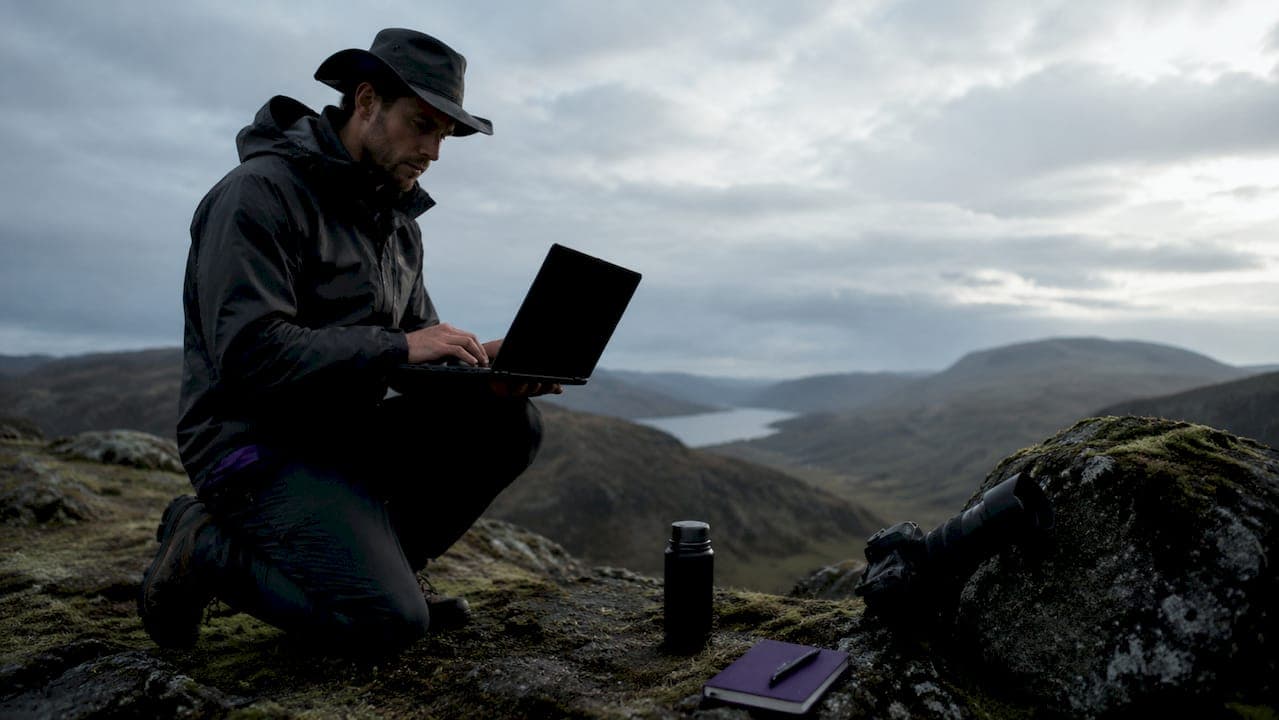
RAW format is defined as the unprocessed sensor data your camera captures before any in-camera compression or processing is applied. For landscape photographers, shooting in RAW is the single most important technical decision you can make. It preserves the full tonal and color range your sensor records, giving you far greater control over the final image than a JPEG ever can. Whether you photograph the golden cliffs of Australia, the glaciers of Iceland, or the misty forests of New Zealand, RAW gives you the latitude to do those scenes justice in post-production.
How does RAW format improve dynamic range for landscapes?
RAW files deliver superior dynamic range, and that advantage is measurable. RAW files typically offer 2–4 stops of exposure recovery headroom compared to approximately 1 stop for JPEGs. That difference is the gap between a sky that is blown out and one that still holds cloud detail above a dark foreground.
The technical reason comes down to bit depth. 14-bit RAW files contain 64 times more tonal values than 8-bit JPEGs. More tonal values mean smoother gradations across a sunset sky, finer detail in shadowed rock faces, and the ability to push or pull exposure in editing without introducing banding or posterization.
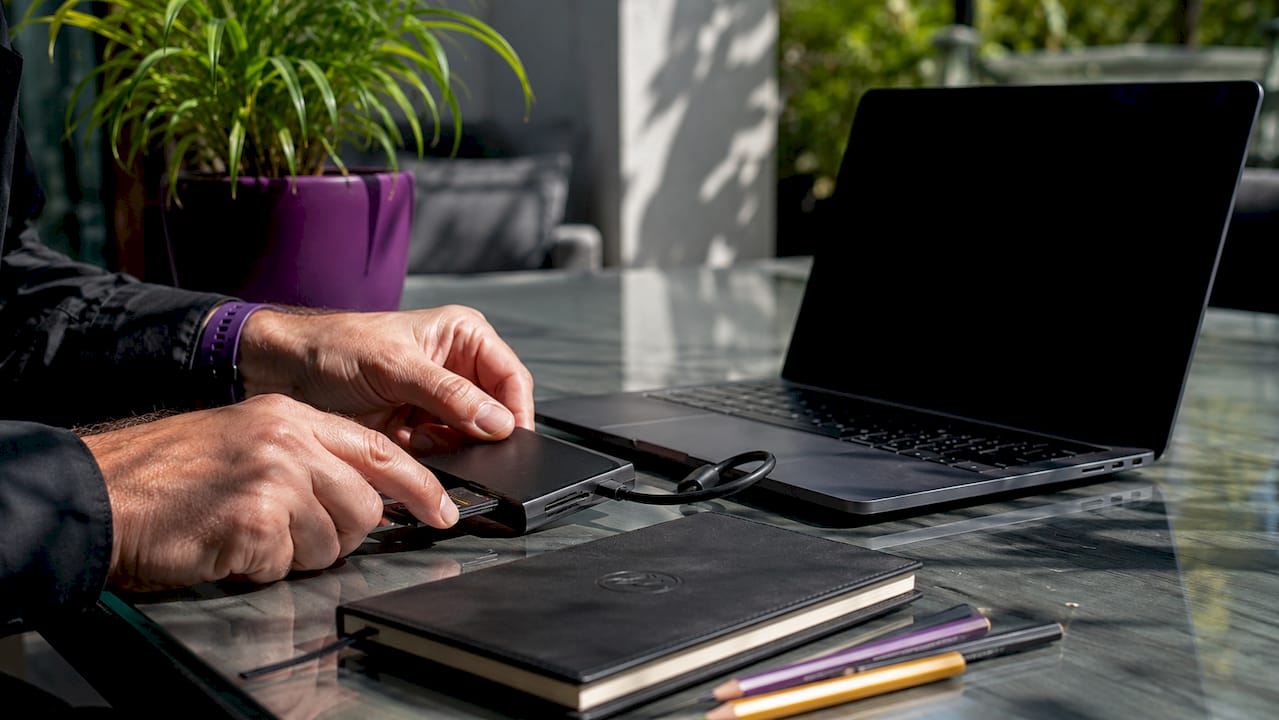
RAW files retain 2–3 stops of recoverable highlight detail and 3–5 stops of recoverable shadow detail post-capture. For landscape photographers shooting mixed lighting scenes, like a bright ocean horizon against a dark foreground, that recovery range is not a luxury. It is a necessity.
Pro Tip: Check your histogram after every shot in the field. A slightly underexposed RAW file is almost always recoverable. A blown-out JPEG highlight is gone permanently.
| Attribute | RAW | JPEG |
|---|---|---|
| Bit depth | 14-bit | 8-bit |
| Highlight recovery | 2–3 stops | Minimal |
| Shadow recovery | 3–5 stops | ~1 stop |
| Tonal values | 64x more than JPEG | Baseline |
| Banding risk on edit | Very low | High |
Why does flexible white balance in RAW matter for landscapes?
White balance in a RAW file is stored as metadata, not baked into the pixel data. That means you can change it after the shot with zero quality loss. Landscape lighting shifts constantly. Golden hour turns to blue hour in minutes. Open shade reads differently from direct sun. A JPEG locks in whatever white balance your camera chose at the moment of capture.
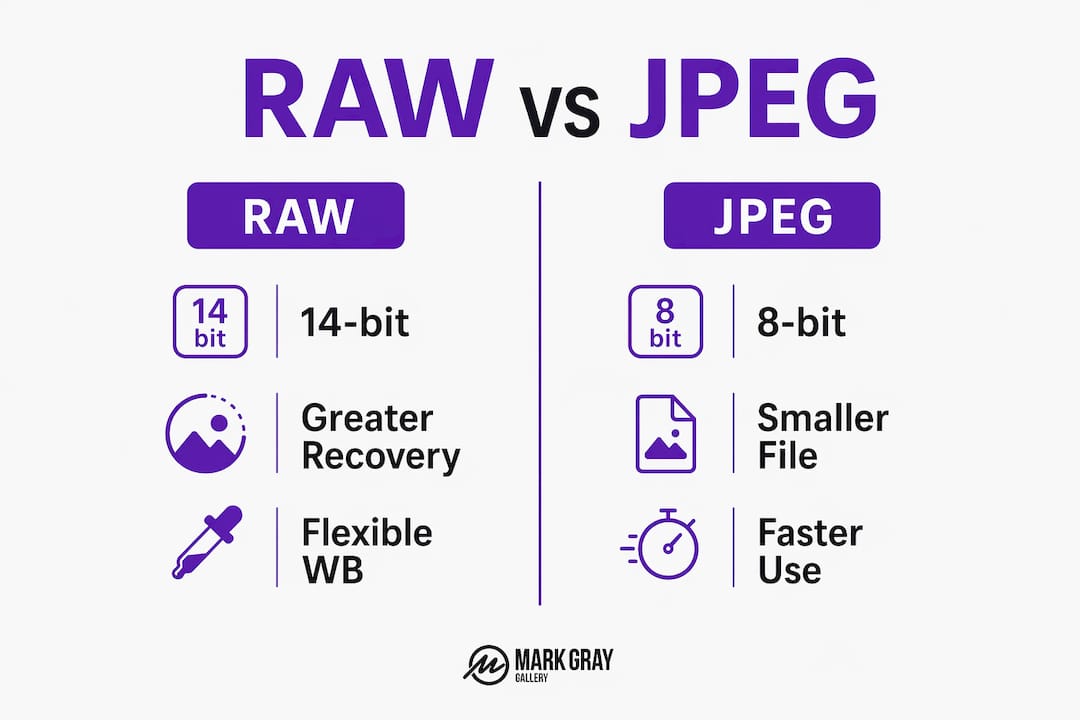
Changing white balance in RAW is mathematically identical to setting it correctly in-camera. That is a significant advantage when you are shooting fast-moving light conditions and cannot stop to dial in a custom white balance for every frame.
The practical benefits for landscape photographers include:
- Correcting mixed light sources. A scene lit by both warm sunset and cool shade can be balanced precisely in post without color fringing or quality loss.
- Matching color across a sequence. When shooting a panorama or time-lapse, consistent white balance across frames is critical. RAW makes that correction lossless.
- Creative color grading. Warming a misty morning scene or cooling a midday coastal shot becomes a deliberate creative choice, not a compromise.
- Recovering color casts. Overcast days often produce flat, greenish tones. RAW lets you correct these without degrading the image.
Pro Tip: Shoot with Auto White Balance in RAW. You lose nothing by doing so, and you gain the freedom to set the mood of your image at the editing stage rather than in the field.
What editing advantages does shooting RAW provide?
RAW editing is non-destructive by design. Every adjustment you make in software like Adobe Lightroom or Capture One is written as an instruction, not applied directly to the file. The original sensor data stays intact. That means you can return to any RAW file years later and re-edit it from scratch with no quality loss.
The editing controls available in RAW workflows go well beyond what JPEG allows. Here are the key advantages in order of impact for landscape photographers:
- Exposure recovery. Pull back a bright sky or lift a dark foreground without introducing noise or color shifts. Pushing exposure on JPEGs causes immediate quality degradation, while 14-bit RAW enables smooth luminance and color grading.
- Noise reduction. High-ISO shots taken at dusk or dawn respond far better to noise reduction algorithms when the full sensor data is present. JPEG compression discards data that noise reduction needs.
- Color grading. RAW gives you access to the full color gamut your sensor captured. Subtle shifts in hue and saturation stay clean and artifact-free.
- HDR merging. RAW is the industry standard for HDR merging and focus stacking, two techniques that are common in professional landscape workflows. Merging JPEGs introduces compression artifacts at every step.
- Sharpening and detail control. RAW files allow precise control over sharpening, which is applied after all other edits. JPEG sharpening is applied in-camera and cannot be undone.
Understanding post-processing in landscape photography is what separates a technically competent image from a memorable one. RAW is the foundation that makes that level of control possible.
When might JPEG be preferable for landscape shoots?
JPEG has real advantages in specific situations. JPEG files prioritize speed, smaller file size, and instant usability. For photographers who shoot high volumes, share images directly to social media, or work in fast-paced documentary contexts, JPEG removes the post-processing step entirely.
The most practical solution for many photographers is a hybrid approach. Shooting RAW+JPEG simultaneously gives you the editing latitude of RAW and the instant-share convenience of JPEG. Most modern cameras support this natively, and storage costs have dropped enough to make it viable for most shoots.
| Scenario | Best format | Reason |
|---|---|---|
| Challenging light, print output | RAW | Maximum recovery and quality |
| Social media, casual sharing | JPEG | Instant usability, smaller files |
| High-volume event or travel | JPEG or RAW+JPEG | Speed and workflow efficiency |
| HDR merging or focus stacking | RAW | Required for quality output |
| Learning and skill development | RAW | Forces active engagement with exposure |
Pro Tip: Know your end goal before you shoot. If the image is destined for a large-format print or a licensed stock use, RAW is non-negotiable. If it is a quick social post, JPEG is perfectly adequate.
How does shooting RAW accelerate photographer growth?
RAW is a pedagogical tool as much as a technical one. Photographers who shoot in RAW accelerate their understanding of light, exposure, and color interactions. When you sit down to edit a RAW file, you see exactly what your camera recorded. That feedback loop teaches you more about exposure decisions than any textbook.
The growth benefits of working with RAW files include:
- Recognizing exposure mistakes. RAW editing makes it obvious when you underexposed or overexposed, and shows you the cost of those decisions in real terms.
- Understanding color relationships. Adjusting white balance and color grading in RAW builds intuition about how light temperature affects mood and realism.
- Developing intentional habits. Shooting RAW helps photographers recognize their mistakes and improve decision-making in the field. That mindset is more valuable than relying on heavy fixes after poorly executed shots.
- Building a professional workflow. Editing RAW files consistently builds the kind of systematic approach that defines professional-grade output.
A common misconception is that RAW fixes poor technique. It does not. RAW is a powerful tool for control, but photographers must still compose thoughtfully and expose well on location to maximize its benefits. The skills learned in landscape photography courses reinforce exactly this point: RAW rewards good technique rather than replacing it.
Key Takeaways
Shooting in RAW format is the most effective way to preserve image quality and editing control for landscape photography, from capture through final output.
| Point | Details |
|---|---|
| Dynamic range advantage | RAW offers 2–4 stops of exposure recovery versus approximately 1 stop for JPEG. |
| White balance flexibility | RAW stores white balance as metadata, allowing lossless correction after capture. |
| Non-destructive editing | Every RAW adjustment is reversible, preserving original sensor data permanently. |
| Learning accelerator | Editing RAW files builds faster understanding of exposure, color, and light. |
| JPEG has its place | Hybrid RAW+JPEG shooting balances quality and workflow speed for high-volume shoots. |
RAW and the realities of shooting in the field
After years of photographing landscapes across Australia, Iceland, Norway, and French Polynesia, I can tell you that RAW has saved more images than any single piece of gear I own. The scenes that matter most are rarely the ones with perfect light. They are the ones where the sky turned faster than expected, or where the shadow detail in a canyon wall made the difference between a print worth selling and one worth deleting.
What I have found is that RAW does not make you lazy. It makes you honest. When I review my RAW files after a shoot, I see every exposure decision I made with complete clarity. That accountability has made me a better photographer over time, not a more careless one. The editing stage becomes a conversation with what you captured, not a rescue operation.
The one caution I would offer is this: do not let RAW become a reason to skip the work of getting the shot right in the field. Understanding light quality in landscape images before you press the shutter is still the most important skill you can develop. RAW gives you room to breathe in post-production. Good technique gives you something worth breathing life into.
If you are new to RAW, start by reading a solid guide to RAW photography to understand what the format actually captures and what it cannot fix. The learning curve is real but short, and the results speak for themselves in print.
— Mark
Mark Gray's landscape photography and workshops
Mark Gray is an internationally award-winning Australian landscape photographer whose work spans Australia, New Zealand, Iceland, Norway, French Polynesia, Spain, and the United Kingdom. His limited-edition prints are produced to the highest archival standards, and every image in the collection was shot in RAW format to ensure the tonal depth and color accuracy that large-format printing demands.
Whether you are a collector looking for a sensational statement piece or a photographer ready to deepen your craft, the Mark Gray Gallery offers premium landscape prints, photography courses across Australia, and multi-day workshop tours worldwide. Explore the full collection and find the image that speaks to your space.
FAQ
What is the main reason to shoot RAW for landscapes?
RAW captures the full sensor data your camera records, giving you 2–4 stops of exposure recovery and 64 times more tonal values than a JPEG. That latitude is critical for landscape scenes with high contrast between bright skies and dark shadows.
Does shooting RAW affect image quality compared to JPEG?
RAW preserves significantly more image quality than JPEG, especially during editing. Pushing exposure on a JPEG introduces banding and color degradation, while 14-bit RAW files handle strong adjustments without visible artifacts.
Can I change white balance after shooting in RAW?
Yes. White balance in a RAW file is stored as metadata and can be changed post-capture with zero quality loss. This is mathematically identical to setting the correct white balance in-camera.
Is RAW format worth the extra storage space?
For any image destined for print, licensing, or serious post-production, RAW is worth the storage cost. Hybrid RAW+JPEG shooting is a practical middle ground for photographers who also need fast-share files.
Does RAW help beginner landscape photographers improve faster?
RAW editing accelerates learning by showing photographers exactly what their exposure decisions produced. That direct feedback builds faster understanding of light and color than shooting JPEG alone.