
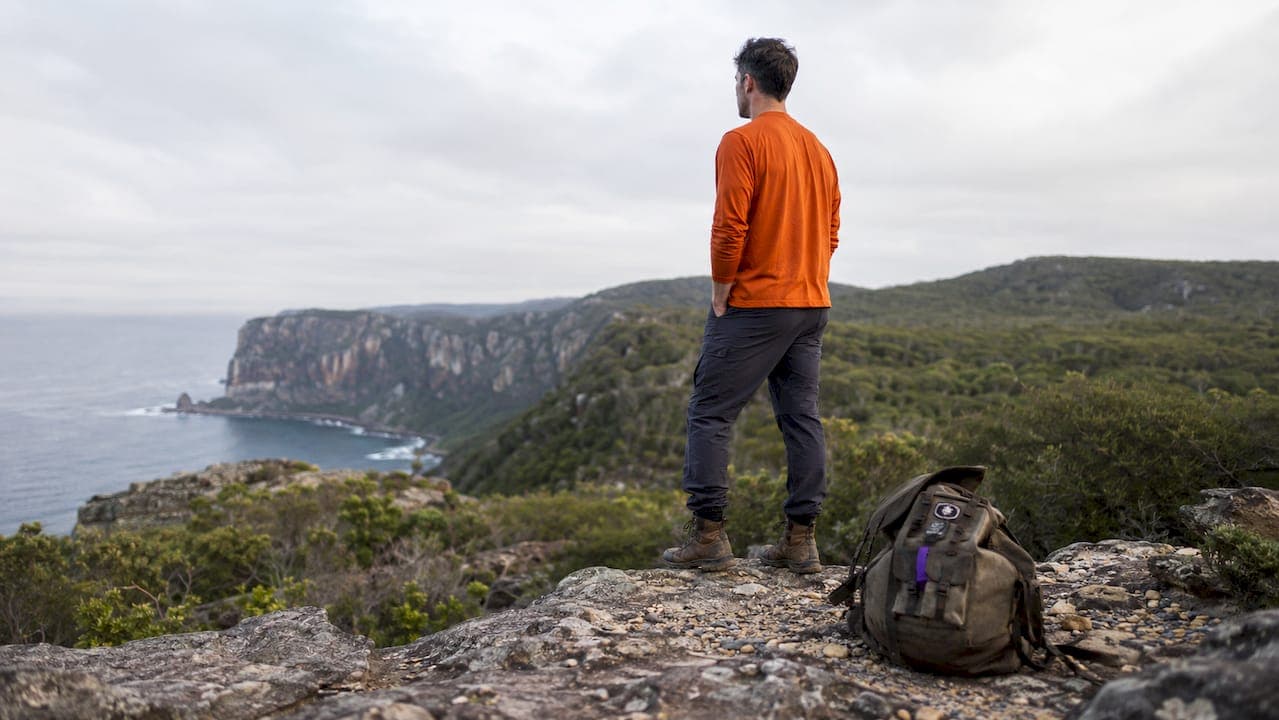
Australia is defined by six distinct natural landscape types: deserts, tropical rainforests, alpine mountains, savannahs, wetlands, and coastal marine zones. Each supports a completely different ecosystem, wildlife community, and outdoor experience. The types of Australian natural landscapes to explore range from the ancient Daintree Rainforest to the red sands of the Simpson Desert and the snow-capped peaks of the Australian Alps. Understanding these categories, which geographers map using both physical regions and coastal climatic overlays, is the most effective way to plan a trip that matches your interests and skill level.
1. types of australian natural landscapes to explore first: deserts
Australia's deserts are the continent's defining feature. Deserts cover roughly 70% of Australia's total landmass. That figure means the outback is not a fringe experience. It is the core of the continent.
The Great Victoria Desert, Simpson Desert, and Tanami Desert are the three most visited. Each offers a different character. The Simpson is famous for its parallel red sand dunes, more than 1,100 of them running north to south. The Great Victoria stretches across South Australia and Western Australia, covering over 420,000 square kilometers of scrubland and salt lakes. The Tanami, in the Northern Territory, is remote even by outback standards and rewards visitors with extraordinary solitude.
Desert landscapes deliver experiences unavailable anywhere else in Australia:
- Red sand dunes that glow orange and purple at sunrise and sunset
- Culturally significant sites including Uluru, Kata Tjuta, and N'Dhala Gorge
- Unique wildlife including thorny devils, bilbies, and red kangaroos
- Unobstructed night skies with some of the lowest light pollution on Earth
- Ancient geological formations shaped over hundreds of millions of years
Practical access requires real preparation. Remote outback travel demands a specialized 4WD vehicle, satellite communication, and permits for culturally sensitive areas. Standard rental car contracts typically prohibit unsealed road driving, so specialized outback hire is necessary. Booking iconic sites like Uluru or Kakadu requires securing permits months ahead to avoid cultural missteps and availability issues.
Pro Tip: Carry at least 3–5 days of extra food and water. Seasonal flooding and extreme heat can close access routes without warning, leaving travelers stranded for days.
For a deeper look at what defines this terrain, the outback landscape guide from Mark Gray's blog is an excellent starting point.
2. tropical rainforests: ancient ecosystems worth every step
The Daintree Rainforest is the world's oldest surviving tropical rainforest. At over 180 million years old and nearly 900,000 hectares in size, it predates the Amazon by tens of millions of years. That age matters because it means the Daintree contains plant and animal lineages found nowhere else on Earth.
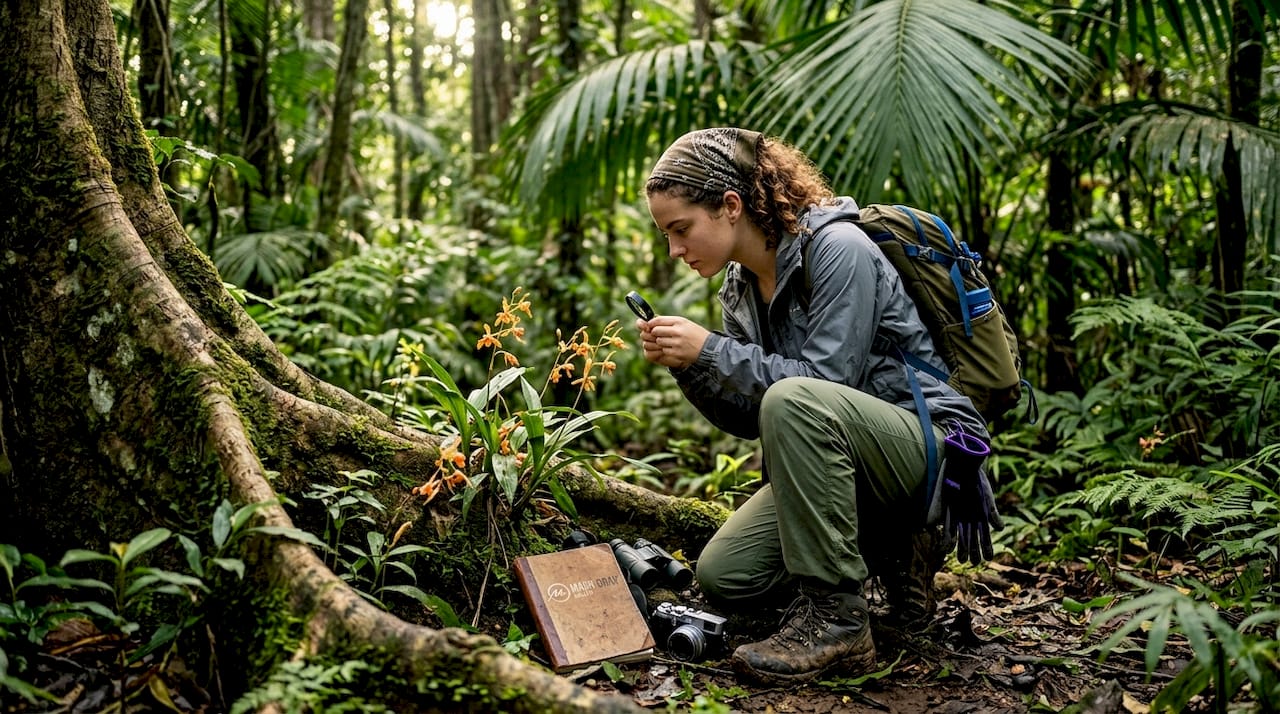
Located in Far North Queensland, the Daintree is a UNESCO World Heritage site. It sits where the rainforest meets the Great Barrier Reef, creating one of the most ecologically concentrated zones on the planet. Visitors encounter cassowaries, Boyd's forest dragons, and over 430 bird species within a single region.
Key experiences in Australia's tropical rainforests include:
- Guided canopy walks through multilayered forest above the Daintree River
- Indigenous cultural tours with Kuku Yalanji Traditional Owners
- Night walks to spot nocturnal wildlife including tree kangaroos and gliders
- River cruises for saltwater crocodile sightings in their natural habitat
Beyond the Daintree, the Wet Tropics of Queensland extend across 894,000 hectares of protected rainforest. The region receives up to 8,000 millimeters of rainfall annually in some areas, which drives the extraordinary plant density. Mossman Gorge and Cape Tribulation are two accessible entry points that reward even first-time visitors with dramatic scenery and wildlife encounters.
3. the australian alps: high country worth the climb
The Australian Alps are the continent's highest and most ecologically complex mountain system. The Alps cover 1.6 million hectares across 11 national parks, spanning New South Wales, Victoria, and the Australian Capital Territory. Most travelers are surprised to learn Australia has peaks exceeding 2,000 meters.
| Feature | Detail |
|---|---|
| Highest peak | Mount Kosciuszko at 2,228 meters |
| Total protected area | 1.6 million hectares across 11 national parks |
| Long-distance trail | Australian Alps Walking Track at 650 km |
| Seasonal appeal | Hiking in summer, snow sports in winter |
| Key parks | Kosciuszko, Alpine, Namadgi, and Mount Buffalo |
The 650 km Australian Alps Walking Track runs from Walhalla in Victoria to the outskirts of Canberra. It is one of Australia's most demanding long-distance routes, crossing subalpine meadows, snow gum forests, and exposed ridgelines. The alpine zone above the treeline supports rare species including the mountain pygmy possum and the corroboree frog, both found nowhere else.
Pro Tip: Visit the high country between December and February for wildflower displays across the subalpine meadows. The Blue Mountains photography workshop guide covers how to capture alpine light effectively in similar terrain.
Winter transforms the Alps into Australia's only true snow country. Perisher, Thredbo, and Falls Creek receive reliable snowfall between June and September, making the region a dual-season destination unlike any other in the country.
4. tropical savannahs and wetlands: the wild north
Australia's tropical savannahs and monsoonal wetlands cover the entire northern third of the continent. The Kimberley region alone spans approximately 424,000 square kilometers of gorge country, savannah woodland, and remote coastline. That scale is larger than California and comparable to Sweden.
The savannah is not a single environment. The Kimberley's gorge country, the Wilinggin open plains, and the Kakadu floodplains each demand different travel preparation and reward visitors with entirely different experiences. Gorge country requires hiking and sometimes swimming through slot canyons. The open savannah is best explored by 4WD or small aircraft. Kakadu's wetlands are most accessible by boat.
Wetland highlights across the tropical north include:
- Kakadu National Park in the Northern Territory, covering over 2 million hectares of floodplains, billabongs, and escarpment country
- Yellow Water Billabong in Kakadu, one of Australia's premier wildlife viewing sites for saltwater crocodiles and migratory birds
- Ord River system in the Kimberley, supporting barramundi fishing and extraordinary bird diversity
- Wilinggin Country near Derby, where ancient boab trees mark the transition between savannah and gorge terrain
The monsoonal wet season, from November through April, floods vast areas and closes many roads. The dry season, from May through October, is the prime window for exploration. Wildlife concentrates around permanent water sources during the dry, making animal sightings more reliable than almost anywhere else in Australia.
Many sites in this region contain culturally sensitive areas not marked on standard maps. Engaging local Indigenous operators is the only way to access certain gorges and rock art sites respectfully and legally.
5. coastal and marine landscapes: where land meets ocean
Australia's coastline stretches approximately 36,000 kilometers. The marine and coastal zone is one of the most biologically productive landscape types on the continent, and it is also the most accessible for most travelers.
The Great Barrier Reef is the world's largest coral reef system, extending over 2,300 kilometers along Queensland's northeast coast. It supports more than 1,500 fish species, 4,000 mollusk species, and 240 bird species. Snorkeling and diving here delivers encounters with marine life that rival any destination on Earth.
| Coastal Zone | Key Feature | Best Activity |
|---|---|---|
| Great Barrier Reef, QLD | World's largest coral reef | Diving and snorkeling |
| Ningaloo Reef, WA | Whale shark aggregation site | Swimming with whale sharks |
| Twelve Apostles, VIC | Limestone sea stacks | Scenic drives and photography |
| Wilsons Promontory, VIC | Southernmost mainland point | Hiking and wildlife viewing |
| Fitzgerald River, WA | Temperate coastal heath | Wildflower walks and whale watching |
Beyond the reef, Australia's temperate southern coast offers a completely different character. The Great Ocean Road in Victoria passes sea stacks, surf beaches, and ancient rainforest within a single day's drive. Wilsons Promontory National Park delivers granite headlands and white sand beaches accessible only on foot. The scenic drives photography guide covers the best coastal routes for capturing this variety on camera.
Coastal wetlands and estuaries add another layer to this zone. Mangrove systems along the tropical north support juvenile fish populations and roosting birds. Temperate estuaries in New South Wales and Victoria are critical habitat for migratory shorebirds traveling the East Asian Australasian Flyway.
Key takeaways
Australia's natural landscapes reward exploration most when travelers match the right season, preparation level, and access method to each specific terrain type.
| Point | Details |
|---|---|
| Deserts dominate the continent | Roughly 70% of Australia is desert, making outback travel the defining national experience. |
| Rainforests hold ancient biodiversity | The Daintree at 180 million years old contains species found nowhere else on Earth. |
| Alpine terrain is dual-season | The Australian Alps offer summer hiking and winter snow sports across 1.6 million hectares. |
| The north requires seasonal timing | Tropical savannahs and wetlands are best explored during the dry season from May through October. |
| Coastal access is the easiest entry point | The Great Barrier Reef and coastal national parks offer world-class experiences with minimal logistics. |
What i've learned photographing every corner of australia
After years of working across every major landscape type in this country, the single most important lesson I can share is this: the photographs that stop people in their tracks are almost never taken at the obvious viewpoint at midday.
The desert rewards patience above all else. I have stood at the same dune in the Simpson at dawn and at noon. They look like different planets. The red sand at first light carries a warmth and depth that no filter can replicate. The same principle applies in the Alps, where the subalpine meadows shift from gray-green to gold in the final 20 minutes before sunset.
The tropical north taught me something different. Kakadu and the Kimberley are not just visually spectacular. They carry a cultural weight that changes how you see the land. Working alongside Indigenous guides at sites like the Bungle Bungle Range gave me access to stories and perspectives that transformed my images from scenic records into something with genuine meaning. I would not have found those culturally significant sites without local guidance, and I would not have understood what I was looking at without that context.
My honest advice for anyone planning to explore these landscapes: do not try to cover too much ground. Pick one landscape type per trip and go deep. The photography workshops in regional Australia I run are built around this philosophy. One location, explored fully, over multiple days and lighting conditions, produces better images and better memories than a rushed circuit of five regions.
— Mark
Capture australia's natural landscapes through a photographer's eye
Australia's natural wonders deserve more than a snapshot. Mark Gray's award-winning landscape photography workshops take you directly into the country's most spectacular terrain, from the red deserts of the outback to the ancient rainforests of Far North Queensland.
Whether you are an enthusiast looking to sharpen your eye or a traveler who wants to return home with images that genuinely reflect what you witnessed, Mark Gray Gallery offers one-day photography courses and multi-day workshop tours across Australia's most photogenic regions. Explore the full range of landscape photography workshops and limited edition prints at Mark Gray Gallery, and let Australia's extraordinary terrain inspire your next adventure.
FAQ
What are the main types of australian natural landscapes?
Australia's six primary landscape types are deserts, tropical rainforests, alpine mountains, tropical savannahs, monsoonal wetlands, and coastal marine zones. Each supports distinct ecosystems and outdoor experiences.
Which australian landscape is best for first-time visitors?
The coastal zone, including the Great Barrier Reef and national parks like Wilsons Promontory, offers the most accessible entry point. These areas require minimal specialized equipment and are open year-round.
Do i need permits to explore remote australian landscapes?
Yes. Remote outback regions and many culturally significant sites require permits. Iconic locations like Uluru and Kakadu have specific access rules, and booking months in advance is strongly recommended.
When is the best time to visit australia's tropical north?
The dry season from May through October is the optimal window. Seasonal flooding during the wet season closes many roads and restricts access to wetlands, savannahs, and gorge country across the Kimberley and Kakadu.
How old is the daintree rainforest?
The Daintree is over 180 million years old, making it the world's oldest surviving tropical rainforest and significantly older than the Amazon.