
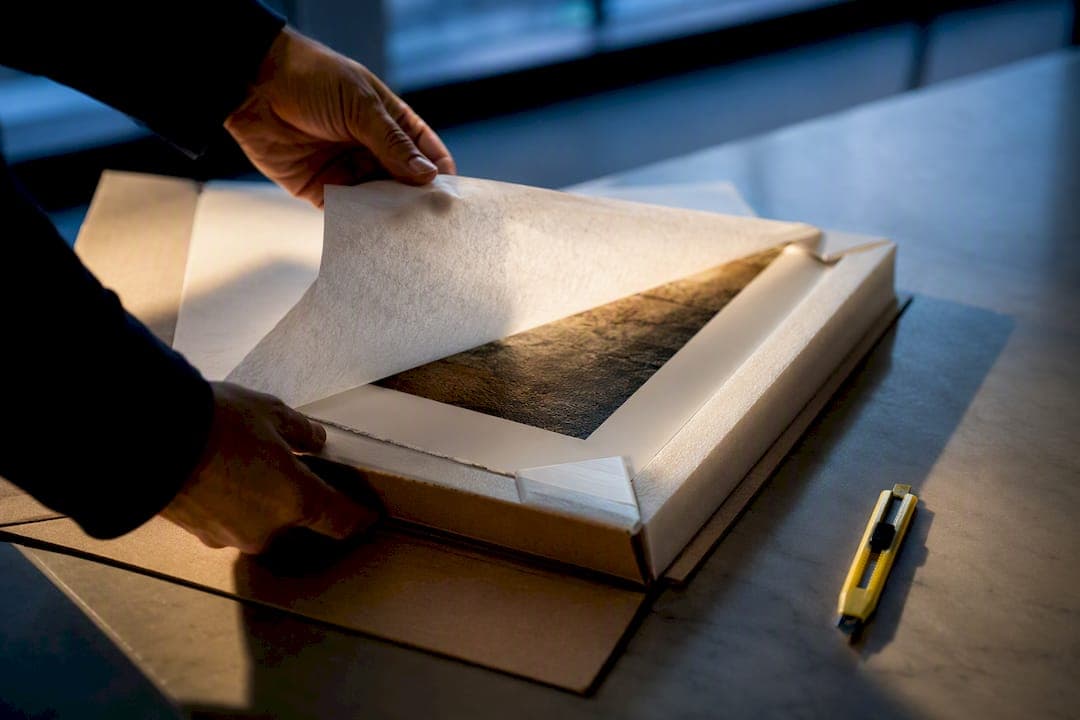
When you buy from a reputable gallery, you should receive a numbered, signed print with a certificate of authenticity, provenance documentation, and a choice of framed or unframed delivery. Processing typically takes some days depending on framing, and the gallery stands behind the print's condition on arrival. Anything less than this should raise questions before you complete a purchase.
TL;DR:
- Limited edition prints are capped at a specific number, like 50, and must be individually numbered and signed to guarantee authenticity and value.
- Framed prints require more production time due to printing, signing, quality checks, and custom framing, often extending delivery by several days.
- Buyers should verify the edition number, signature, and authenticity certificate upon arrival, and photograph the print and packaging before handling or disposal.
- Insurance coverage is essential for high-value prints during transit, with separate policies recommended for ongoing protection against theft or damage.
- A reputable gallery provides detailed provenance documentation, transparent edition practices, and quality standards to ensure long-term collector value.
Table of Contents
- How Buying Fine Art Prints Online Actually Works
- Delivery Timelines: Framed vs Unframed Prints
- How Should Your Print Arrive, and What Do You Check First?
- What Happens if a Print Arrives Damaged or You Change Your Mind?
- How Mark Gray Gallery Supports Collectors
- Building a Print Collection That Lasts
- Ready to Add to Your Collection?
- Where to Learn More About Print Collecting
- Sources
- FAQ
How Buying Fine Art Prints Online Actually Works
Ordering a limited edition photograph should feel closer to acquiring an asset than checking out on a retail site. The flow generally runs in a predictable sequence, and knowing it in advance helps you spot a gallery that takes its edition practice seriously.
- Browse the image and confirm which edition and size you want, since photographic prints are usually offered across several dimensions with separate edition runs for each.
- Choose framed or unframed at checkout, along with mounting style if framing is offered.
- Complete payment through the gallery's standard options, typically card or direct bank transfer for higher value pieces.
- Receive order confirmation with an estimated production and delivery window.
Edition type matters more than most first time buyers realize. A limited edition print is capped at a fixed number of copies, individually numbered (for example, 4/50), and that scarcity is part of what supports its long term value. An open edition has no cap and is priced accordingly lower. Some galleries also release a small run of artist's proofs, marked "AP" instead of a number, historically kept by the photographer for personal or promotional use. According to 1stDibs' buying guide, edition numbering and a genuine signature are two of the strongest signals of collectibility in the photography market.
The certificate of authenticity that accompanies the sale should list the edition number, total edition size, print medium, dimensions, and the artist's signature. Save this document alongside your receipt and delivery note. Together they form the provenance record you'll need if you ever sell, insure, or authenticate the piece down the line.
Delivery Timelines: Framed vs Unframed Prints
Production timing depends heavily on one decision: framed or unframed. An unframed print, shipped rolled in a protective tube, generally moves faster because it skips the framing workshop entirely. A framed piece adds real time, since it has to be printed, signed, quality checked, and then built into a frame before it ever leaves the gallery.
- Printing happens first, using archival pigment inks on museum grade paper, a process worth understanding if you want to know why fine art prints cost what they do and last for decades rather than years.
- Signing and numbering follow once the print passes a color and tonal check.
- Certificate preparation happens alongside signing, matching the physical print to its paperwork.
- Framing or mounting, if ordered, adds the longest stretch to the timeline. Specialty mounting such as Diasec, where a print is face mounted to acrylic, requires additional handling care because the mounting method changes how the piece is packed and transported, and it's worth reading up on framing options before you decide.
- Packing and dispatch close out the process, with tracking details sent once the piece is on its way.
International orders carry their own variable. Customs paperwork and import handling differ by country, so buyers outside the gallery's home market should expect longer, less predictable lead times than domestic ones. If you've ordered a large framed piece, arrange a firm delivery appointment or, where offered, a collection time, rather than leaving it to arrive unannounced at your door.
How Should Your Print Arrive, and What Do You Check First?
A well-packed limited edition print looks almost overengineered for its size, and that's exactly the point. Unframed prints typically travel in rigid tubes with acid free interleaving paper protecting the print surface from friction. Framed works ship flat in custom crates or heavy duty cartons with corner protection and, for larger pieces, a full timber crate.
The moment your print arrives, work through it methodically before you sign for anything or file the packaging away.
- Confirm the edition number and signature match what's stated on your invoice and certificate.
- Check that the certificate of authenticity is physically present in the package, not just referenced in an email.
- Look at the print under natural light for any tonal shift, staining, or fading that wasn't visible in listing photos.
- Inspect the frame, glazing, and corners for transit damage if you ordered a framed piece.
- Photograph the print, packaging, and any shipping labels before you dispose of the box.
If you ordered unframed, unroll the print gently on a clean, flat surface and let it relax before flattening it under weighted archival boards. Never leave it in direct sunlight, and if you're not framing right away, store it flat inside an archival folder rather than leaving it rolled long term. If you spot any damage, stop before attempting to flatten or handle the piece further and contact the gallery or a professional framer instead.
Pro Tip: Photograph the print immediately on arrival, including the edition number and any packaging damage, before you unroll or reframe anything. Specialist buying guides consistently recommend this step because timestamped photos are often the first thing an insurer or the gallery asks for if a claim ever needs to be filed.
What Happens if a Print Arrives Damaged or You Change Your Mind?
Reputable galleries publish clear terms before you buy, not after something goes wrong. Expect a defined return window, usually limited to unused, undamaged prints in original packaging, with custom framing typically excluded from returns since it's built to your specification.
Insurance is where collectors most often underprepare. A declared value at the point of sale, paired with transit insurance, protects you if a piece is lost or damaged in transit, and it's worth confirming whether that cost sits with the gallery or the courier by default. For higher value acquisitions, dedicated collector shipping insurance can cover packing and claims beyond what a standard courier policy offers.
If you do need to file a claim, insurers and galleries typically ask for the same core documents:
- Your original receipt and order confirmation.
- The certificate of authenticity.
- The delivery note or tracking record.
- Arrival photos showing the damage or discrepancy.
For anything beyond minor surface issues, involve a professional conservator before attempting any repair yourself. A print that's been improperly handled after damage loses value far faster than one left alone until an expert assesses it.
How Mark Gray Gallery Supports Collectors
The gallery's print program reflects high production standards. Every limited and open edition print goes through the same archival process: pigment based printing on museum grade paper, a quality check against the original file, and a certificate of authenticity prepared before dispatch. You can read more about how the printing process works and how it compares to print on demand versus limited edition runs.
A collection built on consistent archival standards, transparent edition numbering, and documentation you can actually use later, whether that's for insurance, resale, or simply knowing your print's place in a limited run.
Collectors with questions about provenance, framing options, or a specific edition's remaining availability are welcome to contact the gallery directly. Photography courses and multi day landscape workshops are also available for buyers who want to understand the craft behind the images they're collecting.
— Mark
Building a Print Collection That Lasts
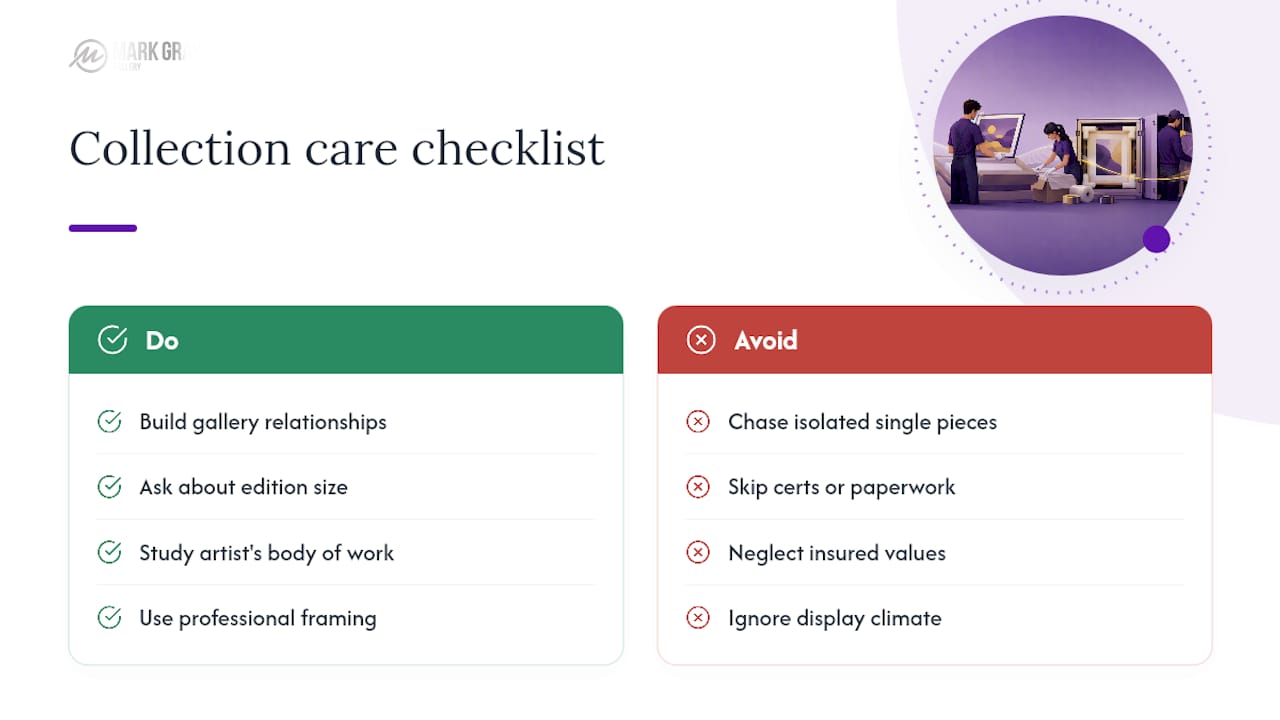
A collection worth having is built one relationship at a time, not one transaction at a time. Buyers who return to the same gallery, ask about edition sizes, and get to know an artist's body of work tend to make sharper decisions than those chasing single pieces in isolation, a pattern collecting guides consistently point to.
Professional framing and stable, climate controlled display conditions do more for long term value than almost anything else you can control after purchase. Keep a simple log of every acquisition, its certificate, and its insured value, and revisit that log annually. It's a small habit, and it's the difference between owning prints and actually managing a collection.
Ready to Add to Your Collection?
Browsing Mark Gray's available editions is the easiest way to see current sizes, formats, and remaining numbers in each limited run before they sell out.
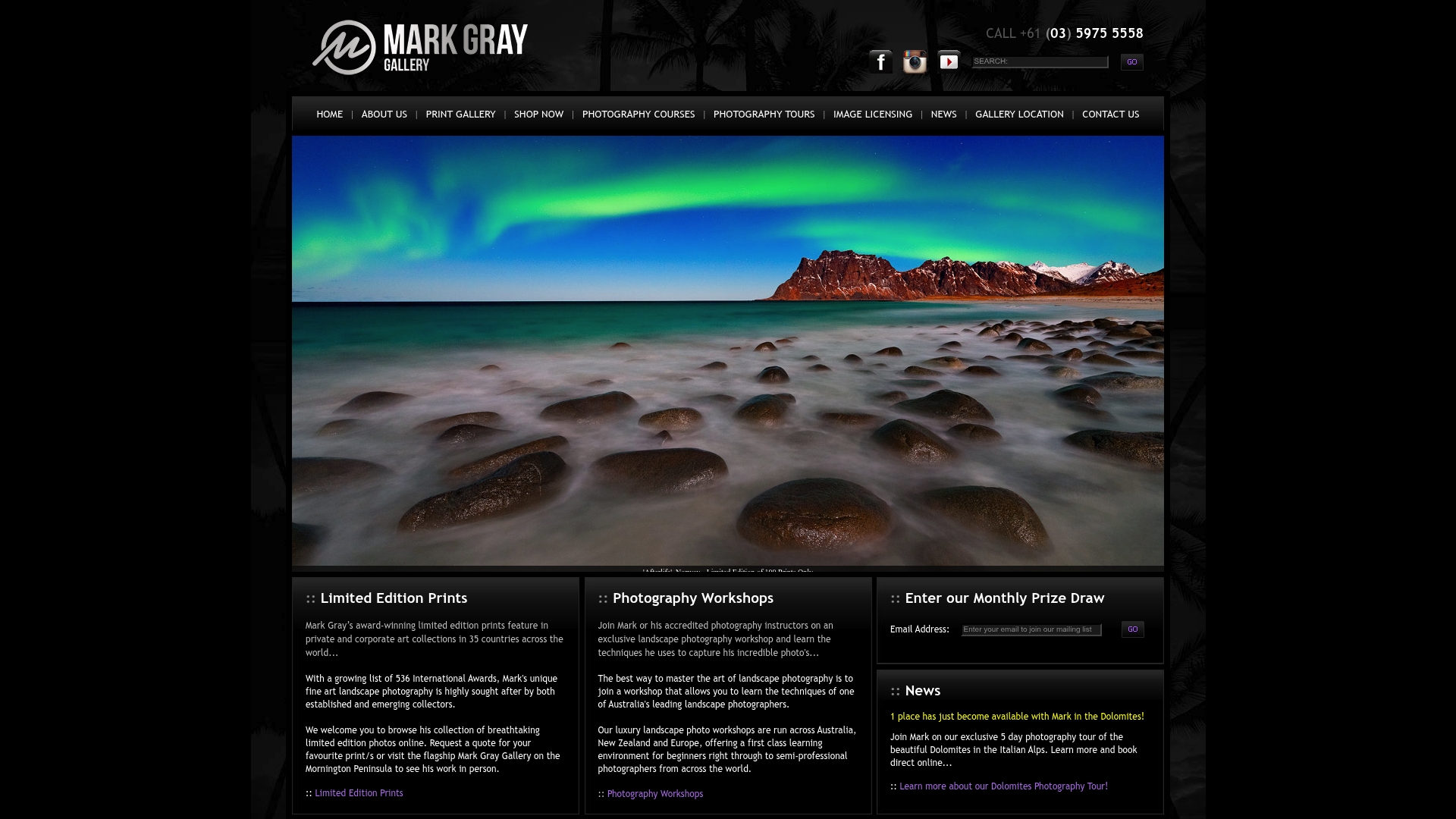
Every print listed comes with documentation such as edition number, signature, and certificate of authenticity prepared before dispatch. If you're weighing framed against unframed, or you have a question about a specific edition's provenance, the gallery is a direct point of contact rather than a support queue. Collectors who want to go deeper into the craft itself can also look at Mark's photography courses and workshops, a natural next step if you'd rather understand how these landscapes are made before deciding which one belongs on your wall. Start by browsing the full print collection to see what's currently available and request edition details on any piece that catches your eye.
Where to Learn More About Print Collecting
Collectors who want to go beyond gallery practice and study the wider market have solid ground to stand on. These resources cover edition standards, authenticity verification, and the terminology that comes up repeatedly once you start buying seriously.
- Sotheby's Print Collecting 101 covers firsthand inspection standards and how to read a print's catalogue details.
- Christie's guide to collecting fine art photography explains edition size, condition grading, and provenance in an auction house context.
- 1stDibs' enthusiast's buying guide offers a practical, buyer focused view of what to check before purchasing.
- The IFPDA glossary of terms and techniques is useful if you run into unfamiliar print terminology.
Sources
- An Enthusiast’s Guide to Buying Fine‑Art Photography Prints
- A new collector’s guide to fine art photography | Christie's
- Print Collecting 101 | Sotheby’s
FAQ
What Does "Limited Edition" Mean for a Photographic Print?
It means the total number of prints made in that size is capped and each one is individually numbered, unlike an open edition, which has no cap.
What Should a Certificate of Authenticity Include?
A proper COA lists the edition number, edition size, print medium, dimensions, and the artist's signature, and it should come from the artist or an authorized representative.
Should I Buy a Print Rolled or Framed?
Unframed rolled prints ship faster and cost less, while framed prints take longer to produce but arrive ready to hang; the right choice depends on your timeline and whether you want to select your own framer.
What Should I Check the Moment My Print Arrives?
Verify the edition number and signature against your invoice, confirm the certificate of authenticity is included, inspect the print under natural light, and photograph everything before disposing of the packaging.
Do I Need Separate Insurance for a Fine Art Print?
For higher value pieces, yes. Transit insurance at the point of sale covers loss or damage in shipping, but ongoing coverage for display or storage is usually a separate policy you arrange yourself.