
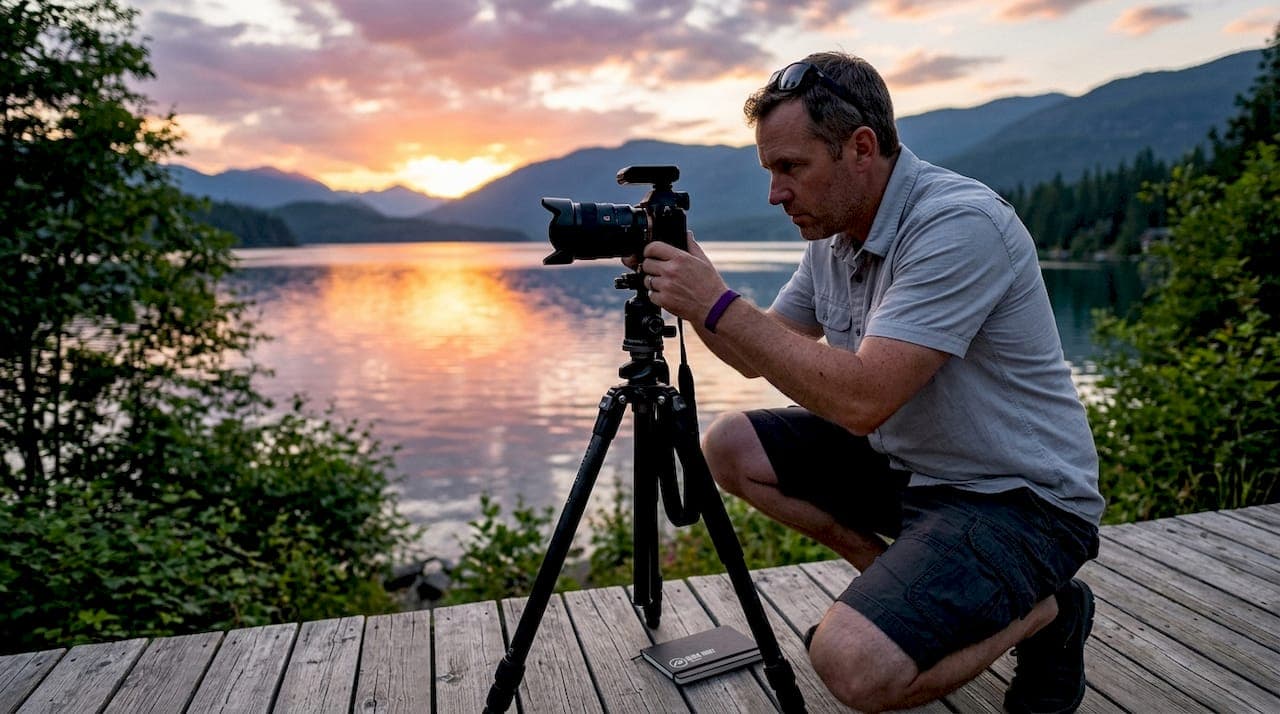
Professional photography is defined as the deliberate practice of capturing images through expert technique, specialized equipment, and creative intent. The gap between a professional photograph and a tourist snapshot is not just technical. It is the difference between a lasting heirloom and a forgotten file. 67% of families who rely only on smartphone photos during vacations regret it within six months, citing missed moments and poor image quality. That statistic reveals a real cost to choosing convenience over craft. Why professional photography beats tourist photos comes down to three factors: superior gear, intentional composition, and the irreplaceable experience of being fully present in the moment.
What technical advantages do professional photographers have over tourists?
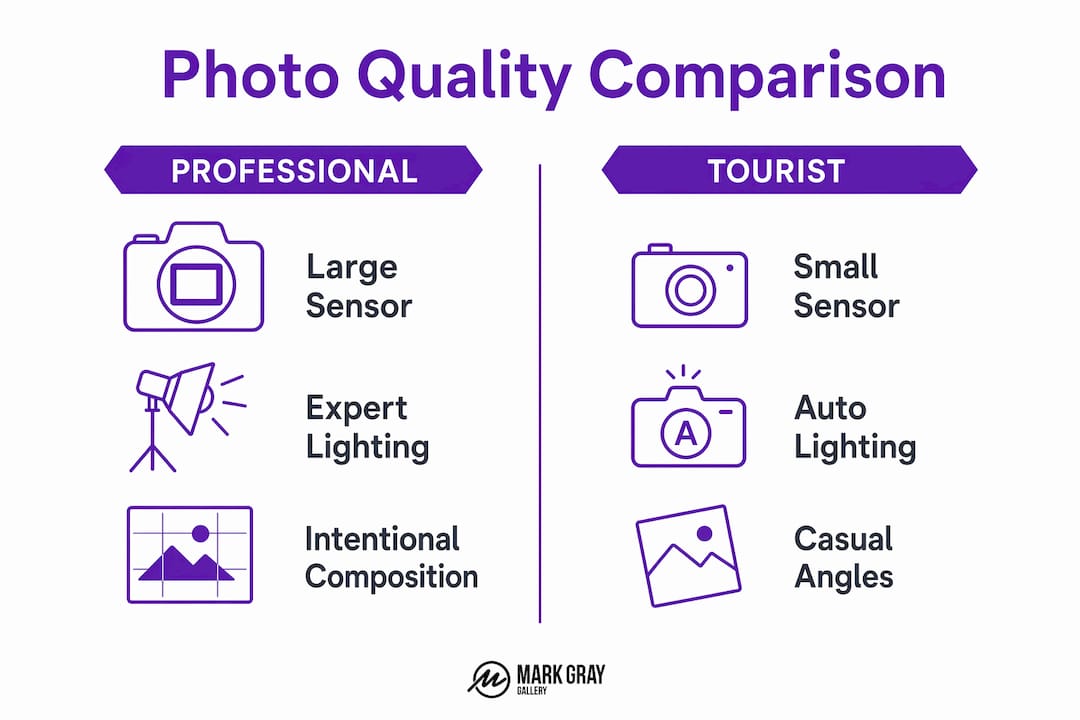
Professional cameras deliver image quality that smartphones cannot replicate. Larger sensors capture more light, producing richer tones and finer detail in shadows and highlights. Professional gear allows greater dynamic range and precise control over depth of field, two qualities that define the visual weight of a photograph. A blurred background that isolates a subject, or a landscape where both foreground rocks and distant peaks are sharp, requires optics and sensor size that no smartphone currently matches.
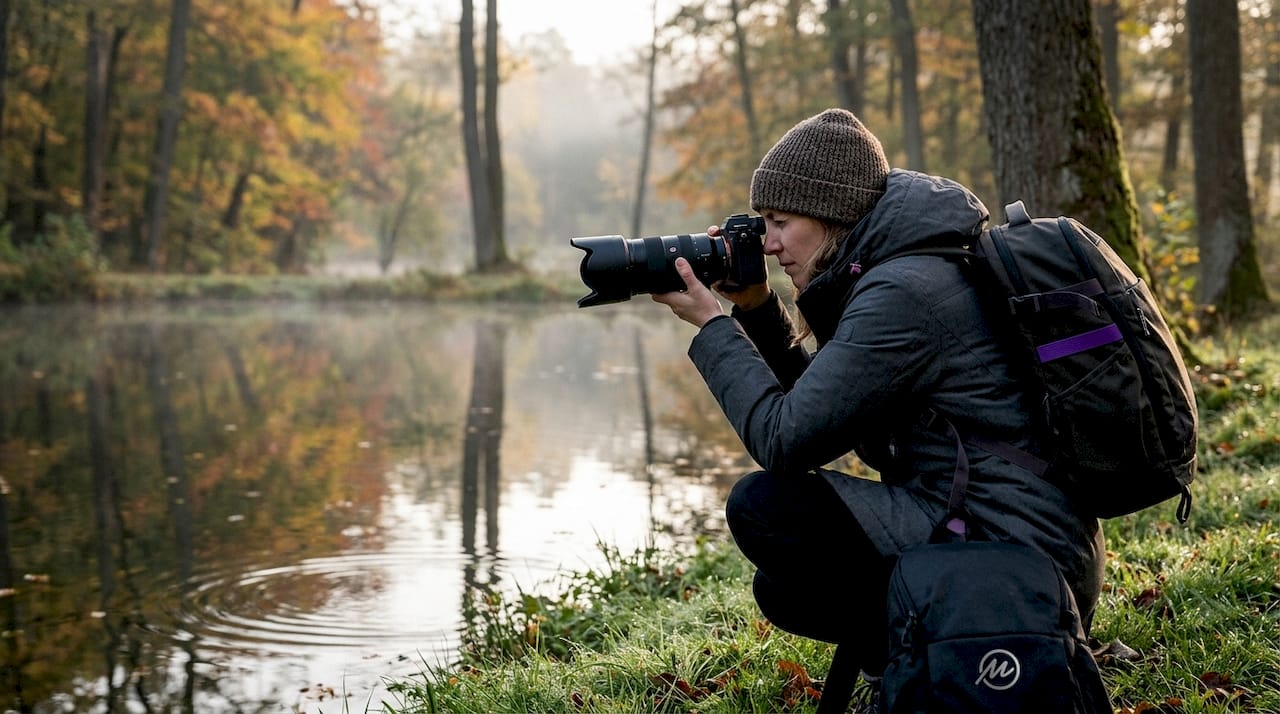
Lighting control separates good photographers from great ones. Professionals understand how to read and work with natural light at any time of day. Golden hour and overcast conditions each require different positioning and exposure settings, and professionals tailor their approach to the specific quality of light available. A tourist pointing a phone at a backlit subject gets a silhouette. A professional adjusts exposure compensation, repositions the subject, or uses a reflector to balance the scene.
Consistency across an entire album is another technical advantage that rarely gets discussed. Professional photos remain consistent in color tone and exposure from the first frame to the last. Smartphone images often vary dramatically depending on auto-settings, changing light, and different shooting modes. That inconsistency disrupts the visual narrative of an album and makes printing a coherent set nearly impossible.
| Technical Factor | Professional Camera | Smartphone |
|---|---|---|
| Sensor size | Large, captures more light | Small, limited in low light |
| Dynamic range | Wide, preserves shadow and highlight detail | Narrow, clips highlights easily |
| Depth of field control | Full manual control with specialized lenses | Limited, software-simulated blur |
| Color consistency | Consistent across entire session | Varies with auto-settings |
| Post-processing flexibility | RAW files allow extensive editing | Compressed files limit editing range |
Pro Tip: Shoot during the golden hour, the 30–60 minutes after sunrise or before sunset, when natural light is warm, directional, and flattering for both portraits and landscapes. Professionals plan entire sessions around this window.
How do professionals use composition and creative intent to elevate photos?
The fundamental difference between a tourist picture and a professional photograph is intent. Professionals plan composition, exposure, and timing before pressing the shutter. They are not documenting a scene. They are shaping it. That distinction produces images with emotional weight rather than mere visual records.
Expert Dirk Petzold describes the "Crowd Compression Effect" where tourists cluster at a handful of predictable angles, collapsing visual variety into the same clichéd shots seen on every travel blog. Professionals deliberately avoid these positions. They seek perspectives that feel authentic and untouched, producing images that stand apart from the thousands of identical tourist frames taken at the same spot each day.
"Professional photographers focus less on resolution and more on shaping the scene, choosing moments, light, and angles that elicit natural emotion and connection." — Is Hiring a Photographer in Lisbon Worth It?
Composition principles that professionals apply consistently include:
- Rule of thirds: Placing subjects off-center creates visual tension and draws the eye naturally across the frame.
- Leading lines: Roads, rivers, and fences guide the viewer's gaze toward the main subject.
- Foreground interest: Including a strong foreground element adds depth and dimension to landscape shots.
- Negative space: Deliberate empty space around a subject communicates scale, solitude, or calm.
- Light direction: Sidelighting reveals texture. Backlighting creates mood. Front lighting flattens a scene.
These are not rules tourists ignore by accident. They are principles that require training, practice, and a trained eye to apply under real conditions. A professional applies them instinctively. A tourist rarely considers them at all.
Why does hiring a professional enhance personal experience and memory preservation?
Hiring a professional photographer removes the technical burden from your experience. When you are not managing settings, checking screens, or asking strangers to take your photo, you are actually present in the moment. That presence shows in the images. Candid expressions, genuine laughter, and natural interactions replace the stiff, self-conscious poses that characterize most tourist selfies.
One of the most overlooked benefits of hiring a photographer is that the person who usually takes the photos finally appears in them. Every family has someone who documents every trip but owns no record of being there. A professional session fixes that permanently. The result is a complete visual story that includes everyone.
Professional photography sessions are consistently rated as key trip highlights and lasting family heirlooms. Clients report satisfaction with the quality and emotional value of their images years after the session. That long-term appreciation is the clearest measure of whether professional photography is worth it.
Here is a practical approach to getting the most from a professional session:
- Book early in your trip. If the first session produces images you love, you may want to book another.
- Choose a location with personal meaning. Generic tourist spots produce generic results. A place that matters to you produces images that matter.
- Communicate your style preference. Tell the photographer whether you prefer candid, editorial, or posed work before the session begins.
- Dress with intention. Coordinated colors photograph better than matching outfits, and solid tones hold up better in print than busy patterns.
Pro Tip: Ask your photographer about guided photography tours that combine location expertise with shooting instruction. You learn while you shoot, and the results reflect both.
How does professional photography improve branding and personal artistic projects?
Professional imagery signals credibility before a single word is read. Websites featuring professional-grade photography see up to 45% higher conversion rates and bounce rates reduced by up to 30%. Those numbers reflect a simple truth: people trust what looks authoritative and considered. Amateur images communicate the opposite, regardless of how good the underlying product or story is.
Professional photography improves perceived brand trust and shapes buyer behavior in ways that generic stock images cannot. Custom photography communicates identity. It tells a specific story about a specific person, place, or product. Generic amateur images tell no story at all. For artists, content creators, and anyone building a personal brand, the quality difference in vacation photos or location shoots translates directly into audience engagement and perceived authority.
The advantages of professional photography for personal artistic projects include:
- Print quality: Professional RAW files hold detail at large print sizes. Smartphone images often fall apart above A4.
- Licensing value: High-resolution professional images can be licensed for commercial use, generating ongoing value from a single shoot.
- Narrative coherence: A curated set of professional images tells a story. A folder of tourist snapshots does not.
- Artistic longevity: Well-composed, technically sound images remain relevant and printable for decades.
| Project Type | Amateur Photos | Professional Photos |
|---|---|---|
| Personal album | Inconsistent quality, variable color | Consistent, print-ready, emotionally resonant |
| Brand website | Lower trust, higher bounce rate | Higher conversion, stronger credibility |
| Art print | Limited resolution, compressed files | Large-format capable, archival quality |
| Social media | Adequate for casual sharing | Higher engagement, stronger visual identity |
Key takeaways
Professional photography beats tourist photos because it combines technical mastery, intentional composition, and the freedom to be fully present, producing images with lasting emotional and artistic value.
| Point | Details |
|---|---|
| Technical superiority | Professional cameras deliver greater dynamic range, depth of field control, and color consistency than smartphones. |
| Intentional composition | Professionals shape scenes using leading lines, foreground interest, and deliberate light direction rather than simply recording what is there. |
| Complete memory preservation | Hiring a professional means everyone appears in the photos, including the person who usually holds the camera. |
| Long-term value | Professional sessions are rated as lasting heirlooms, with clients reporting satisfaction years after the shoot. |
| Brand and artistic impact | Professional images increase website conversion rates and deliver print-ready files suitable for licensing and large-format display. |
What I have learned after years behind the lens
After decades of photographing landscapes across Australia, Iceland, Norway, and French Polynesia, I can tell you that the single biggest difference between a tourist snapshot and a photograph worth printing large is not the camera. It is the decision made before the shutter fires.
Tourists react to scenes. Professionals anticipate them. I have stood at a location for an hour waiting for the light to shift two degrees before pressing the shutter. That patience is invisible in the final image, but it is entirely responsible for the result. No amount of post-processing recovers a moment captured in the wrong light at the wrong angle.
The other thing I have noticed is how often people underestimate the role of post-processing in the final image. A RAW file from a professional camera is a starting point, not a finished photograph. The editing stage is where tonal balance, color grading, and fine detail are refined. Smartphone JPEGs are processed in-camera with no flexibility. That distinction alone explains much of the quality difference readers notice when they compare prints side by side.
My honest advice: if a location or moment matters to you, invest in capturing it properly. The regret of a blurry, poorly lit photo of a place you may never return to is far more expensive than the session itself.
— Mark
Award-winning professional photography worth your wall
Mark Gray is an internationally recognized Australian photographer whose work spans some of the world's most extraordinary landscapes, from the red deserts of the Australian Outback to the dramatic coastlines of Iceland and the turquoise waters of French Polynesia.
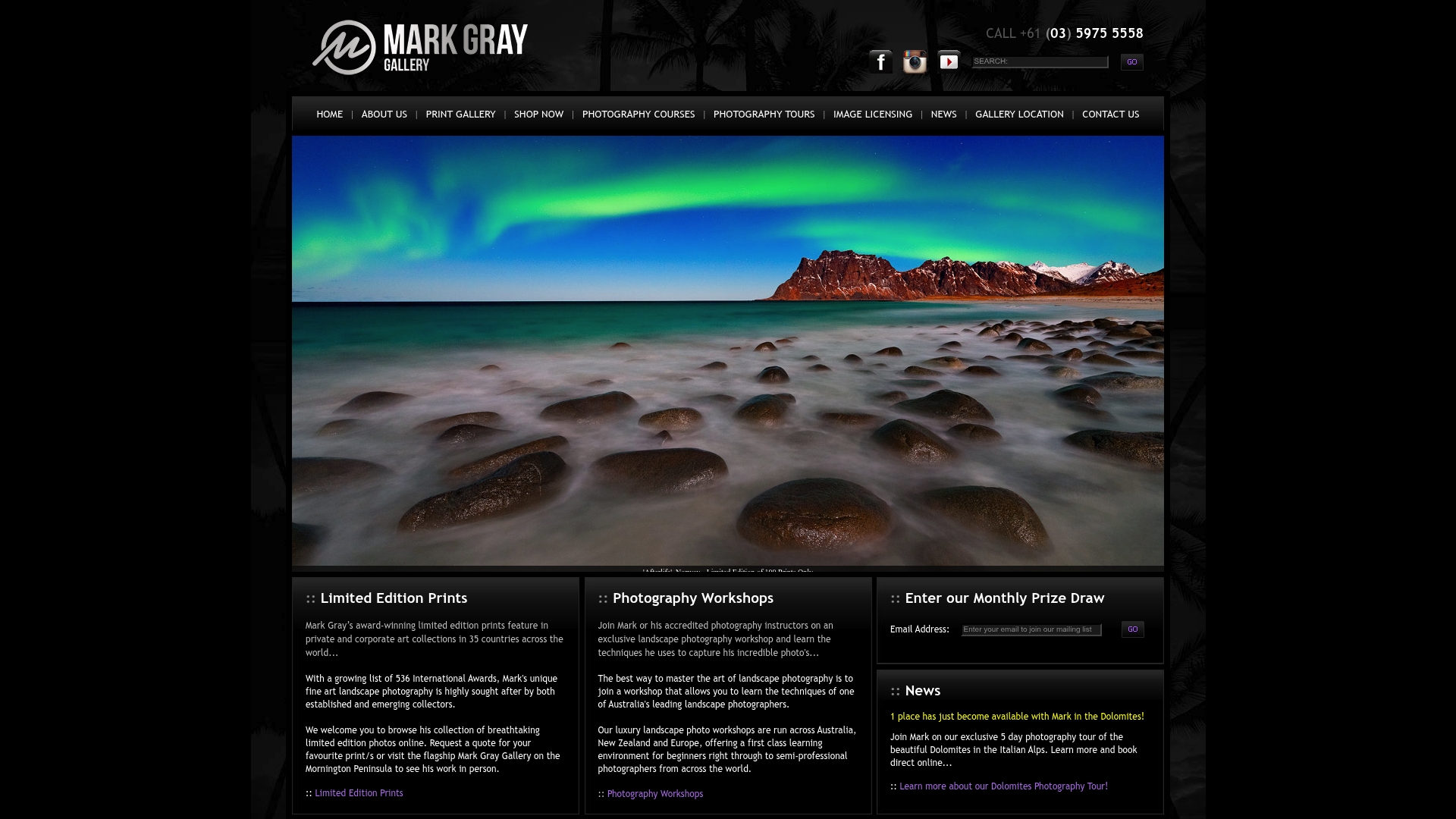
The Mark Gray Gallery offers a collection of premium limited edition landscape photography prints, available in archival quality for display in homes, offices, and galleries. Photography workshops and multi-day tour experiences are also available across Australia and worldwide, giving you the opportunity to develop your own eye under expert guidance. Whether you are seeking a statement print, a gift, or a hands-on learning experience, the gallery has something worth your attention.
FAQ
Why does professional photography produce better results than tourist photos?
Professional photography produces better results because of superior equipment, intentional composition, and expert lighting control. Professionals shape scenes before pressing the shutter rather than simply reacting to them.
Is professional photography worth it for a vacation or personal trip?
Professional photo sessions represent 5–12% of total vacation costs but are rated among the highest-value investments by participants. Most clients report lasting satisfaction with the images years after the trip.
What is the biggest quality difference in vacation photos taken by professionals versus tourists?
The biggest quality difference is consistency. Professional images maintain consistent color tone and exposure across an entire album, making them suitable for printing and long-term display. Smartphone images vary dramatically from shot to shot.
How do professional photographers avoid the same tourist clichés?
Professionals deliberately avoid the predictable angles where tourists cluster. Expert Dirk Petzold's Crowd Compression Effect explains how mass tourist presence collapses visual variety into a few repeated shots. Professionals seek unique perspectives that produce authentic, original images.
Can professional photos be used for more than personal memories?
Professional images are print-ready, licensable, and suitable for websites, branding, and large-format art prints. Websites using professional photography see measurably higher engagement and conversion rates compared to those using amateur images.