
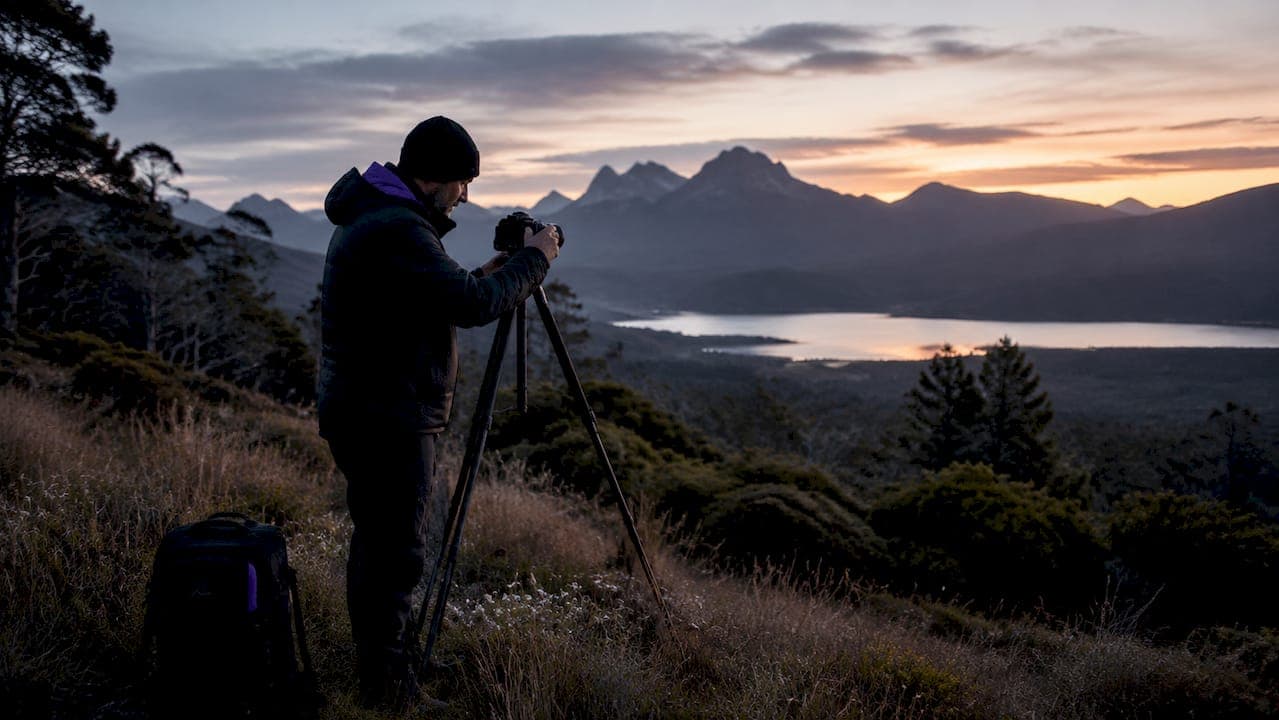
Tasmania wilderness landscape photography is defined as the practice of capturing the island's alpine terrain, ancient rainforests, and coastal formations using techniques adapted to its uniquely soft light, unpredictable weather, and ecologically sensitive environments. Few places on Earth reward a photographer's patience as generously as Tasmania. From the quartzite peaks of Cradle Mountain to the orange-lichen boulders of the Bay of Fires, the Tasmanian Wilderness World Heritage Area holds one of the world's largest temperate wilderness zones, with geological, ecological, and cultural significance that shows up in every frame. This guide covers the gear, settings, locations, timing, and ethical practices you need to bring home images that do this extraordinary place justice.
What makes photographing Tasmania wilderness landscapes unique?
Tasmania offers something rare: accessible scale and intimacy within the same shooting day. You can photograph sweeping alpine panoramas at Cradle Mountain in the morning and be crouching beside a wombat in button grass plains by afternoon. That range is what separates Tasmania from most wilderness destinations.
The light here is genuinely different. Tasmania's light is softer and more diffuse than on mainland Australia, particularly during autumn and winter. That quality reduces harsh shadows and extends the usable shooting window well beyond the standard golden hour. Experienced photographers often prefer the cooler months precisely because the atmosphere is more forgiving and more dramatic at the same time.
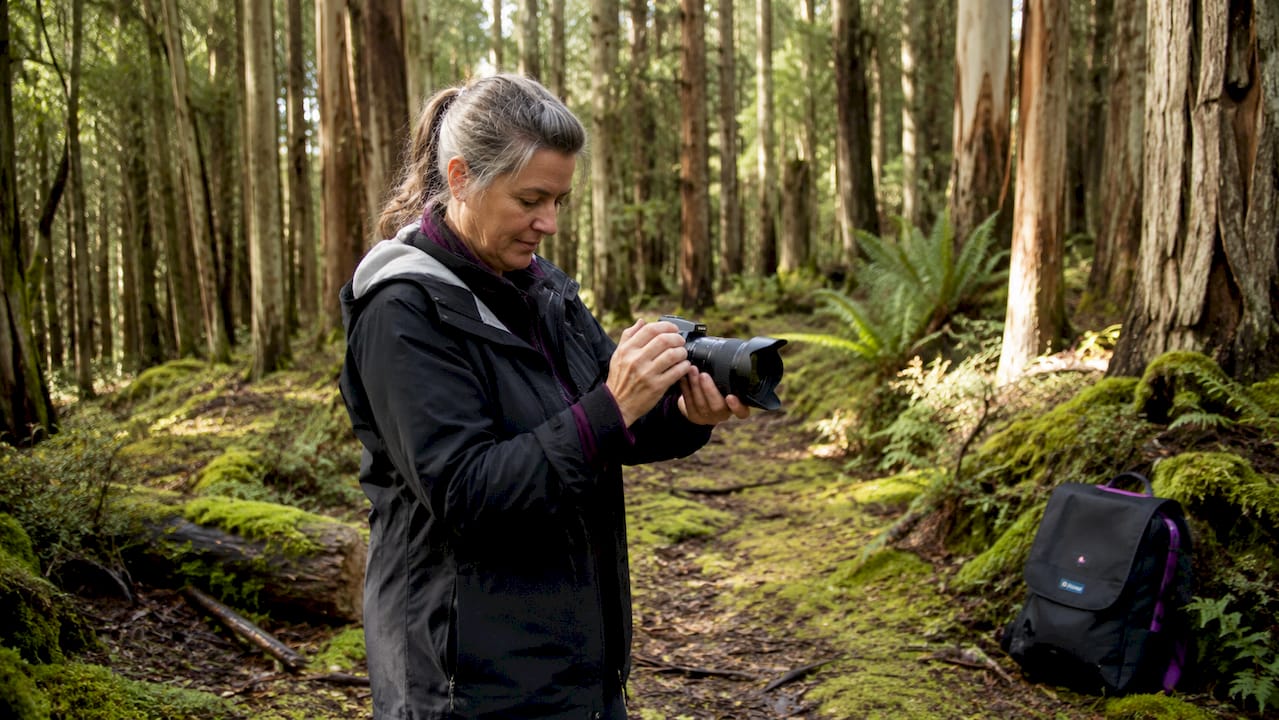
Environmental responsibility shapes every shoot in Tasmania's protected zones. Photographing World Heritage areas requires strict adherence to boardwalks and marked paths to protect fragile alpine flora and prevent soil compaction. Venturing beyond marked paths in areas like the Tarkine rainforest requires specific permits and advanced local knowledge. Respecting these rules is not optional. It is the foundation of ethical landscape photography in protected wilderness.
Seasonal conditions directly shape what you can capture:
- Autumn delivers golden fagus foliage across highland areas, creating warm contrast against gray quartzite rock.
- Winter brings thermal inversion mist that settles in valleys at sunrise, producing moody, layered compositions.
- Spring offers wildflower color and fast-moving cloud cover ideal for dramatic skies.
- Summer gives long daylight hours but harsher midday light that requires careful timing.
Pro Tip: Shoot autumn and winter for atmosphere. The soft, diffuse light and mist conditions in those seasons consistently produce more compelling images than the bright, flat light of a Tasmanian summer.
Essential gear and camera settings for Tasmania landscape photography
The right equipment makes a measurable difference when shooting Tasmania's diverse terrain. A wide-angle lens in the 16–24mm range handles alpine panoramas and rainforest interiors equally well. A sturdy tripod is non-negotiable for long exposures at coastal locations and waterfall scenes. Polarizing filters cut glare off wet rocks and deepen the blue of alpine lakes. Neutral density (ND) filters let you extend shutter speeds in bright conditions to smooth surf and flowing water.
Recommended gear checklist
- Wide-angle lens (16–24mm): captures the full sweep of Dove Lake and Cradle Mountain in a single frame.
- Tripod: required for blue hour reflections and any exposure longer than 1/30 second.
- Polarizing filter: reduces glare on wet granite at the Bay of Fires and enhances lichen color saturation.
- ND filter (6-stop or 10-stop): extends shutter speed for silky surf and waterfall effects.
- Weather-sealed camera body: Tasmania's weather changes fast. Rain protection is practical, not optional.
Camera settings by scene type
| Scene | Aperture | Shutter Speed | ISO |
|---|---|---|---|
| Alpine panorama (Cradle Mountain) | f/8–f/11 | 1/125s–1/250s | 100–200 |
| Coastal long exposure (Bay of Fires) | f/11 | 15s–30s | 100 |
| Rainforest waterfall (Mt Field) | f/8–f/11 | 1s–4s | 100 |
| Blue hour reflection (Dove Lake) | f/8 | 10s–25s | 200–400 |
Photographers use ND filters at f/11 for coastal shots specifically to smooth surf against the Bay of Fires' iconic orange-lichen granite. That combination of aperture and filtration preserves sharpness across the full frame while eliminating distracting wave movement.
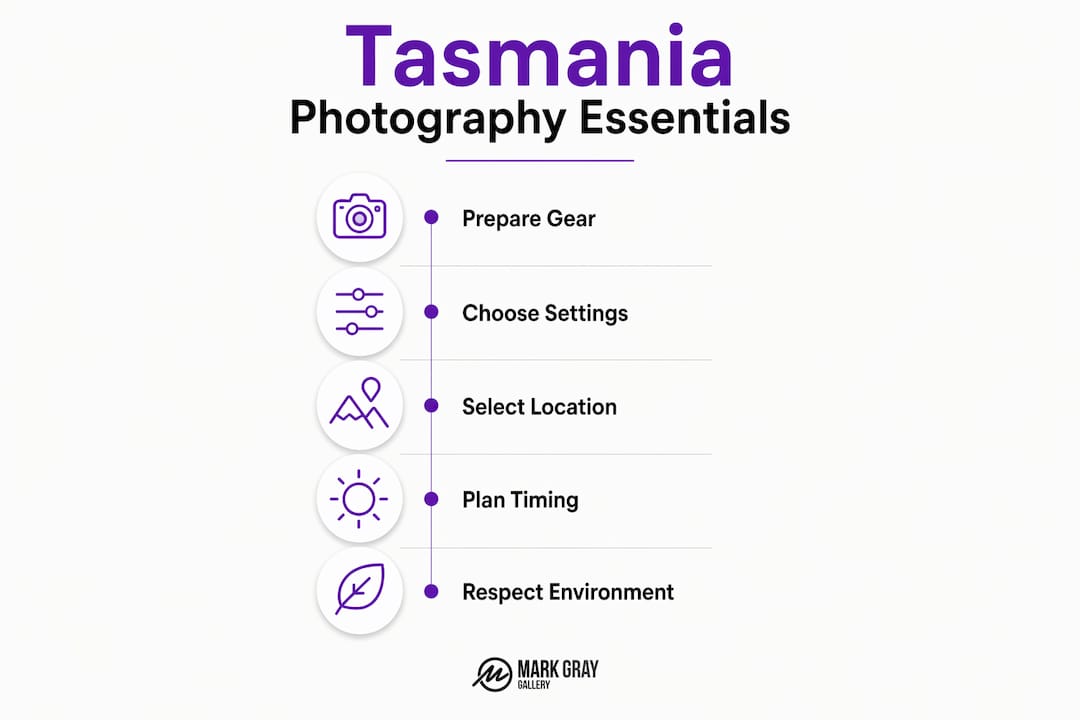
Rainforest scenes in the Tarkine demand a different mindset. Complex rainforest compositions reward selective focus and long exposures for flowing water rather than attempts at overall sharpness. Embrace the natural dampness and deep greens. Trying to make a rainforest look crisp and dry produces images that feel false. Understanding landscape photography techniques specific to dense environments will sharpen your instincts here considerably.
Pro Tip: Shoot RAW files in Tasmania without exception. The dynamic range between bright sky and shadowed forest floor is extreme, and RAW files give you the latitude to recover both in post-processing.
Best spots and timing for iconic Tasmania wilderness photography
Location selection and arrival time determine whether you come home with a good shot or a great one. Tasmania rewards photographers who plan with the same care they apply to their camera settings.
Cradle Mountain and Dove Lake stand as Tasmania's most photographed location for good reason. Arriving 30–45 minutes before sunrise at Dove Lake is the standard practice among serious landscape photographers. Calm pre-dawn water produces mirror reflections of the mountain. Once wind picks up after sunrise, those reflections disappear. The Boat Shed on the lake's western shore provides a foreground element that anchors wide compositions beautifully.
Bay of Fires performs best at golden hour and sunrise. The orange lichen on granite boulders saturates most intensely in warm, low-angle light. Midday sun flattens the color and creates harsh shadows between rocks. Arrive early, work the foreground carefully, and use a polarizing filter to manage glare from wet surfaces.
- Mt Field National Park: Russell Falls and Horseshoe Falls reward long exposure work. The forest canopy filters light evenly, making midday shooting viable here when it fails elsewhere.
- Styx Valley: Home to some of the tallest flowering trees on Earth, the giant swamp gums here require wide-angle framing and a low shooting position to convey true scale.
- Tarkine rainforest: Overcast days are ideal. Flat light eliminates blown highlights and reveals the full tonal range of moss, fern, and dark timber.
Seasonal timing is not just about aesthetics. Autumn and winter offer more reliable atmospheric conditions than summer, including thermal inversion mist and golden foliage that experienced photographers actively seek out. Understanding how seasons change landscape photography will help you plan your Tasmania trip around conditions rather than calendar convenience.
Pro Tip: Scout your location the afternoon before your sunrise shoot. Walk the shoreline, identify your foreground, and confirm your composition in daylight. Stumbling around in the dark costs you the best light.
How do photography workshops improve your Tasmania results?
Guided workshops accelerate skill development in ways that solo shooting simply cannot match. Small group workshops capped at 6 participants provide personalized coaching on composition, lighting, and RAW processing while giving access to remote sites that require permits. The small group format means your guide can watch your technique in real time and correct problems before they become habits.
The Mt Field and Styx Valley Photography Tour combines expert guidance with visits to waterfalls and the tallest eucalyptus trees in the world. It suits both novices and experienced photographers, balancing structured instruction with free shooting time. Hotel pickup, transport, and access logistics are handled, so your attention stays on the photography.
The 3-day Cradle Mountain Photography Workshop includes early morning shoots, multi-day expert coaching, and opportunities to photograph alpine forests and rare wildlife including the Tasmanian Devil. Multi-day immersion leverages optimal conditions across multiple mornings and evenings. A single-day visit to Cradle Mountain is often a compromise. Three days gives you the weather flexibility to wait for the conditions that produce exceptional images.
Key advantages of guided Tasmania photography tours:
- Access to remote and permit-restricted locations without the logistics burden.
- Real-time feedback on composition and camera settings in the field.
- Expert knowledge of seasonal conditions, local weather patterns, and hidden vantage points.
- Structured learning balanced with personal creative time.
Exploring photography workshops in regional Australia gives you a broader picture of what structured learning looks like across different environments, including Tasmania.
Key Takeaways
Photographing Tasmania wilderness landscapes demands early arrivals, seasonal planning, and strict environmental respect to produce images that match the location's extraordinary character.
| Point | Details |
|---|---|
| Arrive before sunrise | Reach Dove Lake 30–45 minutes early to capture calm reflections before wind breaks the surface. |
| Shoot autumn and winter | Thermal mist, golden foliage, and soft diffuse light make cooler months the preferred seasons for serious photographers. |
| Use ND and polarizing filters | ND filters extend shutter speed for smooth surf; polarizing filters saturate lichen color and cut glare at coastal locations. |
| Respect path restrictions | Stick to boardwalks in World Heritage areas to protect fragile flora and avoid permit violations. |
| Consider guided workshops | Small group tours with capped enrollment provide permit access, expert coaching, and real-time technique feedback. |
What Tasmania taught me about patience and place
Tasmania changed how I think about preparation. I used to believe that great landscape photography was mostly about being in the right place. Tasmania proved that timing and patience matter more than location alone. I have stood at Dove Lake in flat, gray light and walked away with nothing worth keeping. I have also arrived at the same spot on a winter morning with thermal mist rolling across the water and come home with images I still consider among my best work.
The ethical dimension of shooting in World Heritage wilderness is something I feel strongly about. The Tarkine in particular is a place where the wrong footstep genuinely damages something that took centuries to grow. Staying on the path is not a bureaucratic inconvenience. It is the price of admission to one of the most photographically rewarding environments on the planet.
The diversity Tasmania offers within a single trip still surprises me. Grand alpine vistas, intimate rainforest details, dramatic coastlines, and rare wildlife encounters are all within reach. That range rewards photographers who stay curious and keep moving rather than camping at one iconic spot for the entire trip. The benefits of guided photography tours become obvious the moment a guide takes you somewhere you would never have found on your own.
— Mark
Mark Gray's Tasmania photography resources and workshops
Mark Gray is an award-winning Australian landscape photographer whose work spans Tasmania, Iceland, French Polynesia, and beyond. His workshops bring that depth of experience directly to photographers who want to improve their craft in the field.
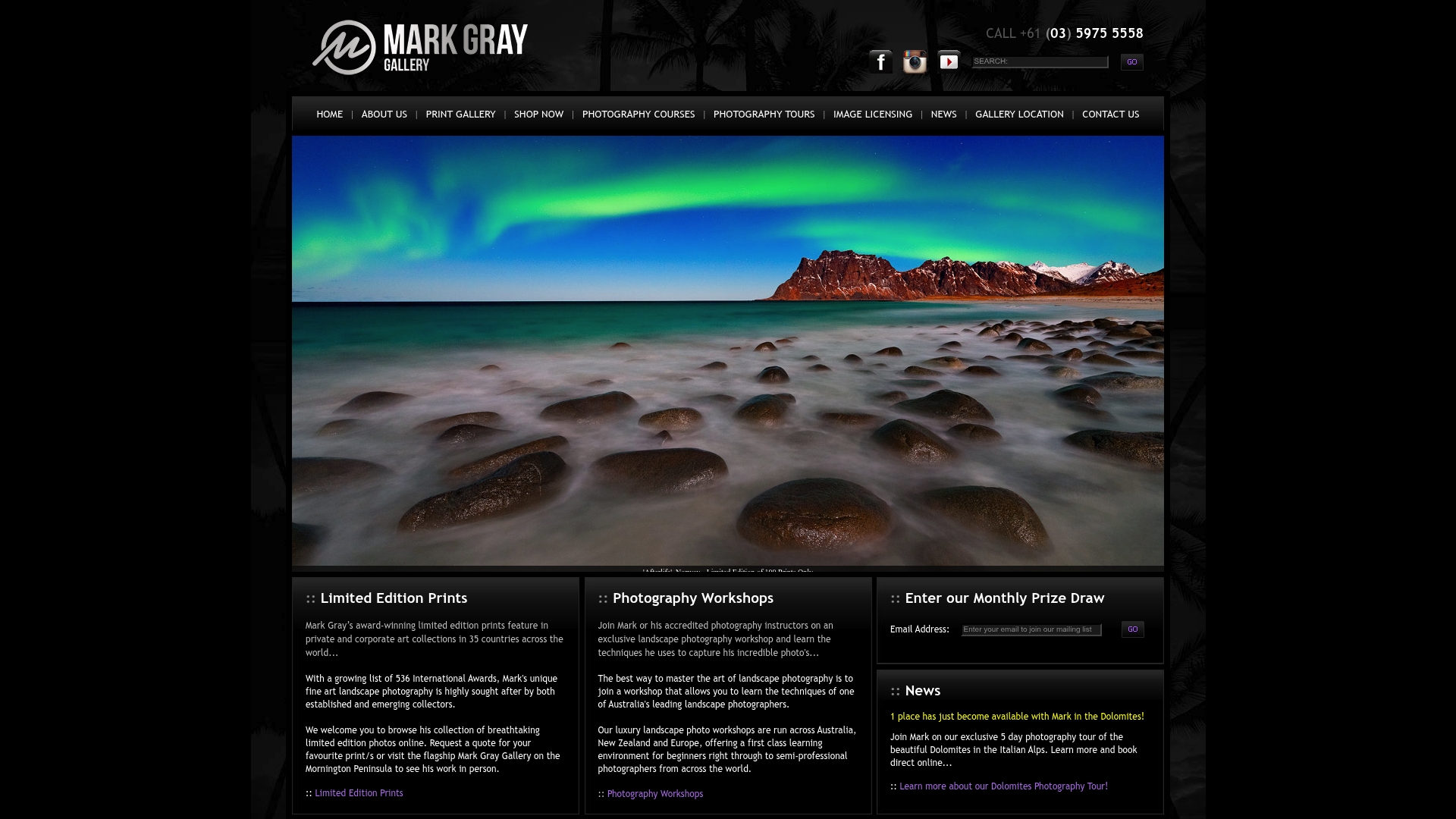
Whether you are planning your first trip to Cradle Mountain or looking to refine your long exposure technique at the Bay of Fires, the Mark Gray Gallery offers workshop tours, limited edition prints, and expert resources built specifically for serious landscape photographers. Workshops run across Australia and internationally, with small group sizes that guarantee personal attention. The gallery also features Tasmania landscape photography prints available as limited edition works, giving you a reference point for the standard worth pursuing.
FAQ
What is the best time of year for Tasmania landscape photography?
Autumn and winter deliver the most atmospheric conditions, including thermal inversion mist and golden fagus foliage. Experienced photographers consistently favor these seasons over summer for their softer, more dramatic light.
What camera settings work best at Dove Lake, Cradle Mountain?
Shoot at f/8 to f/11 with a shutter speed of 10–25 seconds during blue hour, using ISO 200–400 and a tripod. Arrive 30–45 minutes before sunrise to capture calm water reflections before wind disrupts the surface.
Do I need permits to photograph in Tasmania's wilderness areas?
Photographing from boardwalks and marked paths in World Heritage areas requires no special permit. Venturing beyond marked paths in areas like the Tarkine requires specific permits and advanced local knowledge.
What gear is non-negotiable for wilderness photography in Tasmania?
A sturdy tripod, polarizing filter, and ND filter are the three items that most directly affect image quality in Tasmania's coastal and alpine environments. A weather-sealed camera body is strongly advised given the island's unpredictable conditions.
Are photography workshops in Tasmania suitable for beginners?
Tours like the Mt Field and Styx Valley Photography Tour are designed for both novices and experienced photographers. Small group sizes of up to 6 participants allow guides to tailor instruction to each photographer's current skill level.